

Introduction
The art of creating charcuterie boards has gained immense popularity, transforming casual gatherings into extraordinary culinary experiences. These boards, filled with a medley of meats, cheeses, fruits, and dips, not only tantalize the taste buds but also serve as stunning centerpieces. The beauty of charcuterie boards lies in their versatility, as they can be tailored to fit any occasion, whether it’s a casual get-together, a festive party, or a family brunch.
Imagine inviting friends over, only to present them with a vibrant display of flavors and colors that sparks conversations and ignites appetites. With the right combination of ingredients, your charcuterie board can become the focal point of your gathering, impressing guests without straining your budget. This article explores nine budget-friendly charcuterie board designs that will not only meet your guests’ expectations but also elevate your hosting game without breaking the bank.
Recipe Overview
Charcuterie boards are versatile and customizable, allowing for various themes and flavors. This overview introduces you to diverse options to cater to different tastes and occasions. Here’s a quick glance at what you can expect:
– Total Time: 20 minutes
– Servings: 6-8
– Difficulty: Not specified in the recipe
Each board is designed with accessibility in mind, ensuring that creating your own masterpiece can be both approachable and enjoyable. With simple ingredients, you’ll discover that hosting can be as effortless as assembling delightful combinations for everyone to share.
Ingredients
The selection of ingredients is pivotal to crafting an exquisite charcuterie board. Below are detailed lists of what you’ll need for each of the nine boards.
Classic Cheese & Meat Board
– Varieties of cheese: Cheddar, Brie, Gouda
– Types of cured meats: Salami, Prosciutto
– Accompaniments: Assorted crackers, Fresh grapes, or sliced apples
– Nuts: A mix of nuts
Mediterranean Delight Board
– Main ingredients: Creamy feta cheese, Smooth hummus
– Crunchy elements: Pita chips
– Fresh additions: Green and black olives, Juicy cherry tomatoes, Crisp cucumber slices
Sweet & Savory Board
– Creamy component: Soft cream cheese
– Sweet drizzles: Honey or fig jam
– Selection of dried fruits: Apricots, Figs
– Fresh fruits: A selection of berries
– Indulgent touch: Dark chocolate squares
Vegetable Lovers Board
– Variety of vegetables: Carrots, Bell peppers, Cucumbers, Cherry tomatoes
– Dips: Creamy ranch or refreshing tzatziki dip
– Cubes of cheese: Cheddar, Pepper jack
Breakfast Board
– Main items: Assorted bagels
– Creamy spread: Cream cheese (plain and flavored)
– Delicate toppings: Smoked salmon, Tangy capers, Sliced red onion
Tex-Mex Fiesta Board
– Creamy dips: Guacamole
– Fresh salsa
– Crunchy snack: Tortilla chips
– Cheese cubes: Pepper jack, Cheddar
– Spicy additions: Sliced jalapeños
Italian Antipasto Board
– Marinated vegetables: Artichoke hearts, Roasted red peppers
– Cured meats: Salami, Prosciutto
– Cheese: Mozzarella balls
– Accompaniments: Slices of baguette
Nutty & Fruity Board
– Mixed nuts: Almonds, Walnuts
– Fresh scoops: Sliced apples, Pears
– Cheese: Creamy brie
– Sweet enhancement: Drizzle of honey
Kids’ Fun Board
– Mini sandwiches (ham and cheese, peanut butter and jelly)
– Fruit skewers (grapes, strawberries, melon)
– Cheese sticks
– Crunchy pretzels

Instructions
1. Choose Your Board: Begin by selecting a large wooden board or an attractive platter to serve as your canvas for assembling the charcuterie board.
2. Arrange the Main Ingredients: Begin by clustering the main components, such as the cheeses and meats, around the board to create a visually balanced display.
3. Incorporate Dips and Spreads: Strategically place small bowls filled with dips (like hummus, guacamole, or your favorite spreads) on the board for easy access and a pop of color.
4. Fill in the Spaces: Use assorted crackers, chips, and pieces of bread to fill any empty spaces, enhancing the overall aesthetic and inviting guests to dig in.
5. Add Fresh Touches: Scatter fruits and vegetables throughout the board to add vibrant colors and a refreshing element.
6. Final Flourishes: For an elegant touch, garnish with fresh herbs or edible flowers and consider drizzling honey or balsamic reduction over select ingredients for added flair.
7. Serve and Savor: Present your beautifully arranged charcuterie board to your guests, inviting them to enjoy the diverse flavors and textures available!
While creating a charcuterie board primarily involves arranging various ingredients, the presentation is equally important. Opting for colorful plates or bowls for dips makes the display more eye-catching. Arranging items in a rainbow pattern not only adds to the visual appeal but also ensures that flavors complement each other harmoniously, inviting guests to indulge in the feast laid out before them.
As you dive into the world of charcuterie boards, remember that the key lies in the fresh selection of ingredients, the balance of flavors, and the joy of sharing a delightful experience with others. Each board makes for a unique culinary journey, whether you prefer classic pairings or adventurous picks.
Stay tuned for the next part of this article where we will dive deeper into creative variations and explore serving suggestions that can further enhance your charcuterie board experience.
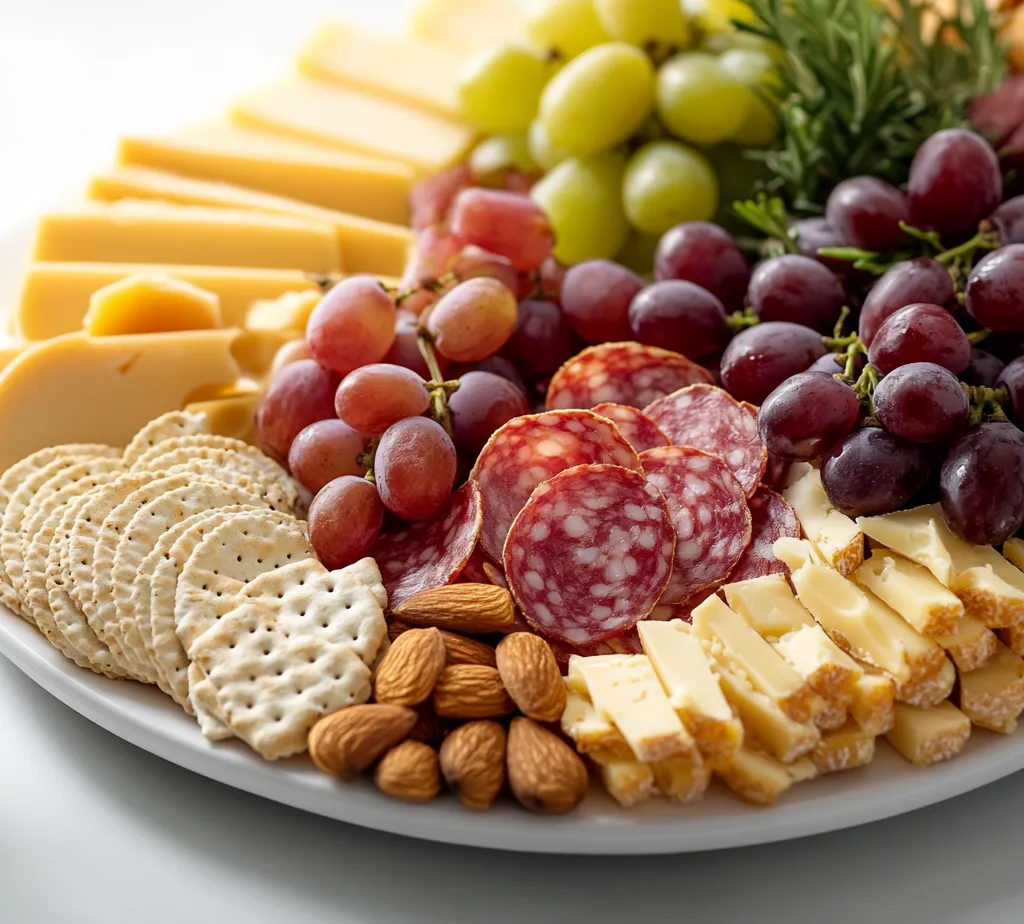
Choosing Your Board
Selecting the Right Board
The foundation of any charcuterie board is, of course, the board itself. Opt for a large wooden board or an attractive platter with plenty of space to accommodate the various elements. Wooden boards are not only aesthetically pleasing but also promote a rustic feel that complements the natural elements of the food. Consider materials like bamboo, acacia, or walnut for their durability and visual appeal.
Size and Shape Considerations
The size and shape of your board can significantly impact the overall layout. A longer, rectangular board allows for a traditional presentation, while a round or square board can create a more modern look. Ensure the board is large enough to hold all the selected ingredients without overcrowding. This consideration will provide ample room for guests to access the items without feeling cramped.
Personalization Elements
To truly make the board your own, consider personalizing it to reflect your style or the theme of your gathering. This personalization can include engraving the board with your initials or using decorative elements that match the occasion, such as seasonal decorations or colors associated with a holiday.
Arranging the Main Ingredients
Clustering Main Components
Visual clustering of the main components, such as the cheeses and cured meats, creates a harmonious look on the board. First, group similar items together; for instance, place cheeses in one area and cured meats in another. This arrangement draws the eye and allows guests to explore the flavors in a logical manner. Use the shapes of the pieces, such as cubes and slices, to add interest to the clusters.
Color and Texture Variation
Utilize color and texture contrasts to enhance the visual appeal of the arrangement. Varying textures—like soft cheeses next to crunchy nuts and meats—invites guests to explore the board. Place the cheeses, meats, and crackers in varying colors, with rich yellows, whites, and browns radiating against vibrant greens and reds of vegetables and fruits.
Strategic Placement Tips
For optimal arrangement, consider placing the largest items first, as they will serve as focal points. Then, fill in around these primary items with smaller components, allowing the arrangement to flow naturally. Position the items in a way that encourages mingling; for instance, avoid blocking access to certain elements with larger ingredients.
Incorporating Dips and Spreads
Choosing the Right Dips
Selecting appropriate dips is crucial for complementing the main ingredients on your charcuterie board. Dips like hummus, guacamole, or tzatziki work well alongside cheese and meats, providing creamy textures that contrast with the crunchiness of crackers and vegetables. Additionally, sweet options like fig jam or honey can enhance the experience when paired with certain cheeses.
Bowl Placement Strategies
When placing dips, keep accessibility in mind. Position small bowls with dips across the board rather than in one concentrated area. This approach encourages guests to explore different combinations without feeling restricted. Aim for an airy arrangement that invites them to graze freely.
Colorful Accents
Utilizing different colors and textures in bowl selection can serve as a visual feast. Choose bowls in contrasting colors to the board itself or go with glass to showcase the beautiful dips within. This not only highlights the dips but also adds an upgrade to the overall aesthetic appeal of the presentation.
Filling in the Spaces
Using Crackers and Chips
To meld the various components of your charcuterie board, use assorted crackers and chips to fill gaps and enhance the experience. Consider placing a variety of textures, such as crunchy crackers, salty chips, and thin baguette slices, to keep guests interested. Ensure that these snacks are visually appealing, perhaps by selecting colorful or artisan options.
Bread Selection
Incorporate a selection of breads that enhance the flavor profile of the board. Options like sliced baguette, hearty sourdough, or crispy breadsticks can be suitable additions. The bread’s texture should complement the dips and spreads, providing a vehicle for guests to indulge in the different flavors.
Enhancing Aesthetics
The inclusion of these fillers not only adds flavor but also enhances visual intrigue. Crackers and breads can be arranged in fanned out patterns or stacked neatly for an organized look. Filling gaps prevents a sparse appearance and increases the overall inviting nature of the board.
Adding Fresh Touches
Incorporating Fruits and Vegetables
Distributing fresh fruits and vegetables liberally throughout the board creates not only a pop of color but also introduces fresh flavors that balance the richness of cheeses and cured meats. Use options like grapes, cherries, cucumber slices, and cherry tomatoes, which can be easily grabbed and enjoyed.
Seasonal Variations
Consider implementing seasonal variations of fresh produce. In fall, for example, apples and pears can enhance the board, while summer favorites like peaches and berries can be ideal during warmer months. These seasonal touches make the board not only colorful but also reflective of the current harvest.
Visual Impact of Fresh Ingredients
The vibrant colors of fresh ingredients add a striking visual appeal to your board. Promote balance through visual contrast—bright oranges, greens, and reds against the rustic browns and creams of cheeses and meats. Fresh items can be strategically placed to create an eye-catching arrangement that entices guests to partake.
Final Flourishes
Garnishing Techniques
Garnishing provides the finishing touches that elevate your board from simple to extraordinary. Adding sprigs of fresh herbs like rosemary, thyme, or basil can enhance flavor and aroma while contributing to the visual appeal. Edible flowers are another option that can introduce a whimsical touch, especially for seasonal boards celebrating spring or summer.
Drizzling Enhancements
Final flourishes like drizzling honey, balsamic reduction, or infused oils add an elegant touch. Consider highlighting select cheeses or fruits with these ingredients, creating a gleaming finish that invites tasting. The drizzles can not only enrich flavors but also add a gourmet appearance to the board.
Optional Touches
Personalized flair can be achieved through a variety of embellishments. Consider including unique elements such as artisanal salts sprinkled on certain items or themed decorative garnishes that align with holidays or occasions. These final touches not only reflect your creativity but also leave an impression on your guests.
In conclusion, crafting a visually stunning and delicious charcuterie board involves thoughtful consideration in choosing the right board, arranging the ingredients aesthetically, and using dips and fresh elements strategically. Each step contributes to the overall experience, making it a delightful centerpiece for any gathering. The time spent preparing your charcuterie board enhances the enjoyment for your guests with diverse flavors and textures, all while showcasing your style.
Budget-Friendly Charcuterie Boards to Dazzle Your Guests
Ingredients
- 3 varieties cheese cheddar, brie, gouda
- 2 types cured meats salami, prosciutto
- assorted crackers
- fresh grapes or sliced apples
- a mix of nuts
- 1 cup creamy feta cheese
- 1 cup smooth hummus
- crunchy pita chips
- a mix of green and black olives
- juicy cherry tomatoes
- crisp cucumber slices
- 1 cup soft cream cheese
- ¼ cup honey or fig jam
- dried fruits apricots, figs
- fresh berries
- dark chocolate squares
- raw vegetables carrots, bell peppers, cucumbers, cherry tomatoes
- creamy ranch or tzatziki dip
- cubes of cheese cheddar, pepper jack
- assorted bagels
- cream cheese plain and flavored
- smoked salmon
- capers
- sliced red onion
- guacamole
- fresh salsa
- tortilla chips
- cheese cubes pepper jack, cheddar
- sliced jalapeños
- marinated artichoke hearts
- roasted red peppers
- mozzarella balls
- slices of baguette
- almonds and walnuts
- sliced apples and pears
- creamy brie cheese
- ¼ cup honey
- mini sandwiches ham and cheese, peanut butter and jelly
- fruit skewers grapes, strawberries, melon
- cheese sticks
- crunchy pretzels
Instructions
- Choose a large wooden board or an attractive platter for assembling the charcuterie board.
- Cluster the main components, such as cheeses and meats, around the board for a balanced display.
- Place small bowls filled with dips on the board for easy access and color.
- Fill empty spaces with assorted crackers, chips, and pieces of bread.
- Scatter fruits and vegetables throughout the board for vibrant colors.
- Garnish with fresh herbs or edible flowers, and drizzle honey or balsamic reduction for flair.
- Present the beautifully arranged charcuterie board to your guests.