
Introduction
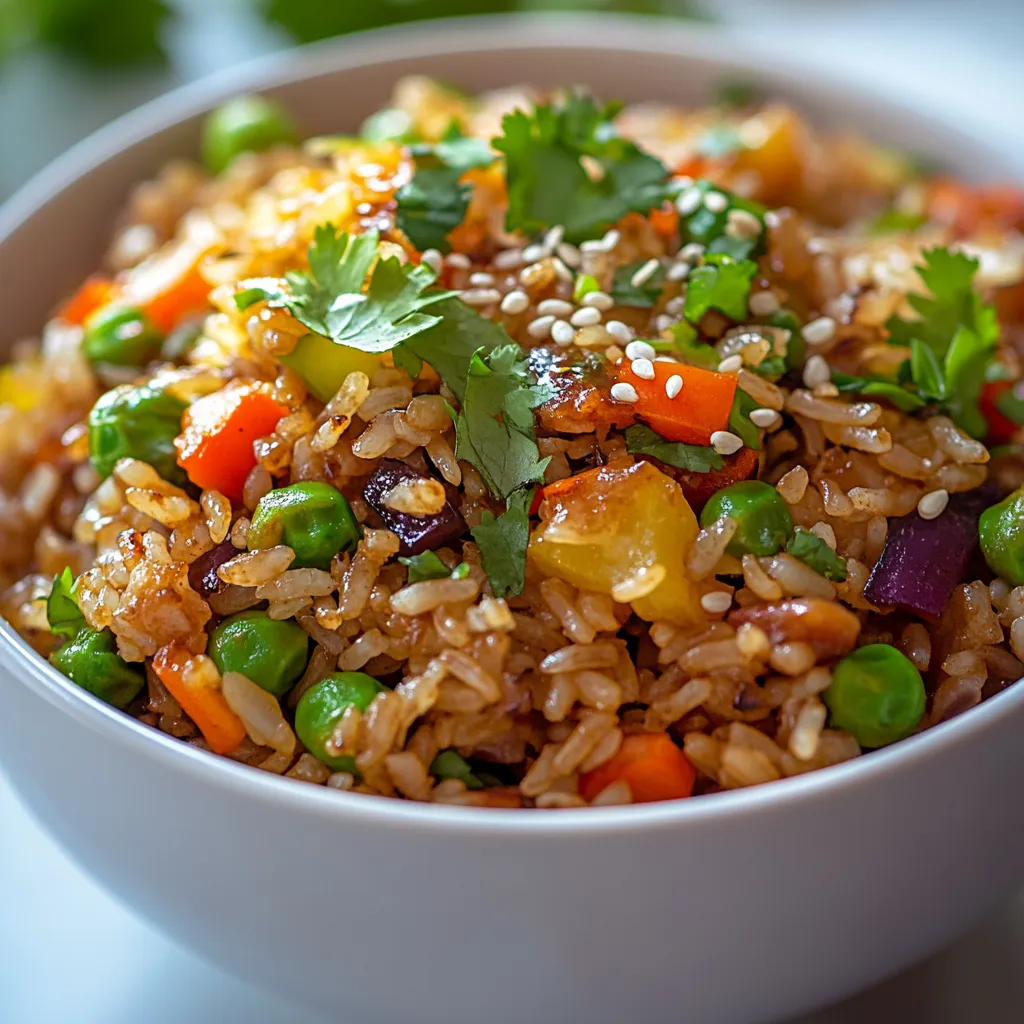
Understanding the allure of Japanese cuisine, BBQ Fried Rice presents a delightful fusion of flavors and textures that captivates the palate. This dish masterfully combines cooked jasmine rice with a vibrant medley of mixed vegetables, aromatic spices, and optional protein, creating a satisfying meal that is both quick and easy to prepare. Fried rice holds a special place in many Asian cultures, often arising as a remedy for leftover ingredients, thus promoting creativity in the kitchen.
Japanese BBQ Fried Rice is particularly appealing for those busy weeknights when time is of the essence, yet comfort food still calls. The use of day-old rice ensures not only superior texture but also a delightful bite in every morsel, making it a go-to recipe for many households. With the savory notes of soy and teriyaki sauce enveloped around perfectly sautéed vegetables and proteins, this dish is sure to please a crowd, making it suitable for family dinners or casual gatherings.
Recipe Overview
– Total Time: 20 minutes
– Prep Time: 10 minutes
– Servings: 4
– Difficulty: Not specified in the recipe
Ingredients
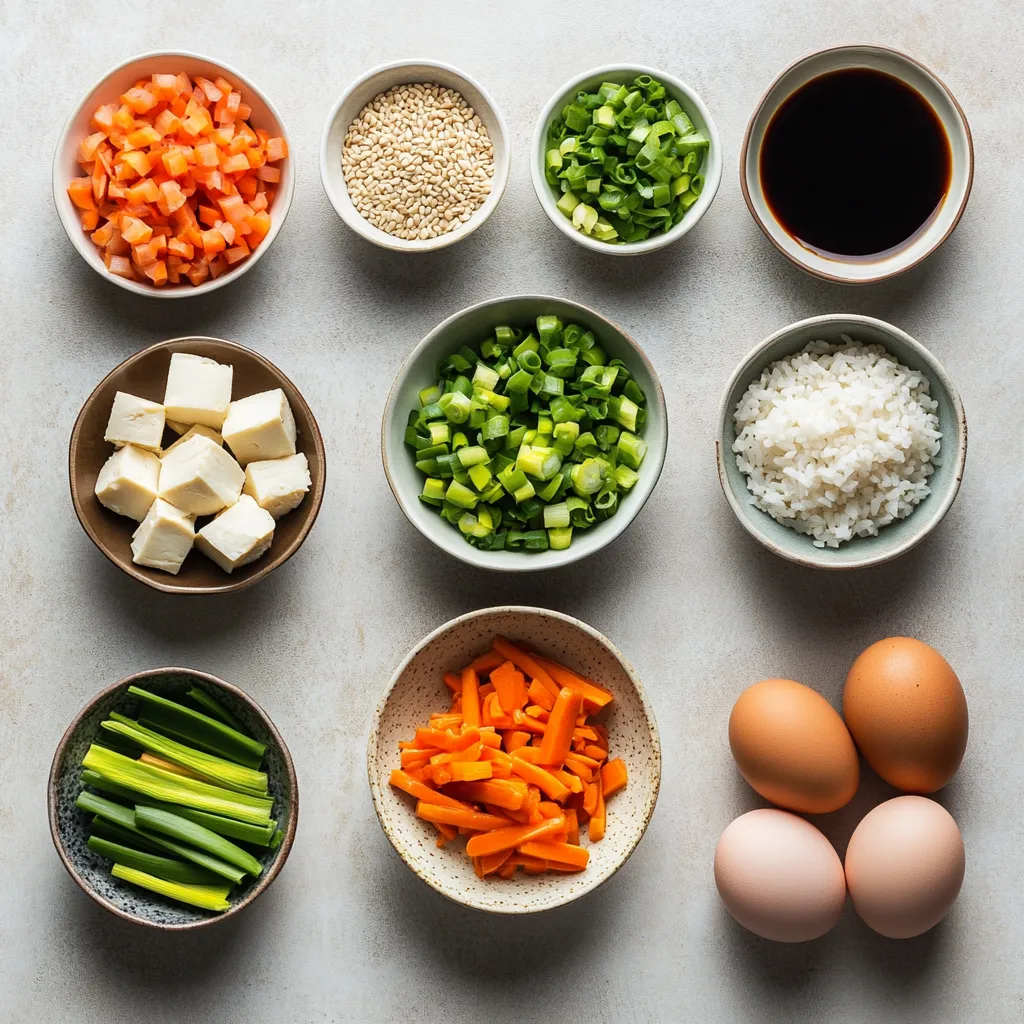
– 3 cups cooked jasmine rice (preferably day-old for best texture)
– 1 cup mixed vegetables (such as diced carrots, peas, and corn)
– 1/2 cup green onions, finely chopped
– 2 large eggs
– 3 tablespoons soy sauce
– 2 tablespoons teriyaki sauce
– 1 tablespoon sesame oil
– 1 tablespoon vegetable oil
– 1 teaspoon garlic, minced
– 1 teaspoon ginger, minced
– 1/2 cup cooked and shredded chicken, beef, or tofu (optional)
– Sesame seeds for garnish
– Fresh cilantro for garnish (optional)
Instructions
1. Prepare Your Ingredients: If using day-old rice, break apart any clumps to ensure a fluffy texture. Chop the green onions and prepare your choice of protein (if using).
2. Heat the Wok: In a large wok or skillet, heat 1 tablespoon of vegetable oil over medium-high heat. Once the oil is shimmering, add the minced garlic and ginger. Sauté for approximately 30 seconds, or until fragrant and golden.
3. Scramble the Eggs: Push the garlic and ginger to one side of the wok. Crack the eggs into the center and scramble them until fully cooked. Once done, mix the eggs with the garlic and ginger.
4. Add the Vegetables: Stir in the mixed vegetables and continue to stir-fry for about 2-3 minutes until they are tender yet retain a slight crunch.
5. Incorporate the Rice: Add the cooked jasmine rice to the wok, breaking up any remaining clumps. Stir everything together thoroughly until the rice is heated through and well combined with the vegetables.
6. Season the Rice: Drizzle the soy sauce, teriyaki sauce, and sesame oil over the rice mixture. Stir well to ensure that all ingredients are evenly coated with the sauces.
7. Add Your Protein: If you’re using protein, add the cooked and shredded chicken, beef, or tofu to the wok. Stir-fry for an additional 2-3 minutes, allowing everything to heat through.
8. Finish with Green Onions: Toss in the chopped green onions and stir for another minute. Taste the fried rice and adjust the seasoning, adding more soy sauce if desired.
9. Serve: Remove the stir-fried rice from the heat and serve hot. Garnish with a sprinkle of sesame seeds and fresh cilantro if you like.
Cooked Jasmine Rice
The cornerstone of this flavorful dish is the jasmine rice. Using day-old rice is highly recommended as it offers a firmer texture that holds up well during cooking, preventing the dish from becoming mushy. Freshly cooked rice can also be used, but it may require more careful handling to avoid clumping. If jasmine rice is unavailable, other long-grain rice varieties like basmati could be used, though they may impart a slightly different flavor. The fluffy grains and subtle floral notes of jasmine rice complement the other ingredients beautifully, making it the ideal base for this fried rice recipe.
Mixed Vegetables
To achieve a colorful and nutritious fried rice, a mix of diced carrots, peas, and corn provides both visual appeal and essential vitamins. These vegetables are rich in fiber and antioxidants, making the dish not only tasty but also healthier. Carrots, with their sweet crunch, add a delightful texture to the fried rice, while peas contribute a burst of sweetness. Corn brings its natural sweetness and vibrant color to the mix. Options for mixed vegetables are versatile; you can add bell peppers, broccoli, or snap peas based on personal preference and seasonal availability. Including a variety of vegetables enhances the nutritional profile, ensuring that every bite of fried rice is loaded with flavor and health benefits.
Aromatics
Aromatic ingredients, especially green onions, garlic, and ginger, play a crucial role in elevating the flavors of the fried rice. Green onions, known for their mild onion flavor, enhance the dish as both an ingredient and a garnish, adding freshness and a subtle bite. Minced garlic and ginger, sautéed until fragrant, create a savory base that infuses the entire dish with warmth and depth. Their aromatic qualities not only enhance the flavor but also offer health benefits, as garlic and ginger are known for their immune-boosting properties. When cooking, it’s important to sauté these ingredients until they are golden and fragrant, as this stage releases their essential oils, resulting in a more flavorful dish.
Eggs
Eggs serve both as a source of protein and as a texture enhancer in this fried rice. When scrambled and mixed with the other ingredients, they provide a creamy richness that complements the rice and vegetables. To achieve fluffy scrambled eggs, it’s crucial to avoid overcooking them; they should be cooked just until set, then combined with the garlic and ginger before adding other ingredients. This technique ensures that the eggs remain moist and delicious, enriching the overall texture of the dish. In addition to boosting the protein content, eggs add an appealing golden hue, making the dish more visually appealing and appetizing.
Sauces and Oils
The flavorful backbone of Japanese BBQ Fried Rice comes from the combination of soy sauce, teriyaki sauce, and sesame oil. Soy sauce adds umami depth, while teriyaki sauce introduces a sweet and tangy note that enhances the overall flavor profile. Sesame oil, often found in Asian cuisines, brings a nutty aroma and richness that complements the other sauces beautifully. It’s essential to add these sauces evenly throughout the dish, allowing them to coat every ingredient and create a harmonious balance of flavors. The timing of adding the sauces matters; they should be incorporated after the vegetables and rice have been stir-fried to ensure that their flavors are evenly distributed without losing their essence through overcooking.
Protein Options
While the fried rice can be enjoyed as a standalone dish, the option to add protein like cooked shredded chicken, beef, or tofu turns it into a more substantial meal. Chicken is a popular choice due to its versatility and ability to absorb surrounding flavors, providing a hearty addition. Beef offers a richer taste, while tofu caters to those seeking a plant-based option, making this dish adaptable for various dietary preferences. When incorporating protein, it should be added after the vegetables have been cooked, allowing it to heat through without overcooking. This flexibility makes BBQ Fried Rice suitable for many occasions, whether you’re prepping a weekday dinner or hosting a casual weekend gathering.
Role of sesame oil in enhancing flavors
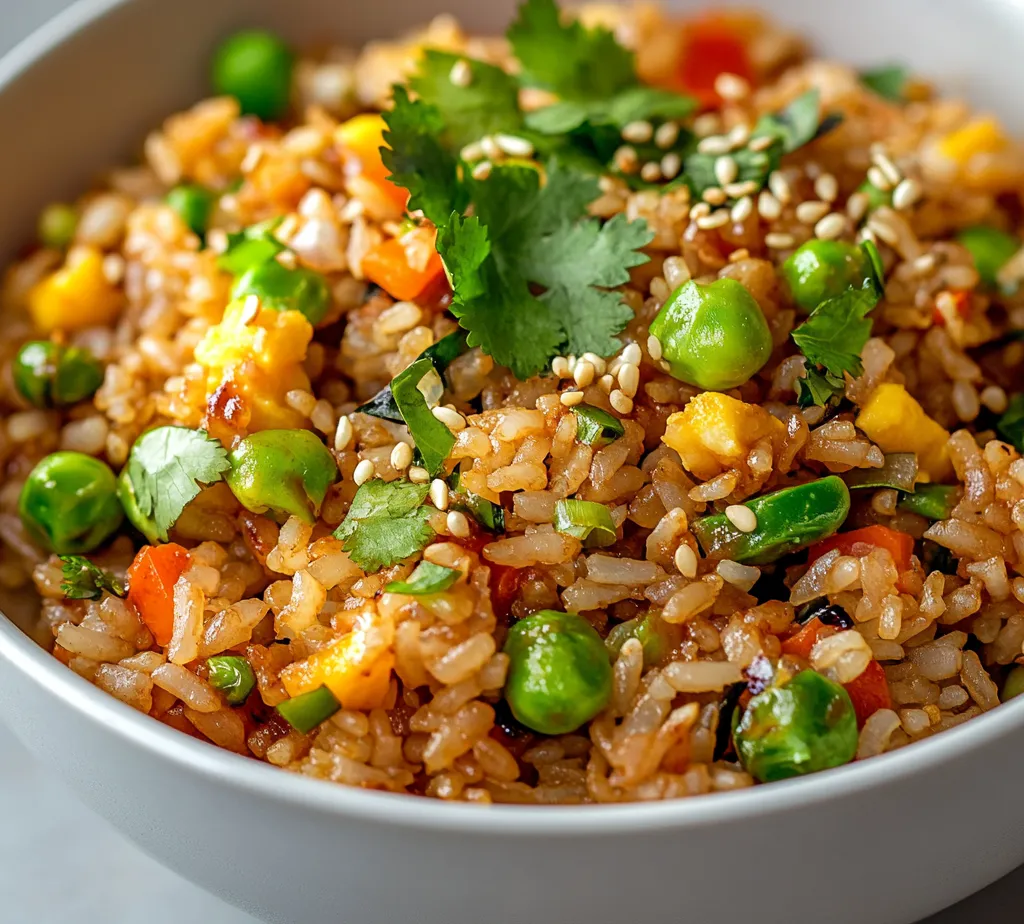
Sesame oil plays an essential role in the overall flavor profile of Japanese BBQ Fried Rice. Known for its nutty aroma and rich taste, sesame oil enhances the umami character of the dish, providing depth and complexity. When added at the end of cooking, it retains its aromatic qualities, contrasting with the savory notes of soy and teriyaki sauces. This finishing touch not only enriches the taste but can also add a glossy sheen to the rice, making it visually appealing.
Adding Protein
Proper methods for stirring in proteins are crucial when making fried rice. If you’ve chosen to include cooked and shredded chicken, beef, or tofu, make sure that the protein is heated thoroughly before serving. To achieve this, add the protein to the wok after incorporating the rice. Stir it gently yet thoroughly into the mix, ensuring each piece gets coated with the flavorful sauces. The aim is to marry the flavors of the protein with the rice and vegetable mixture without overcooking the meat or tofu, which can lead to a chewy texture.
Ensuring even heating and integration of flavors is vital. This can be achieved by spreading the protein out in the wok before mixing it into the rice, allowing for even exposure to heat and the rich sauces. If you’re using leftovers, break up any clumps and ensure that all ingredients blend harmoniously for a balanced bite.
Final Touches
The significance of incorporating green onions at the end cannot be overstated. Green onions add a fresh crunch and a mild onion flavor that brightens the dish, contrasting beautifully with the cooked elements. Stirring them in just before serving ensures they retain their vibrant color and crispness, as opposed to being fully cooked, which can dull their sharpness.
Adjusting seasoning before serving to taste is also crucial in achieving a well-balanced fried rice. The combination of soy sauce and teriyaki sauce may provide sufficient saltiness, but personal preferences vary. A quick taste test allows for the perfect balance; feel free to incrementally add more soy sauce if a deeper flavor is desired.
Serving Suggestions
Plating Techniques
Best practices for serving fried rice attractively can elevate the dining experience. Using shallow bowls or wide plates allows for a beautiful presentation, showcasing the colorful mix of vegetables and grains. A mound of fried rice prominently centered on the plate can draw attention, while a sprinkle of sesame seeds adds visual interest and texture.
Adding Extra Flavor
How a drizzle of sesame oil can elevate taste may seem subtle, but this extra touch can transform your dish. Pour a small amount of sesame oil over the top just before serving to enhance the nutty aroma and richness. Additionally, incorporating a wedge of lime can provide a bright and zesty contrast, encouraging diners to squeeze a bit of juice over their serving for a refreshing lift.
Suggested Pairings
Complementing fried rice with other dishes can create a satisfying meal experience. Japanese BBQ Fried Rice pairs beautifully with miso soup or a side of pickled vegetables, which provide contrasting flavors and textures. Additionally, light protein dishes, such as grilled salmon or teriyaki chicken, can serve as excellent companions.
Beverage suggestions that match the flavors range from light beers to green tea, both of which can enhance the dish’s overall taste. Sparkling water with a hint of citrus also offers a refreshing complement, balancing the savory elements of fried rice.
Nutritional Insights
Caloric Breakdown
Understanding the nutritional profile of the dish helps maintain a balanced diet. Typically, a serving of Japanese BBQ Fried Rice hovers around 300-400 calories, depending on portion size and added proteins. While the dish is delicious, it’s important to practice moderation, particularly with soy sauce and sesame oil, to keep sodium levels in check.
Health Benefits
The nutritional advantages of using fresh vegetables are numerous. Mixed vegetables like carrots, peas, and corn add vitamins, minerals, and fiber, making the dish significantly healthier. Moreover, incorporating protein, whether chicken, beef, or tofu, enhances satiety while contributing essential amino acids needed for muscle repair and overall health.
Dietary Modifications
Suggestions for gluten-free soy sauce alternatives are available for those with dietary restrictions. Tamari is a great option and provides a similar taste without wheat. For vegan options to make the dish plant-based, simply omit the eggs and utilize tofu or other vegan proteins, maintaining the delightful texture while supporting dietary preferences.
Storage and Reheating Tips
Storing Leftovers
Best practices for storing fried rice in the refrigerator involve allowing the dish to cool completely before transferring it to an airtight container. Store it in the fridge for up to three days for optimum freshness. It’s important to ensure there is minimal exposure to air to prevent drying out, while also checking for any signs of spoilage before reheating.
Reheating Techniques
Methods for reheating fried rice to prevent sogginess include using a non-stick pan or wok. A quick stir-fry over medium heat can restore some of its original texture. Adding a splash of water or broth while cooking can help steam and revive the rice without turning it mushy. Another option is to microwave the rice in short increments, stirring in between, covered with a damp paper towel to retain moisture.
Common Mistakes to Avoid
Overcooking Ingredients
How to recognize overcooked vegetables and eggs is essential for maintaining the dish’s integrity. Vegetables should be vibrant in color and retain a slight crunch, while eggs should remain soft and fluffy. If you see yellowed eggs or limp vegetables, they are overcooked. Keeping a close eye on cooking times can help in achieving the right texture.
Improper Seasoning
Warning signs of under-seasoned fried rice can include a bland taste that fails to excite the palate. If you notice that the flavors blend but don’t pop, it may be wise to revisit the seasoning. Tasting as you go and adding small amounts of soy sauce or a pinch of salt can help elevate the dish.
Using Fresh Rice
Failures associated with fresh versus day-old rice often stem from texture issues. Freshly cooked rice tends to be more moist and sticky, making it challenging to achieve the desired fried rice consistency. Day-old rice, with its drier texture, allows for better separation during frying and creates that perfect, fluffy bite you seek.
Conclusion
Japanese BBQ Fried Rice offers a harmonious blend of flavors and textures, from the nutty undertones of sesame oil to the vibrant crunch of fresh vegetables. The total time for preparation and cooking is convenient, making it perfect for busy weeknight meals. The dish’s versatility ensures that it can be easily tailored to suit various dietary preferences while remaining a satisfying and delectable option.
Japanese BBQ Fried Rice Recipe for a Flavorful Meal
Ingredients
- 3 cups cooked jasmine rice
- 1 cup mixed vegetables
- ½ cup green onions
- 2 large eggs
- 3 tablespoons soy sauce
- 2 tablespoons teriyaki sauce
- 1 tablespoon sesame oil
- 1 tablespoon vegetable oil
- 1 teaspoon garlic
- 1 teaspoon ginger
- ½ cup cooked and shredded chicken beef, or tofu
- sesame seeds for garnish
- fresh cilantro for garnish
Instructions
- Prepare your ingredients by breaking apart any clumps of day-old rice and chopping green onions.
- Heat 1 tablespoon of vegetable oil in a large wok over medium-high heat, then sauté minced garlic and ginger until fragrant.
- Push garlic and ginger to the side, crack in the eggs, and scramble until fully cooked.
- Stir in mixed vegetables and stir-fry for 2-3 minutes until tender but still crunchy.
- Add cooked jasmine rice, breaking up clumps, and mix thoroughly until heated through.
- Drizzle soy sauce, teriyaki sauce, and sesame oil over the rice, stirring to coat evenly.
- If using protein, add it now and stir-fry for an additional 2-3 minutes.
- Toss in chopped green onions and stir for another minute, adjusting seasoning if needed.
- Serve hot, garnished with sesame seeds and fresh cilantro if desired.