
Introduction
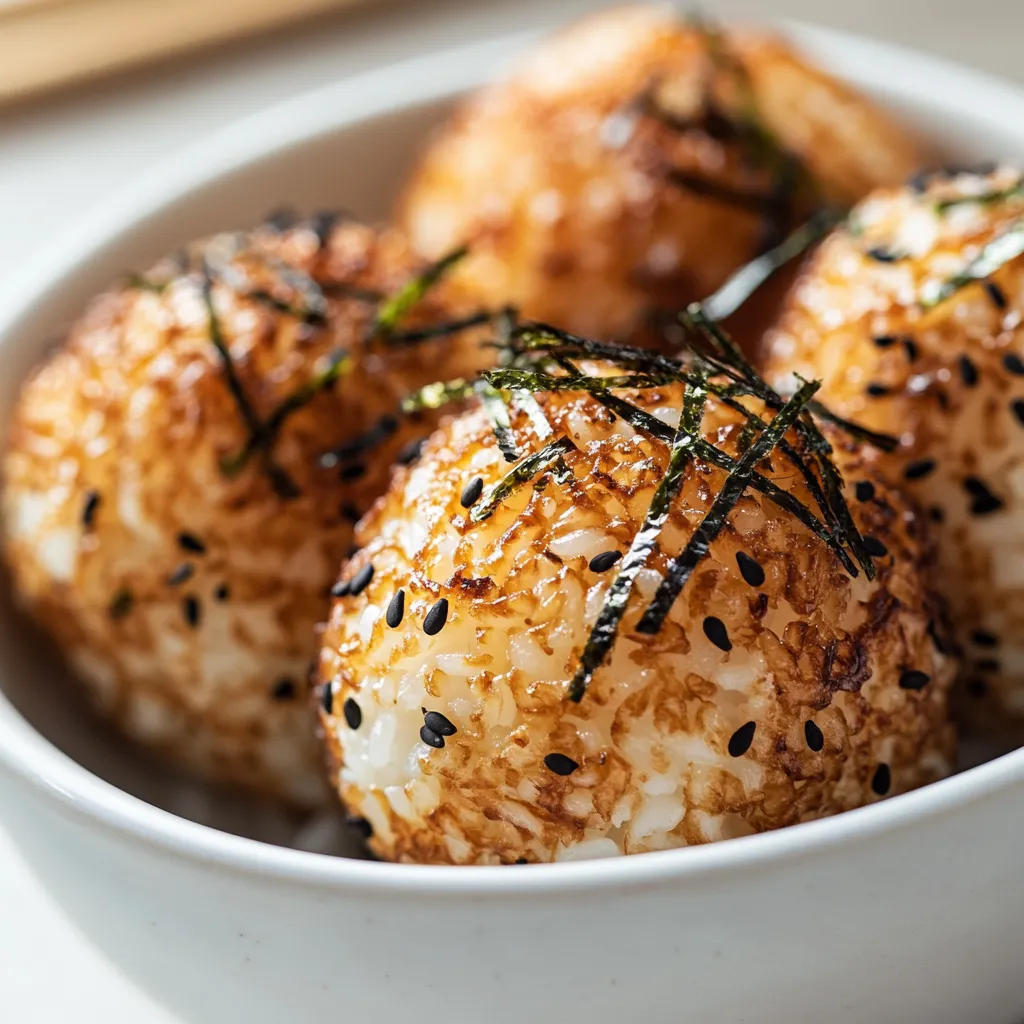
The charm of Japanese cuisine is evident in its unique textures and meticulous presentation, and one dish that truly encapsulates these attributes is Yaki Onigiri. These crispy rice balls are not only delicious but also embody the spirit of Japanese street food. With every bite, you are met with a satisfying crunch that contrasts beautifully with the tender, flavorful rice inside. The interplay of textures and flavors makes Crispy Yaki Onigiri a remarkable treat that can be enjoyed on various occasions, whether as a quick snack, a delightful appetizer, or a part of a packed lunch.
This recipe for Yaki Onigiri brings together simple yet essential ingredients, creating a dish that is both comforting and sophisticated. The soy sauce and mirin impart a subtle sweetness while complementing the nuttiness of sesame oil, ensuring that even plain rice transforms into something extraordinary. As you prepare this dish, you’ll find that the method itself is as rewarding as the end result. Whether you’re experiencing Japanese cuisine for the first time or revisiting a beloved favorite, the process of crafting these delightful rice balls is sure to enhance your cooking repertoire.
Recipe Overview
– Prep Time: 15 minutes
– Cook Time: 10 minutes
– Total Time: 25 minutes
– Course: Snack
– Cuisine: Japanese
– Servings: 4
– Calories: Approximately 250 per serving
Crispy Yaki Onigiri is a savory snack that transforms simple ingredients into a crunchy, satisfying treat. Each bite offers a delightful contrast between the crispy exterior and the tender rice within. This traditional Japanese dish can be enjoyed on its own or paired with various sides for an authentic culinary experience.
Ingredients
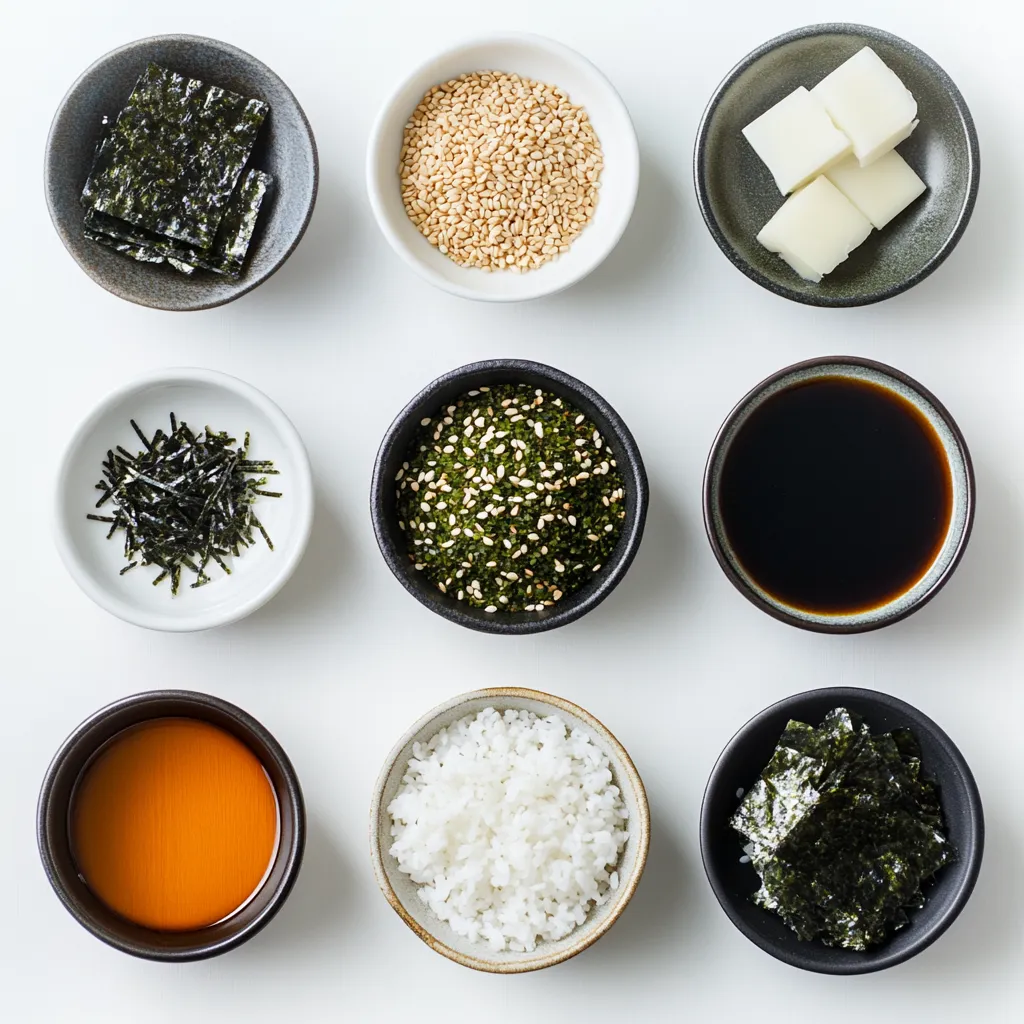
– 2 cups of cooked Japanese short-grain rice
– 1 tablespoon soy sauce
– 1 tablespoon mirin (sweet rice wine)
– 1 teaspoon sesame oil
– 1/2 teaspoon salt
– 1 tablespoon vegetable oil (for frying)
– Nori sheets, cut into strips (for garnish)
– Optional: sesame seeds or furikake seasoning for an extra crunch
Instructions
1. In a large mixing bowl, combine the cooked rice with soy sauce, mirin, sesame oil, and salt. Use a gentle folding motion to ensure all ingredients are evenly mixed without mashing the rice grains.
2. Allow the rice mixture to cool for a few minutes. Meanwhile, wet your hands with water to prevent the rice from sticking.
3. Take a handful of the rice mixture and shape it into a triangular or oval form, pressing firmly yet gently to ensure it holds together. Repeat this process until all the rice is molded into onigiri shapes.
4. In a non-stick skillet, heat the vegetable oil over medium heat until shimmering.
5. Carefully place the formed onigiri into the hot skillet, cooking them for about 3-4 minutes on each side, or until they develop a golden-brown, crispy exterior.
6. Once cooked, transfer the onigiri to a plate lined with paper towels to absorb any excess oil.
7. For added flavor, sprinkle sesame seeds or furikake over the onigiri while they are still warm.
8. Serve the onigiri hot, garnished with strips of nori for an appealing presentation, and enjoy the delightful crackling and sizzling sound as you bite into them!
The preparation of Crispy Yaki Onigiri is straightforward, yet flexible enough to accommodate your culinary flair. This dish not only satiates hunger but also serves as a canvas for your creativity. Whether you choose to embellish it with optional toppings or enjoy it in its purest form, the real joy lies in the enjoyment shared around the table, making each moment special.
Cooking Equipment
To successfully prepare Crispy Yaki Onigiri, having the right cooking tools on hand is essential. You will need:
– A large mixing bowl: This is vital for combining the ingredients without mashing the rice, preserving its texture.
– A non-stick skillet: Perfect for frying the onigiri, ensuring they get that desired crispy exterior without sticking to the pan.
– Measuring spoons: Precise measurements of soy sauce, mirin, and other ingredients are key to achieving the harmonious flavor profile of the onigiri.
– Paper towels: These are important for absorbing any excess oil after frying, helping to keep your snack light and enjoyable.
– A plate: For serving the finished onigiri, a decorative plate can enhance the visual appeal of the dish.
Having these tools ready will not only simplify the cooking process but will elevate your overall experience as you create these delightful rice balls.
Preparing the Rice Mixture
The foundation of fantastic Yaki Onigiri lies in the rice. Using cooked Japanese short-grain rice is imperative, as it has just the right amount of starch, allowing the grains to stick together without becoming mushy. When combining the ingredients, use a gentle folding technique to preserve the integrity of the rice grains. This careful approach will ensure that each bite maintains the perfect balance of textures and flavors.
After mixing in the soy sauce, mirin, sesame oil, and salt, allow the rice mixture to cool adequately. This step is important for easier handling and shaping. Wetting your hands before molding the rice prevents sticking, making it easier to form your onigiri without making a mess.
In the next section, we will delve into the techniques for shaping your Yaki Onigiri, ensuring that they not only taste fantastic but also look appealing.
Frying the Onigiri
Achieving the perfect crispy texture while frying onigiri is essential for enhancing both the flavor and the experience of this dish. The contrast between the crispy exterior and the tender rice on the inside characterizes a well-made onigiri.
The ideal skillet temperature for frying onigiri is medium heat. This approach allows the oil to heat up sufficiently without burning, creating the perfect environment for a golden-brown crust. Using a non-stick skillet is advisable since it prevents the rice balls from sticking, which can disrupt the frying process.
Timing is crucial when it comes to cooking each side for optimal crispiness. Aim to cook each onigiri for about 3-4 minutes on each side. This duration allows for the exterior to become crisp while ensuring the interior is heated through. When recognized by a beautiful golden-brown color, the onigiri are done. A deeper brown can contribute to a more intense flavor, so adjust the timing slightly based on your preference.
Serving Suggestions
Presentation can elevate the enjoyment of your Crispy Yaki Onigiri. Arranging the onigiri on a decorative plate can enhance its visual appeal, making it a delightful centerpiece for any snack table. Consider stacking them in a staggered formation to draw the eye in.
Garnishing with nori strips adds both a splash of color and a hint of flavor. Not only does this add to the aesthetic quality, but it also respects the traditional Japanese presentation ideals. The nori complements the rice with its slightly salty profile, adding another layer of taste.
Incorporating optional sesame seeds or furikake as garnishes is a wonderful way to introduce an additional crunch and flavor notes. Furikake, a Japanese seasoning blend usually made from seaweed, sesame seeds, and dried fish, can provide unique umami flavors that beautifully accentuate the onigiri.
Flavor Enhancements
For those looking to add a personal touch to their Crispy Yaki Onigiri, various optional additions can be included. Mixing small pieces of pickled vegetables, cooked proteins, or even a scattering of finely chopped green onions into the rice mixture before shaping can create interesting and customized versions.
Exploring different types of dipping sauces can also elevate the eating experience. Soy sauce is a traditional choice, but experimenting with a sweet chili sauce or a tangy ponzu can create new flavor profiles that surprise and delight. Each option brings a unique twist to the dish, catering to different palates.
Pairing onigiri with pickled vegetables, such as takuan (pickled daikon) or umeboshi (pickled plum), can enhance the dish’s sweetness and make it even more enjoyable. Fresh herbs like shiso leaves can also act as a vibrant complement to the flavors, offering a fresh and aromatic note.
Experimenting with other seasonings for variations can yield exciting new snacks. Adding a bit of miso paste to the rice mixture can introduce a creamy texture while retaining the core essence of the dish. A dash of wasabi or spicy mayonnaise served alongside can also appeal to those who enjoy a kick.
Nutritional Information
Crispy Yaki Onigiri has an appealing health profile, making it a balanced choice for a snack. With approximately 250 calories per serving, it provides a fulfilling treat without excess. The onigiri is rich in carbohydrates, primarily derived from the short-grain rice, which serves as a significant energy source.
The balance of flavors in the dish ensures that you won’t miss out on taste for the benefits of its nutritional content. Utilizing Japanese short-grain rice not only contributes to the dish’s chewy texture but is also a source of essential minerals. Short-grain rice is known for its higher fiber content compared to long-grain varieties, which may offer benefits in maintaining digestive health.
Final thoughts on the dish’s nutritional implications might inspire those focusing on mindfulness in eating. The calming act of savoring each bite aligns beautifully with a balanced approach to snacks.
Cultural Significance
Understanding the cultural background of Onigiri can enhance your appreciation and enjoyment of this dish. Historically, rice balls have been a staple in Japanese cuisine, with their origins tracing back to ancient times when they were often used as portable meals for travelers and warriors.
In modern Japanese culture, onigiri remains a beloved comfort food, frequently found in bento boxes for students and workers alike. They are particularly popular during picnics and festivals. Onigiri’s on-the-go nature aligns with contemporary lifestyles while reflecting deep-rooted traditions.
Crispy Yaki Onigiri fits neatly into the realm of traditional meals, blending the cultural significance of rice with innovative cooking techniques. The frying aspect elevates the dish, adapting a classic shape and flavor to suit modern palates while preserving historical ties.
Tips for Success
Crafting perfect Yaki Onigiri involves avoiding common pitfalls that can affect the final product. One often encountered issue is the rice being either too mushy or overly dry. To ensure a well-balanced texture, use freshly cooked Japanese short-grain rice; it should be sticky yet firm enough to hold its shape.
Managing skillet temperature is crucial in achieving consistent frying results. If the heat is too high, you risk burning the exterior while the interior remains cold. Conversely, too low of a temperature can lead to soggy onigiri. Monitor the oil carefully and adjust as necessary for even cooking.
If intending to save leftovers for later, it’s essential to store the onigiri properly. Allow them to cool completely before placing them in an airtight container. Keeping them at room temperature for a short period is fine; however, for longer storage, refrigerating is recommended. Reheating can be done in a skillet for maintaining that desired crispiness.
Conclusion
Crispy Yaki Onigiri offers a delicious blend of taste and texture, ideal for snack enthusiasts seeking something unique. With a total preparation and cooking time of just 25 minutes, these Japanese rice balls make for a quick yet flavorful addition to any meal or gathering, leaving a delightful impression with each crispy bite.
Crispy Yaki Onigiri: Delicious Japanese Rice Balls
Ingredients
- 2 cups cooked Japanese short-grain rice
- 1 tablespoon soy sauce
- 1 tablespoon mirin
- 1 teaspoon sesame oil
- ½ teaspoon salt
- 1 tablespoon vegetable oil
- Nori sheets cut into strips
- sesame seeds or furikake seasoning optional
Instructions
- In a large mixing bowl, combine the cooked rice with soy sauce, mirin, sesame oil, and salt.
- Allow the rice mixture to cool for a few minutes.
- Wet your hands with water to prevent the rice from sticking.
- Shape the rice mixture into triangular or oval forms.
- In a non-stick skillet, heat the vegetable oil over medium heat.
- Carefully place the formed onigiri into the hot skillet, cooking for 3-4 minutes on each side.
- Transfer the onigiri to a plate lined with paper towels to absorb excess oil.
- Sprinkle sesame seeds or furikake over the warm onigiri.
- Serve hot, garnished with nori strips.