
Introduction
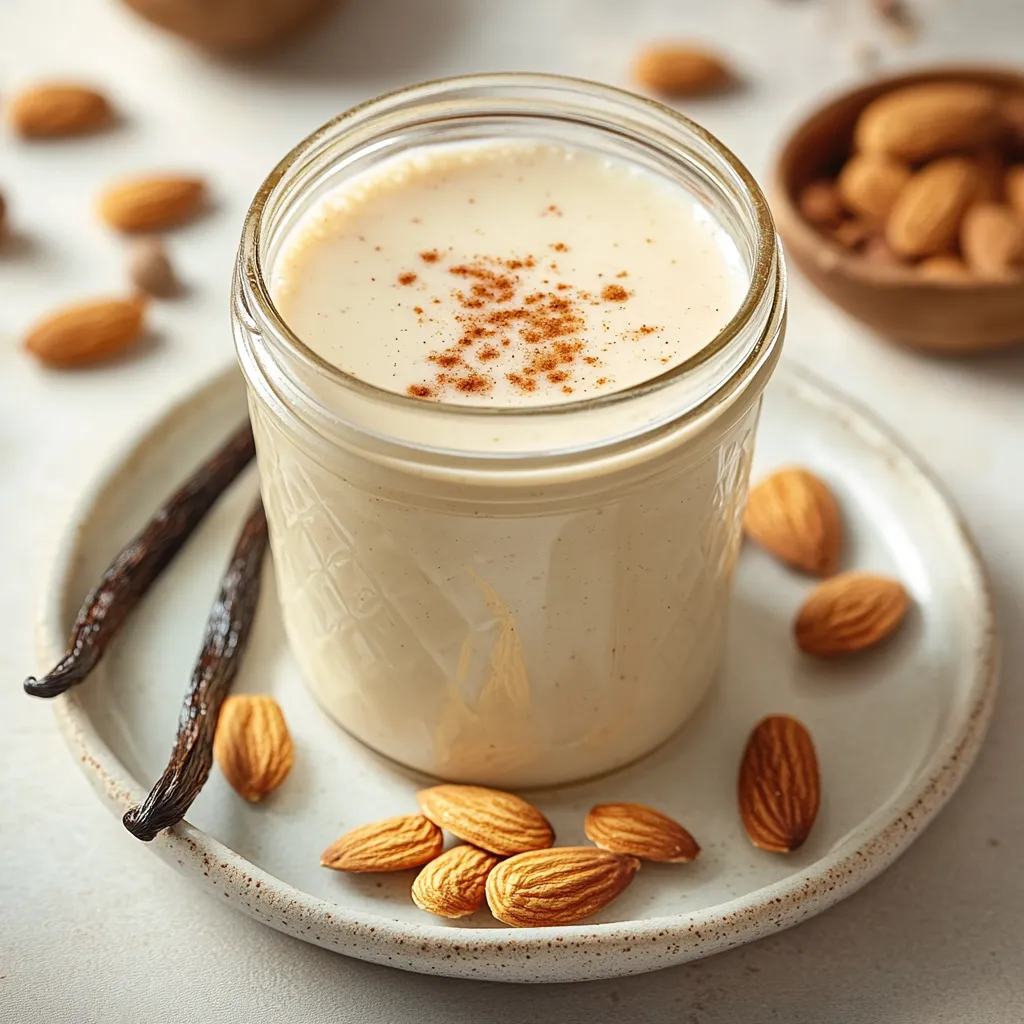
The world of plant-based milks is vast, yet few can rival the rich creaminess of homemade almond vanilla orchard milk. This delightful beverage not only caters to those seeking dairy alternatives but also enhances the flavor of any dish it accompanies. Almond milk, in particular, delivers a nutty essence that complements a variety of meals and snacks. Made with just a handful of ingredients, this almond vanilla orchard milk is versatile enough to enjoy on its own or to incorporate into smoothies, cereals, or baked goods.
Beyond its delicious taste, almond milk also offers a range of nutritional benefits. Almonds are rich in healthy fats, vitamins, and minerals, providing a wholesome dairy alternative for those looking to reduce animal product consumption. Whether you’re vegan, lactose intolerant, or simply looking to explore new flavors, this homemade almond vanilla orchard milk will become a staple in your kitchen. Here, we will outline the straightforward process of making this creamy delight, supplemented by tips on serving and storage.
Recipe Overview
– Prep Time: 10 minutes
– Total Time: 10 minutes plus soaking time
– Yield: 4 cups
– Difficulty: Not specified in the recipe
Ingredients
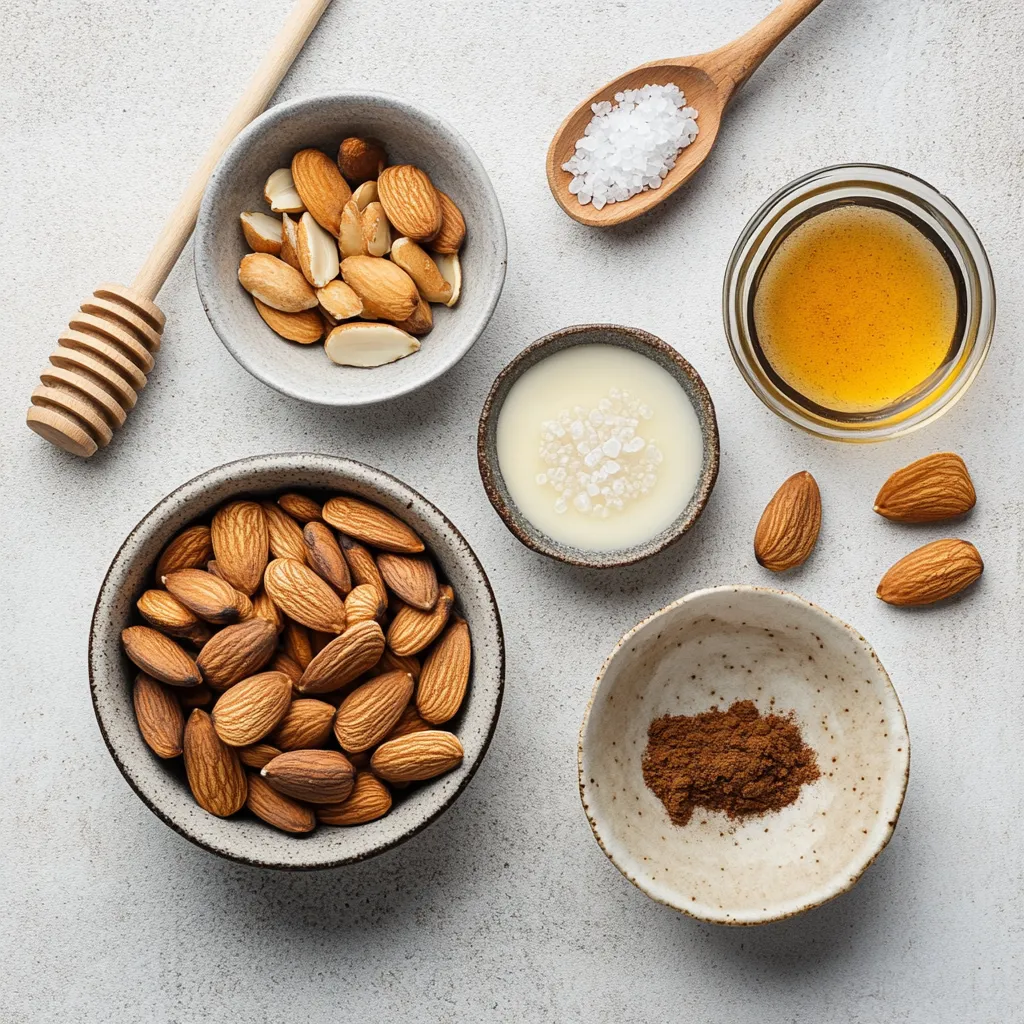
– 1 cup raw almonds, soaked overnight
– 4 cups filtered water
– 1-2 tablespoons pure vanilla extract (to taste)
– 2 tablespoons maple syrup or honey (optional, adjust for sweetness)
– A pinch of sea salt
– 1/2 teaspoon ground cinnamon (optional, for a hint of warmth)
Instructions
**Prepare the Soaked Almonds**
Start by draining and rinsing the soaked almonds under cold running water. This step is crucial as it removes any unpleasant bitterness and enhances the flavor profile of your milk.
**Blend the Ingredients**
In a high-speed blender, add the rinsed almonds along with the filtered water. Blend on high speed for approximately 2-3 minutes, or until the mixture becomes smooth and creamy in texture.
**Strain the Milk**
Set a nut milk bag or a fine mesh strainer over a large mixing bowl. Carefully pour the blended almond mixture into the bag or strainer to separate the almond pulp from the liquid. Gently squeeze the bag or strainer to extract as much almond milk as possible.
**Add Flavorings**
Once you have collected the almond milk in the bowl, add the vanilla extract, maple syrup or honey (if using), sea salt, and ground cinnamon (if desired). Stir well to ensure that all ingredients are thoroughly combined.
**Adjust to Taste**
Taste your almond milk and adjust the sweetness or vanilla intensity according to your preference.
**Store the Milk**
Pour the finished almond vanilla orchard milk into a clean glass jar or bottle for storage. Keep it in the refrigerator and remember to shake well before serving, as it may separate over time.
Presentation Tips
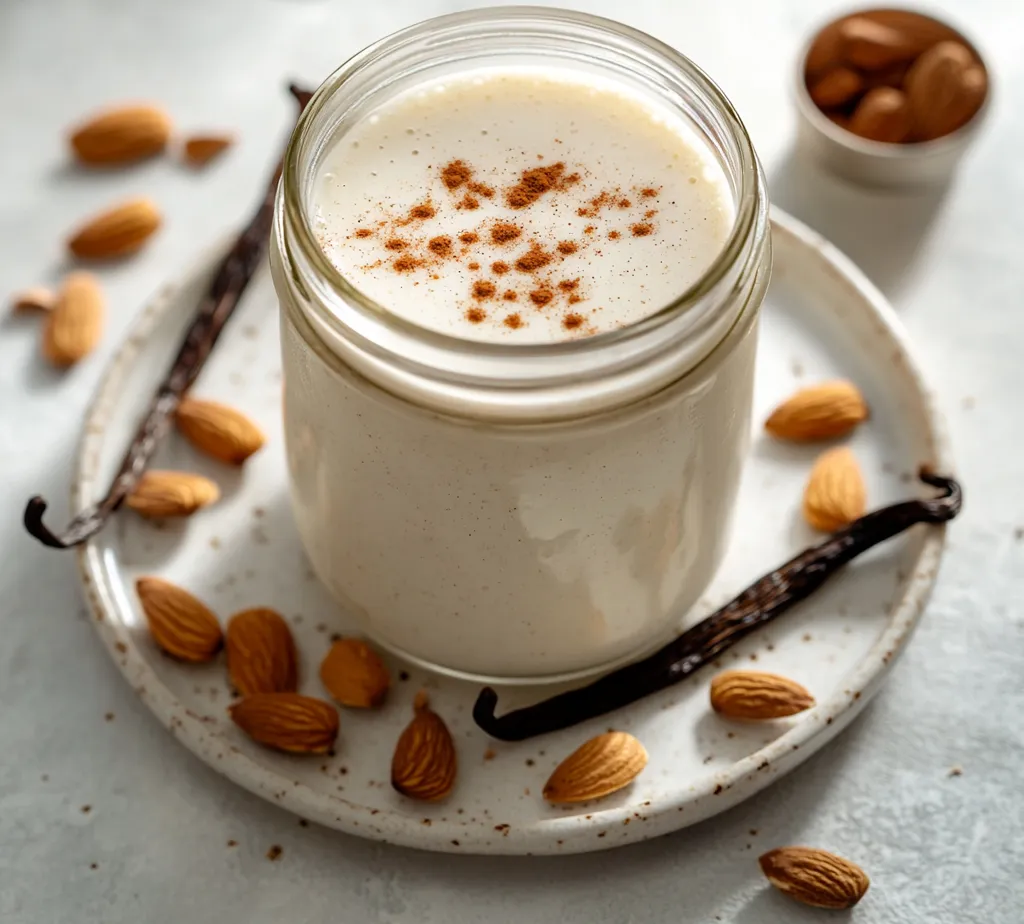
Serve the almond vanilla orchard milk in a clear glass with a cinnamon stick for an elegant touch. You can also garnish with a sprinkle of ground cinnamon on top for added visual appeal and flavor.
Raw Almonds
Almonds serve as the foundational ingredient for almond vanilla orchard milk. The importance of soaking almonds cannot be overstated. Soaking not only softens these hard nuts, making them easier to blend, but it also helps neutralize enzyme inhibitors and enhance digestibility. Nutritionally, soaked almonds can yield a creamier texture when blended, improving the overall quality of the milk.
Almonds are rich in healthy monounsaturated fats, vitamin E, magnesium, and fiber. They play a valuable role in promoting heart health, reducing cholesterol levels, and providing essential nutrients that can contribute to overall well-being. When choosing almonds for making milk, opt for raw, organic almonds without additives for the best flavor and health benefits.
Filtered Water
Using filtered water is recommended for creating your almond milk to ensure that no unwanted impurities or flavors are introduced. The quality of the water can significantly impact the taste of the final product, making it essential for a creamy and delicious milk. If filtered water is unavailable, you could use bottled water as an alternative, though the preference remains for filtered to ensure optimal taste and purity.
Pure Vanilla Extract
Vanilla extract plays a crucial role in enhancing the flavor of almond vanilla orchard milk. It adds a sweet, aromatic note that beautifully complements the nuttiness of the almonds. While there are many commercial vanilla flavorings available, using pure vanilla extract ensures that you are getting the best quality flavor without artificial additives.
Pure vanilla extract is derived from vanilla beans and has a more robust flavor compared to imitation vanilla, which is often chemically synthesized. By using pure vanilla extract in your recipe, you enhance not only the taste but also the nutritional profile since it often contains beneficial antioxidants.
Sweeteners
Incorporating a sweetener is optional when making almond vanilla orchard milk, but it can elevate the flavor profile for those who prefer a sweeter taste. Maple syrup and honey are both excellent choices but bring different flavor nuances to your almond milk.
Maple syrup offers a rich, earthy sweetness that pairs well with the nuttiness of almonds, while honey introduces a floral sweetness that can complement the milk’s flavor. Adjusting the sweetness to your personal taste allows you to tailor the almond milk experience to your liking or dietary needs.
Sea Salt and Ground Cinnamon
Adding a pinch of sea salt serves to enhance the overall flavor of the almond vanilla orchard milk. Salt can help balance sweetness and bring forth the best qualities of the other ingredients. It is a small yet impactful addition that should not be overlooked.
Ground cinnamon, on the other hand, contributes a warm and inviting flavor that adds depth to the almond milk. Its optional inclusion can provide a comforting aroma and taste, making the beverage more enjoyable, especially when served cold or warm.
Soaking the Almonds
Importance of Soaking
Soaking almonds is a key step in the process of making almond milk. This action softens the nuts, making them much easier to blend and ensuring a smoother final product. Not only does soaking help in achieving a creamy texture, but it also enhances the nutritional aspects of the almonds. Soaked almonds are easier to digest and can enhance nutrient absorption, providing more health benefits from the nuts.
Best Soaking Practices
To achieve optimal results, soak the almonds overnight for at least 8 hours. This allows sufficient time for the nuts to fully hydrate and soften. Be sure to store the soaking almonds in the refrigerator to prevent spoilage if the soaking period extends beyond a few hours. In warmer climates, soaking in a cool place is ideal to avoid fermentation. After soaking, always rinse the almonds under cold water before blending to prepare them for your almond milk.
Blending the Almonds
Equipment Needed
When making almond milk, a high-speed blender is vital for achieving a silky-smooth consistency. The power of a high-speed blender allows you to fully break down the almonds, ensuring that no bits are left behind and yielding a creamy texture. For those who do not have access to a high-speed blender, a regular blender can still work, albeit with a longer blending time and potentially not as fine a consistency.
Blending Techniques
To create an optimal blend, be sure to blend the rinsed almonds with water on a high setting for approximately 2-3 minutes. The goal is to achieve a smooth and creamy texture; over-blending may lead to separation if the mixture is heated. Avoid common mistakes such as not adding enough water or blending too briefly, which can cause a grainy texture in the resulting almond milk. Following these guidelines will ensure a delicious final product.
Best Practices for Incorporating Vanilla
Integrating vanilla into your almond vanilla orchard milk requires attention to detail. When selecting vanilla extract, opt for high-quality pure vanilla rather than imitation, as it significantly impacts taste. The intensity of vanilla can vary between brands, which means a little may go a long way. Start with the minimum recommended amount of 1 tablespoon and taste as you go, adding more as needed to suit your palate.
Adjusting the Intensity of Vanilla Flavor
To adjust the vanilla flavor effectively, it’s best to evaluate the balance as you combine the ingredients. If you find the taste too subtle, add an extra 1/2 tablespoon of vanilla extract and blend again. Conversely, if the flavor is too overpowering, consider diluting it with more almond milk or another batch of the base recipe without additional vanilla. This ratio helps manage the overall flavor profile and prevents overwhelming the other ingredients.
Sweetening to Taste
How to Gauge Sweetness During Preparation
Sweetness is a personal preference when it comes to almond milk. During preparation, it’s advisable to start with the lower amount of your selected sweetener—whether maple syrup or honey. Blend the ingredients, then taste the mixture. This method allows you to adjust the sweetness gradually without risking an overly sweet end product.
Incorporating Different Sweeteners
In addition to maple syrup and honey, consider other sweetener alternatives based on dietary preferences. Options like agave syrup or stevia can also be used, but note that liquid sweeteners will influence the texture slightly more than granulated ones. If using granulated sugars, ensure they dissolve completely for a consistent sweetness throughout the milk.
Optional Additions
Exploring Flavors with Additional Spices
Creative cooks can elevate almond vanilla orchard milk by incorporating additional spices. For example, a pinch of nutmeg can add warmth, while a hint of cardamom introduces a tantalizing twist. Cinnamon is an excellent complement; just be cautious with overuse, as strong spices can dominate the delicate flavor of almond and vanilla.
Creative Alternatives for Flavoring Almond Milk
Consider adding flavors such as cocoa powder for a chocolate almond milk variant, or blending in fresh fruits like bananas or strawberries for a fruity twist. Each addition can be customized based on seasonal availability or personal preference, allowing for versatility in flavor profiles.
Storing Your Almond Milk
Recommended Storage Practices
Choosing the right container for storage is essential for extending the shelf life of almond milk. Opt for glass jars or BPA-free plastic containers that seal tightly to maintain freshness. Make sure to minimize air contact, which can lead to oxidation and spoilage.
Best Conditions for Maintaining Freshness
Almond milk should always be stored in the refrigerator. Keep it away from door compartments where temperatures fluctuate. Temperature stability is crucial for preventing spoilage, as homemade almond milk lacks preservatives typically found in store-bought options.
Shelf Life and Usage
Understanding how long almond milk lasts is essential for optimal enjoyment. Homemade almond vanilla orchard milk generally stays fresh for up to 4-5 days. Always inspect for off-smells, changes in texture, or visible signs of spoilage before consuming. To maximize usage, try to finish the batch quickly or consider sulfate-free stabilization methods if planning longer storage.
Tips for Ensuring Quality Over Time
To ensure quality remains intact, always shake well before serving, as separation is natural. Seal unused portions immediately and avoid transferring between containers frequently, as this increases exposure to air and light.
Serving Suggestions
Presentation Ideas
Elevating your serving suggestions involves more than just taste; visuals play a huge role. Serve the almond vanilla orchard milk in clear, tall glasses to showcase its creamy texture. Add a cinnamon stick or a sprinkle of ground cinnamon on top for a beautiful final touch. Adding garnishes like fresh almonds or edible flower petals can enhance the aesthetic appeal, making it a charming beverage for guests.
Creative Ways to Present Almond Milk
For an imaginative experience, consider layering almond milk with smoothies or yogurt in a parfait-style presentation, prominently featuring its creamy texture against colorful fruits or layers of granola—this not only makes for an eye-catching dish but also a nutritious snack.
Pairing with Foods
Best Foods to Pair Almond Milk With
Almond vanilla orchard milk is versatile enough to pair wonderfully with various foods. It complements breakfast items such as whole-grain pancakes, oatmeal, or granola. For lunch or dinner, serve it alongside savory dishes, where its nutty essence can balance flavors and textures, like grain bowls or salads with fruit components.
Ideas for Using Almond Milk in Recipes
In addition to enjoying it as a beverage, there are countless ways to incorporate almond milk into your cooking. It makes an excellent base for creamy soups or can replace dairy in mashed potatoes, lending a subtle nutty flavor. Incorporating it into smoothies ensures you’re adding healthy fats and nutrients, enhancing both flavor and creaminess.
Health Benefits of Almond Milk
Nutritional Profile
Almond milk boasts a relatively low caloric count, typically around 30-50 calories per cup, depending on whether sweetened or unsweetened versions are used. It’s rich in vitamin E and provides a small nutritional boost with fiber, making it a favorable option for those monitoring caloric intake or seeking balanced nutrition.
Comparing with Traditional Dairy Milk
When compared to traditional dairy milk, almond milk contains significantly less saturated fat and is lactose-free, catering to those with lactose intolerance. It provides similar calcium contents in fortified versions, aligning it closely to dairy alternatives for calcium intake.
Benefits for Dietary Preferences
Almond milk is a compelling choice for vegan diets and is often recommended for individuals seeking to reduce their dietary cholesterol. The inclusion of almond milk may also contribute to heart health due to its healthy fat content.
Cooking and Baking with Almond Milk
Versatility in Recipes
Almond milk’s flexibility extends beyond beverages. In smoothies, it delivers a creamy texture without overwhelming flavors. When used in cereals or oatmeal, it enhances the overall eating experience, allowing the natural flavors of fruits and grains to shine.
Using in Baking for Moisture and Flavor
In baking, almond milk serves as an excellent dairy substitute. It adds moisture to muffins, pancakes, and cakes while also imparting a gentle nutty flavor.
Substituting in Recipes
If replacing dairy milk with almond milk, a simple one-to-one substitution typically suffices in most recipes. However, monitor the cooking times, as almond milk may require less time when heating or baking. Adjust accordingly to prevent overcooking.
Common Mistakes to Avoid
Preparation Errors
One common pitfall is over-blending or under-blending during the initial mixture stage; both can affect the final texture. Properly managing straining techniques is equally essential—ensure to wring the nut milk bag effectively to extract maximum liquid without squeezing too aggressively, which can introduce bitterness and graininess.
Flavor Considerations
Managing flavors is critical in balancing the final product. Watch for overpowering flavors or inadequate sweetness; it’s easy to misjudge these elements if not tasted appropriately during preparation. Remember that all ingredients contribute to the overall flavor profile, requiring careful consideration of ingredient quantities for harmony.
Conclusion
Almond vanilla orchard milk combines rich, nutty flavors with the sweetness and aroma of vanilla, resulting in a refreshing and versatile beverage that enhances various dishes. The straightforward preparation process, along with flexible serving and storage options, makes this almond milk an accessible choice for many. Its creamy texture and delicious flavor invite experimentation in both culinary creations and simple enjoyment.
Almond Vanilla Orchard Milk Recipe for Creamy Vegan Delight
Ingredients
- 1 cup raw almonds soaked overnight
- 4 cups filtered water
- 1-2 tablespoons pure vanilla extract
- 2 tablespoons maple syrup or honey
- a pinch sea salt
- ½ teaspoon ground cinnamon
Instructions
- Drain and rinse the soaked almonds under cold running water.
- In a high-speed blender, add the rinsed almonds and filtered water. Blend on high for 2-3 minutes until smooth.
- Set a nut milk bag or fine mesh strainer over a large bowl and pour the blended mixture into it.
- Gently squeeze to extract as much almond milk as possible.
- Add vanilla extract, maple syrup or honey, sea salt, and ground cinnamon to the almond milk. Stir well.
- Taste and adjust sweetness or vanilla intensity as desired.
- Pour the almond milk into a clean jar or bottle for storage.
- Keep in the refrigerator and shake well before serving.