
Introduction
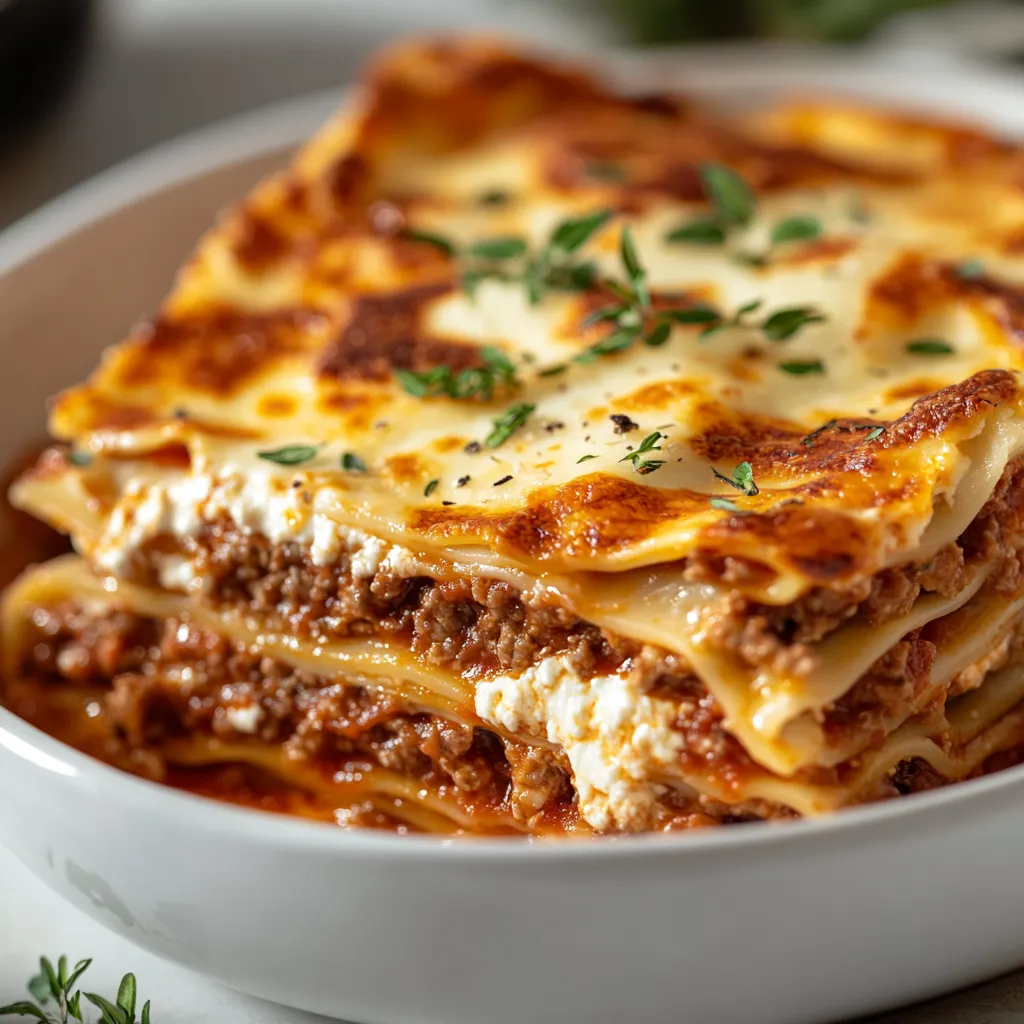
Lasagna is a classic Italian dish beloved for its rich layers of flavor and comforting characteristics that make it a staple in many households. The key to a great lasagna lies not only in its ingredients but also in the love and care that goes into assembling each layer. This Cheesy Homemade Baked Italian Lasagna with Ricotta offers a delicious combination of ground beef or Italian sausage, savory herbs, creamy ricotta, and melted mozzarella, all nestled between tender lasagna noodles. It’s perfect for family gatherings, festive occasions, or simply as a weekend project to enjoy with loved ones.
As you dive into making this lasagna, you’d appreciate the way the flavors meld together during baking, creating a delightful dish that is both cheesy and meaty, topped with a golden crust. Each slice reveals beautifully structured layers that ooze with gooey cheese and vibrant sauce. Whether served with a side salad or crusty garlic bread, this dish is a guaranteed crowd-pleaser that invites everyone to the table.
Recipe Overview
– Total Time: 1 hour 10 minutes
– Prep Time: 30 minutes
– Yield/Servings: 8 servings
– Difficulty: Not specified in the recipe
Ingredients
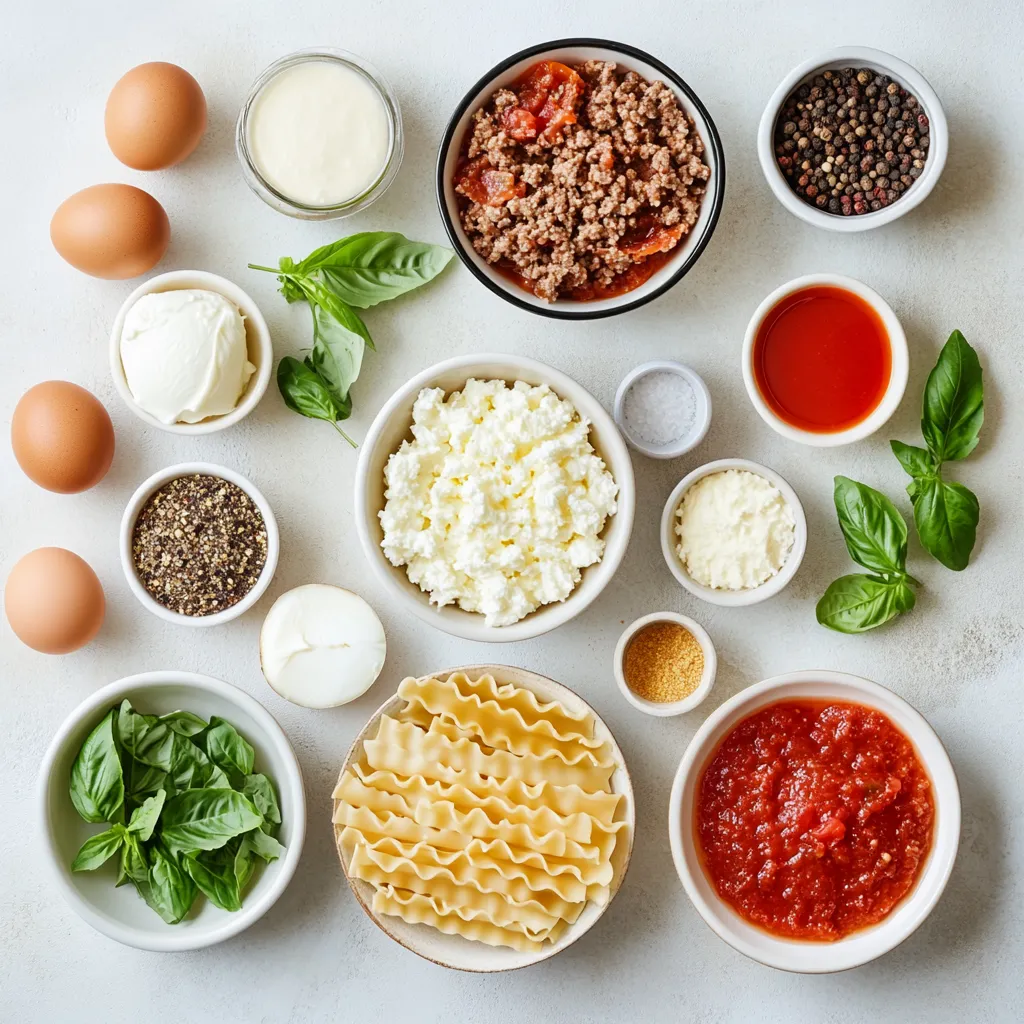
– 12 lasagna noodles
– 2 tablespoons olive oil
– 1 pound ground beef or Italian sausage
– 1 medium onion, finely chopped
– 3 cloves garlic, minced
– 1 can (28 ounces) crushed tomatoes
– 2 cans (6 ounces each) tomato paste
– 2 teaspoons dried basil
– 1 teaspoon dried oregano
– 1 teaspoon salt
– ½ teaspoon black pepper
– 15 ounces ricotta cheese
– 1 large egg
– 2 cups shredded mozzarella cheese
– 1 cup grated Parmesan cheese
– Fresh basil leaves for garnish (optional)
Instructions
1. Cook the Noodles: In a large pot, bring salted water to a boil. Add the lasagna noodles and cook according to the package directions until they are al dente. Once cooked, drain the noodles and set them aside.
2. Prepare the Meat Sauce: In a large skillet, heat the olive oil over medium heat. Add the chopped onion and sauté until it becomes translucent, about 5 minutes. Add the minced garlic and cook for an additional minute until fragrant. Incorporate the ground beef or Italian sausage, breaking it apart with a spoon, and cook until browned. If there is excess fat, drain it from the skillet.
3. Add Tomatoes and Spices: Stir in the crushed tomatoes, tomato paste, dried basil, oregano, salt, and black pepper. Bring the mixture to a gentle simmer and allow it to cook for 15-20 minutes, stirring occasionally to combine the flavors.
4. Mix the Ricotta Filling: In a medium bowl, combine the ricotta cheese, egg, and a pinch of salt and pepper. Stir until the mixture is smooth and well combined.
5. Assemble the Lasagna: Preheat your oven to 375°F (190°C). In a 9×13 inch baking dish, spread a thin layer of the meat sauce on the bottom. Lay 3 lasagna noodles on top of the sauce. Spread half of the ricotta mixture over the noodles, then layer with a portion of the meat sauce, followed by a third of the shredded mozzarella cheese. Repeat this layering process with another set of noodles, the remaining ricotta mixture, meat sauce, and another third of mozzarella cheese.
6. Final Layer: Place the last 3 noodles on top, covering them with the remaining meat sauce. Finish by sprinkling the remaining mozzarella cheese and all of the grated Parmesan cheese on top.
7. Bake: Cover the baking dish with aluminum foil, ensuring it does not touch the cheese. Bake in the preheated oven for 25 minutes. Then, remove the foil and continue baking for an additional 15-20 minutes, or until the top is bubbly and golden brown.
8. Cool and Serve: Allow the lasagna to cool for about 10-15 minutes before slicing into squares. For an added touch, garnish with fresh basil leaves if desired.
What is Lasagna?
Lasagna is a layered pasta dish, originally from Italy, made between sheets of flat pasta known as lasagne. Traditionally, it features a combination of ingredients such as ground meats, cheese, and various sauces, depending on regional preferences. One of the most common forms of lasagna includes flavor-packed meat sauces layered with creamy cheeses, making it a hearty and satisfying meal.
The layers of pasta and filling create a beautifully structured dish that not only tastes delicious but presents itself dramatically when sliced. Traditionally, lasagna is considered a dish for special occasions due to its labor-intensive preparation process, but its comforting qualities make it suitable for any day of the week.
Origins of Italian Lasagna
The origins of lasagna date back to ancient times, with references found in Greek and Roman texts where layers of pasta were baked with various fillings. However, the modern interpretation of lasagna as we know it today developed in Italy, with its roots primarily tracing back to the Emilia-Romagna region, known for rich pasta dishes and culinary traditions.
As it spread across Italy, localized variations emerged, showcasing regional ingredients and methods. The version made with ricotta cheese, meat, and tomato sauce is one of the most famous and beloved types, particularly in American-Italian cuisine. Each bite tells a flavor-filled story, connecting generations through shared family recipes and communal meals.
Perfect Occasions for Lasagna
Lasagna is the quintessential comfort food that shines at both casual and formal gatherings. It makes an excellent centerpiece for family meals, holiday celebrations, or potlucks, where sharing a substantial dish brings everyone together. Its hearty nature satisfies both adults and children alike, making it a popular choice for birthday parties, reunions, and even cozy date nights at home.
Moreover, lasagna is perfect for meal prepping. It can be made in advance and refrigerated or frozen, allowing you to have a homemade meal ready to go. When serving a crowd or preparing for a special occasion, lasagna never fails to impress with its delicious taste, wholesome ingredients, and ease of preparation.

Assembling the Lasagna
Layering Basics
When it comes to assembling lasagna, the order and precision of layering can significantly impact the cooking process and final presentation. Begin by spreading a thin layer of meat sauce across the bottom of the baking dish; this helps prevent the noodles from sticking. The next step is to carefully lay your cooked lasagna noodles over the sauce, ensuring they are evenly spaced and overlapping slightly for a sturdy base. Continue this method by adding the ricotta mixture, then the meat sauce, and sprinkle a generous amount of mozzarella. This layering method ensures that each slice of lasagna contains all the flavors and textures in harmony.
Importance of Structure
The structural integrity of lasagna is vital for a well-formed slice when serving. Adequate layering and a balanced amount of each ingredient is essential to avoid a watery or soggy dish after baking. The noodles should act as a supportive architecture, providing a foundation for the ricotta and meat sauce which, when cooked, meld together perfectly. If the layers are too thick, the lasagna may collapse when cut, leading to a messy presentation.
Visual Appeal in Layers
A well-assembled lasagna should not only taste incredible but also look appetizing. For visual appeal, ensure that the topmost layer is where you place your final layer of mozzarella cheese and Parmesan. This not only contributes to that enticing golden color when baked, but it also allows for bubbling cheese that stretches beautifully when served. Fresh basil leaves as a garnish can further enhance the dish, providing a fresh color contrast against the rich red and creamy layers below.
Creating the Final Layer
Choosing the Right Toppings
The final topping layer is crucial for achieving that classic lasagna look. The choice of cheese is critical; a mix of shredded mozzarella and grated Parmesan provides a wonderful flavor contrast as well as complementary textures. For a variation, you may consider adding a sprinkle of smoked gouda or provolone cheese for a deeper flavor profile. Ensure an even spread of toppings to promote uniform melting and browning.
Cheese Variations for an Extra Kick
While mozzarella is the classic choice for lasagna, exploring other cheese options can elevate the dish. If you’re inclined to experiment, a bit of ricotta or feta mixed with herbs can add a different creaminess while providing a flavor twist. Other cheeses like fontina or cheddar can be introduced in small amounts as well; however, take care not to overpower the traditional aspect of the dish.
Ensuring Even Distribution of Sauce
Aligning sauce between the layers and ensuring it covers the noodles equally is vital for moisture retention and flavor permeation. Avoid leaving large areas without sauce; this could lead to dry noodles and an unremarkable taste. Make sure every layer gets the right balance of meat sauce and ricotta filling, which collectively ensures that every bite contains a mix of flavors.
Baking the Lasagna
Temperature and Timing Insights
Baking the lasagna at 375°F (190°C) allows both the ingredients and flavors to meld together seamlessly. The initial cover with aluminum foil traps moisture, creating steam that helps cook the noodles without drying them out. The later removal of the cover allows for browning and bubbling of the cheese, which is indicative of a well-cooked lasagna. As you approach the end of the baking time, keep an eye on the color of the top layer to prevent burning.
The Role of Aluminum Foil
Covering the lasagna with aluminum foil during the first half of the baking process is essential for preventing the top from browning too quickly while ensuring thorough cooking. This steamy environment allows the noodles to cook without drying out. Remember to avoid letting the foil come into direct contact with the cheese, as this could stick and disrupt your beautifully melted topping.
Techniques for Achieving a Golden Top
To achieve that sought-after golden crust, ensure the oven is preheated adequately, and remove the foil towards the end of baking. If a more intense golden color is desired, consider switching to broil for the final 2-3 minutes, ensuring that you watch the lasagna closely to avoid burning. Evenly distributed cheese will help create a uniform color, so take your time when applying it.
Cooling and Serving the Lasagna
Importance of Cooling Time
Allowing the lasagna to cool for about 10-15 minutes post-baking is crucial prior to slicing. This resting period helps the layers set and allows the flavors to meld, making it easier to cut clean slices. Cutting into the lasagna too soon may result in filling spilling out, leading to an unappealing presentation.
Cutting Techniques for Neat Slices
To achieve perfect slices, use a sharp knife or a pizza cutter to ensure clean cuts through the layers. An offset spatula can be beneficial for lifting out the pieces without disturbing the structure. Wiping the knife or cutter between slices helps maintain neat edges and prevents residue from smearing the beautiful layers.
Garnishing Ideas for Presentation
To enhance the visual appeal of the dish, consider adding fresh basil leaves or parsley on top right before serving. A light drizzle of high-quality olive oil or a sprinkle of freshly cracked black pepper adds a finishing touch that elevates the dish. For added zest, a dusting of extra Parmesan cheese can also be appealing.
Storing Leftovers
Storage Solutions
Leftover lasagna should be stored in an airtight container or tightly covered with plastic wrap or aluminum foil. It’s ideal to keep it in the refrigerator if it will be consumed within a few days. Ensure that the lasagna has cooled completely to prevent condensation from making it soggy.
Reheating Tips
When ready to enjoy leftovers, reheat individual portions in the microwave covered with a microwave-safe lid or wrap. For larger portions or the whole casserole, reheat in the oven at a low temperature (around 350°F or 175°C) until hot throughout, approximately 25-30 minutes. If reheating from frozen, allow the same amount of time, increasing as necessary until fully thawed.
Freezing for Future Enjoyment
For long-term storage, lasagna can be frozen before baking or after. If freezing unbaked, assemble the lasagna, cover tightly with foil, and freeze. When ready to bake, add an additional 30 minutes to the baking time from frozen. If freezing after baking, let it cool completely, then wrap thoroughly and store. Thaw overnight in the refrigerator before reheating.
Taste and Texture Profile
Flavor Notes of the Meat Sauce
The combination of crushed tomatoes, tomato paste, herbs, and the richness of ground beef or Italian sausage creates a robust flavor profile in the meat sauce. Its savory notes serve as a perfect counterpoint to the creaminess of the ricotta filling, resulting in a harmonious balance of tastes.
Creaminess from the Ricotta Filling
The ricotta mixture, with its smooth texture enhanced by the egg, introduces a velvety character to each slice. It complements the meat sauce without overpowering it, providing a creamy mouthfeel that draws the different components together.
Texture of the Mozzarella Cheese Layer
Mozzarella brings both flavor and texture to the dish. When baked, it becomes gooey and stretchy, forming a delightful top layer that contrasts with the softer layers beneath. This richness and the slight chewiness of melted cheese provide an indulgent experience in every bite.
Conclusion
The Cheesy Homemade Baked Italian Lasagna with Ricotta emerges as a delightful comfort food, balancing the savory, rich meat sauce with a creamy and smooth ricotta filling. The finished dish, adorned with a bubbly golden crust, is a testament to the classic Italian flavors and textures that make this lasagna a beloved favorite in kitchens around the world. With careful attention to each layer and a thoughtful baking process, the result is both satisfying and visually appealing, perfect for any dining occasion.
Cheesy Homemade Baked Italian Lasagna with Ricotta
Ingredients
- 12 pieces lasagna noodles
- 2 tablespoons olive oil
- 1 pound ground beef or Italian sausage
- 1 medium onion finely chopped
- 3 cloves garlic minced
- 28 ounces crushed tomatoes
- 12 ounces tomato paste
- 2 teaspoons dried basil
- 1 teaspoon dried oregano
- 1 teaspoon salt
- ½ teaspoon black pepper
- 15 ounces ricotta cheese
- 1 large egg
- 2 cups shredded mozzarella cheese
- 1 cup grated Parmesan cheese
- to taste fresh basil leaves for garnish
Instructions
- Cook the lasagna noodles in salted boiling water until al dente, then drain and set aside.
- In a skillet, heat olive oil and sauté chopped onion until translucent, then add minced garlic and cook for another minute.
- Add ground beef or sausage to the skillet, cooking until browned, then drain excess fat.
- Stir in crushed tomatoes, tomato paste, basil, oregano, salt, and pepper; simmer for 15-20 minutes.
- In a bowl, mix ricotta cheese, egg, and a pinch of salt and pepper until smooth.
- Preheat oven to 375°F (190°C). In a baking dish, layer meat sauce, noodles, ricotta mixture, and mozzarella cheese.
- Repeat layering, finishing with noodles and remaining meat sauce, topped with mozzarella and Parmesan cheese.
- Cover with foil and bake for 25 minutes, then uncover and bake for an additional 15-20 minutes until bubbly.
- Let cool for 10-15 minutes before slicing and serve with fresh basil if desired.