

Introduction
Classic Homemade Lasagna is a warm, inviting dish that brings together layers of rich and savory flavors, making it a cherished favorite in kitchens worldwide. The harmonious combination of perfectly cooked lasagna noodles, a hearty meat sauce, creamy ricotta filling, and generous amounts of melted mozzarella and Parmesan cheese creates a wonderfully satisfying centerpiece for any meal. This lasagna is not just about taste; it also offers a beautiful presentation that is sure to impress your family and guests alike.
Ideal for family gatherings, celebrations, or a comforting weeknight dinner, this dish’s versatility speaks volumes. Each layered slice showcases the dedication and care put into crafting this classic meal, with aromas wafting through the kitchen as it bakes to perfection. Whether served on a rustic wooden board or a colorful plate, classic lasagna is more than just food; it’s a heartfelt experience that can evoke nostalgia and warmth in every bite.
Recipe Overview
– Total Time: 1 hour 15 minutes
– Prep Time: 30 minutes
– Cooking Time: 45 minutes
– Servings: 8
– Difficulty: Not specified in the recipe
This recipe for Classic Homemade Lasagna involves a balance of textures and flavors, where layers of pasta, rich meat sauce, and creamy cheese meld together beautifully. It serves eight generous portions, making it suitable for family meals or entertaining guests. Whether you are an experienced cook or just venturing into the world of pasta, this lasagna recipe will elevate your culinary skills.
Ingredients
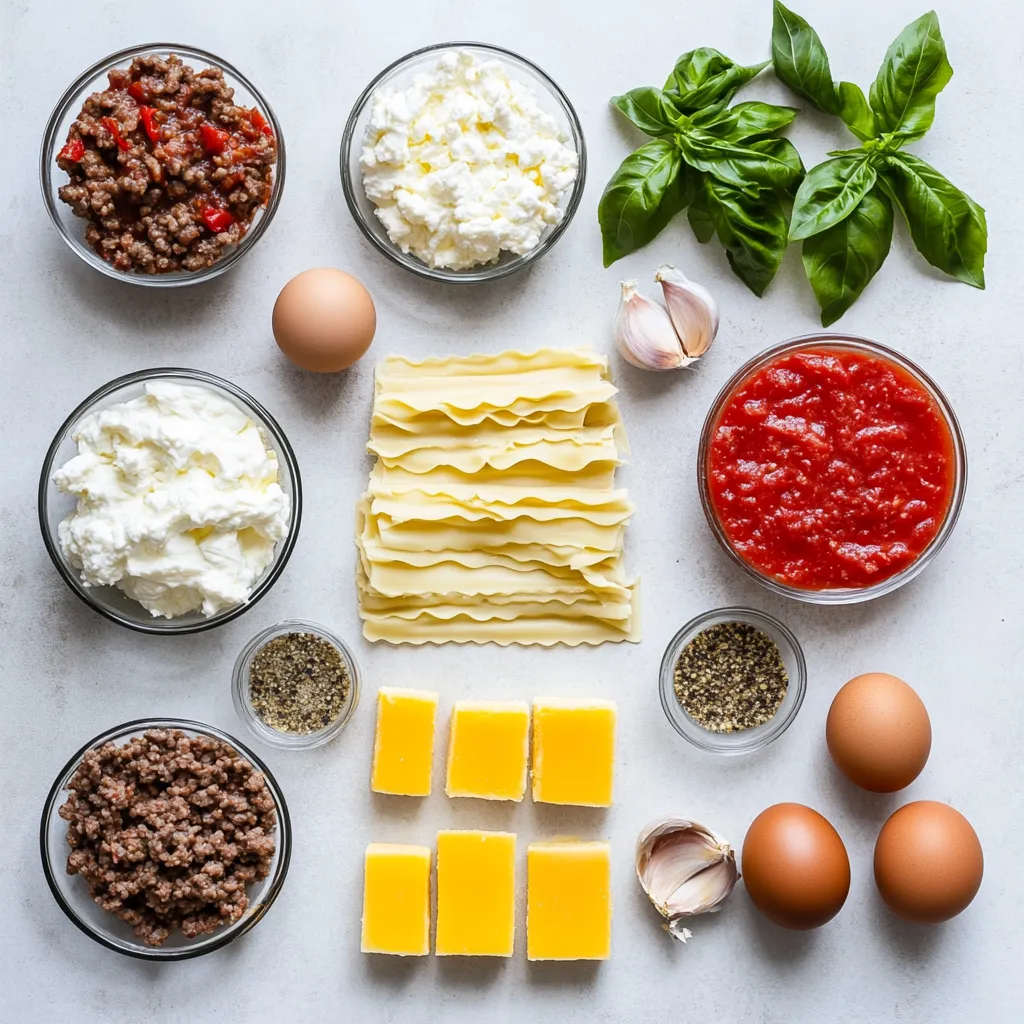
– 12 lasagna noodles
– 2 tablespoons olive oil
– 1 pound ground beef
– 1 pound Italian sausage (casings removed)
– 1 onion, finely chopped
– 3 cloves garlic, minced
– 1 can (28 ounces) crushed tomatoes
– 2 cans (6 ounces each) tomato paste
– 2 teaspoons dried basil
– 1 teaspoon dried oregano
– Salt and black pepper to taste
– 15 ounces ricotta cheese
– 1 egg
– 3 cups shredded mozzarella cheese
– 1 cup grated Parmesan cheese
– Fresh basil leaves for garnish (optional)
Instructions
1. Preheat the Oven: Set your oven to 375°F (190°C) to preheat while you prepare the lasagna.
2. Cook the Noodles: In a large pot, bring salted water to a rolling boil. Add the lasagna noodles and cook according to the package instructions until they are just al dente. Once cooked, drain the noodles and lay them flat on a clean kitchen towel to avoid sticking together.
3. Prepare the Meat Sauce: Heat olive oil in a large skillet over medium heat. Add the ground beef and Italian sausage, cooking until browned and crumbly. Introduce the finely chopped onion and minced garlic, sautéing for about 3-4 minutes until the onion is translucent and fragrant.
4. Incorporate Tomatoes and Seasoning: Pour in the crushed tomatoes and tomato paste. Sprinkle in the dried basil, oregano, salt, and black pepper. Allow the mixture to simmer for approximately 20 minutes, stirring occasionally, until the sauce thickens and flavors meld together.
5. Mix the Ricotta Filling: In a medium mixing bowl, blend the ricotta cheese with the egg, adding a pinch of salt and pepper. Stir until the mixture is smooth and well combined.
6. Assemble the Lasagna: In a 9×13 inch baking dish, start by spreading a thin layer of the meat sauce at the bottom. Place 4 lasagna noodles over the sauce. Spread half of the ricotta mixture on top of the noodles, followed by a third of the shredded mozzarella cheese and a layer of meat sauce. Repeat this layering process: noodles, ricotta, mozzarella, and sauce. Finish with a final layer of noodles topped with the remaining meat sauce and sprinkle the remaining mozzarella and grated Parmesan cheese on top.
7. Bake the Lasagna: Cover the baking dish with aluminum foil, ensuring the shiny side is facing down to prevent sticking (you may spray the underside with cooking spray for extra assurance). Bake in the preheated oven for 25 minutes. After that, remove the foil and continue to bake for an additional 25 minutes, or until the cheese is bubbly and golden brown.
8. Rest and Serve: Once baked, allow the lasagna to rest for 15 minutes before slicing. This helps the layers set for cleaner cuts. Garnish with fresh basil leaves if desired, and serve warm for a comforting meal.
Preparation Time and Equipment
Recommended Kitchen Equipment
To successfully assemble and bake your Classic Homemade Lasagna, you will need a few essential kitchen tools:
– Large Pot: Ideal for boiling the lasagna noodles.
– Large Skillet: Necessary for sautéing the meat and preparing the sauce.
– 9×13 Inch Baking Dish: Perfect for layering and baking the lasagna.
– Mixing Bowls: Useful for combining the ricotta filling and any other necessary components.
Time Estimates
Preparation and cooking require careful planning for the best results. The prep time for this recipe is about 30 minutes, focusing on chopping, mixing, and layering. The cooking time concludes with an additional 45 minutes spent in the oven, ensuring all flavors meld beautifully.
Preheating the Oven
Importance of Preheating
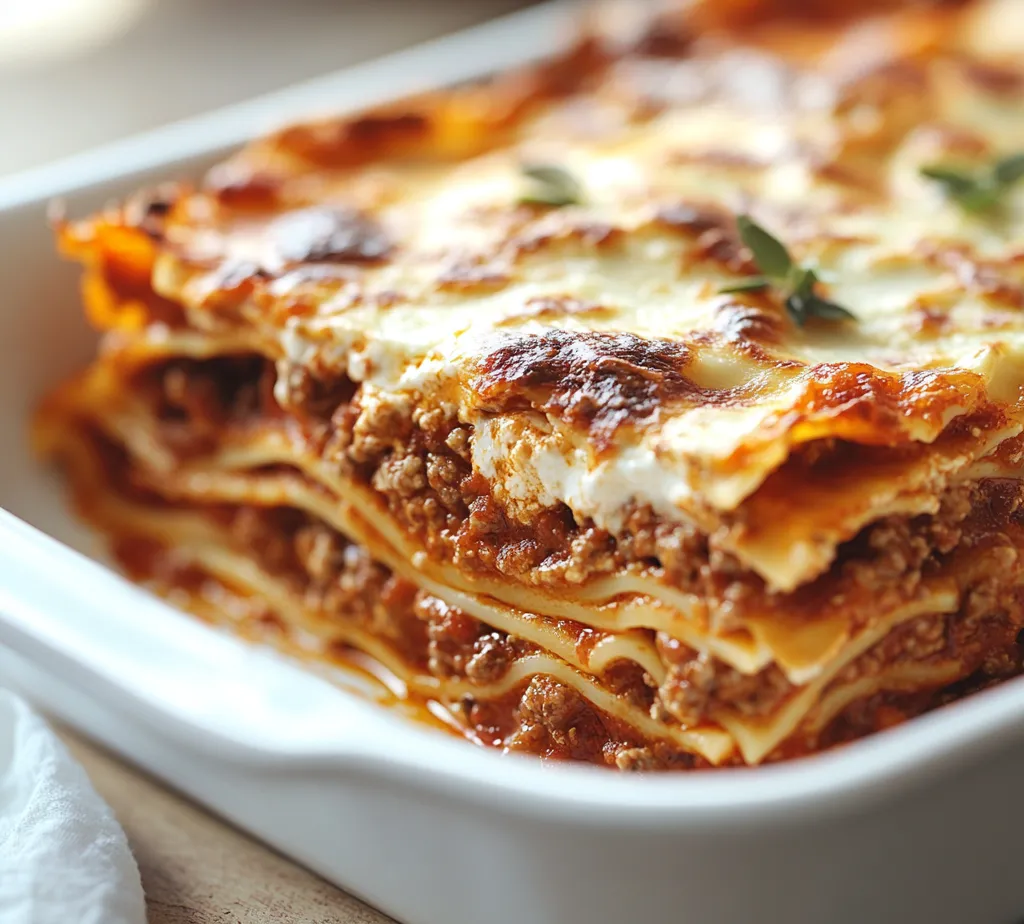
Preheating your oven to 375°F (190°C) is a crucial step in the cooking process. An adequately heated oven guarantees that your lasagna will bake evenly, developing a desirable golden-brown crust on top. Preheating not only contributes to the overall texture but also helps in achieving that exquisite bubbling effect of the cheese and sauce, creating a visually appealing dish. Start preheating as you prepare the other components to ensure everything comes together seamlessly for an impressive homemade lasagna.
Tips for Efficient Preheating
To ensure optimal cooking of your lasagna, it is critical to preheat your oven properly. Place the oven rack in the center before preheating; this allows for even heat distribution, which is essential for cooking your lasagna uniformly from top to bottom. For those seeking an extra layer of precision, consider using an oven thermometer to confirm the accuracy of your oven’s temperature.
Cooking the Noodles
Steps for Perfectly Cooked Noodles
Start by bringing a large pot of salted water to a rolling boil. The salt in the water not only enhances the flavor of the noodles but also helps to prevent them from becoming mushy. Cook the lasagna noodles according to the package instructions, typically until just al dente. This firmness is essential as the noodles will continue to cook in the oven.
Avoiding Sticking
Once the noodles are cooked to perfection, drain them carefully and lay them flat on a clean kitchen towel. This method is advantageous as it prevents the noodles from clumping together, making your layering process smoother and more efficient.
Preparing the Meat Sauce
Sautéing the Meat
In a large skillet heated over medium heat, add the olive oil, followed by the ground beef and Italian sausage. Cook these meats until they reach a browned, crumbly texture. This ensures that the meat blends seamlessly into the sauce and maintains a good structure within the lasagna layers.
Flavor Base with Aromatics
Next, incorporate the finely chopped onion and minced garlic into the skillet. Sauté these aromatics until the onion is translucent and fragrant, roughly 3-4 minutes. This step is vital, as the sweetness of the onions and the pungency of the garlic form the flavor foundation of your sauce, engaging your palate before the richer ingredients are added.
Incorporating Tomatoes and Seasoning
Types of Tomatoes Used
The choice of tomatoes is pivotal. Using a combination of crushed tomatoes and concentrated tomato paste creates a robust sauce that serves as the backbone of the lasagna. The crushed tomatoes add body, while the paste intensifies the sauce’s depth, enhancing the overall flavor profile.
Seasoning for Flavor Enhancement
As you pour in the crushed tomatoes and tomato paste, season the mixture generously with dried basil, oregano, salt, and black pepper. Allow the sauce to simmer for at least 20 minutes. This simmering length is crucial as it facilitates the melding of flavors, creating a sauce that is rich and complex in taste.
Mixing the Ricotta Filling
Achieving a Smooth Texture
In a medium mixing bowl, stir the ricotta cheese together with one egg and a pinch of salt and pepper until smooth. The egg acts as a binding agent, ensuring that the ricotta filling stays together during baking. A smooth consistency is key, as it enables easier spreading during the assembly process.
Alternative Cheese Options
While ricotta cheese is traditional for lasagna, those looking to lighten their dish can consider using cottage cheese as a substitute. Additionally, adding freshly chopped herbs, such as parsley or chives, can elevate the flavor of the ricotta filling, providing a fresh contrast to the rich meat sauce.
Assembling the Lasagna
Layering Process Explained
To create that perfect lasagna structure, begin by spreading a thin layer of the meat sauce across the bottom of your baking dish. Next, arrange four lasagna noodles over the sauce. Follow this with half of the ricotta mixture, spreading it evenly, and then sprinkle a third of the shredded mozzarella over the ricotta. Add another layer of meat sauce on top and repeat the process, creating alternating layers.
Final Layering
To finish, lay down a final layer of noodles topped generously with the remaining meat sauce. Finish off by sprinkling the rest of the mozzarella and a generous amount of grated Parmesan cheese on top. This ensures a beautifully cheesy crust that will delight everyone when served.
Baking the Lasagna
Covering Strategies
When it comes to baking, cover the dish with aluminum foil, making sure the shiny side is facing down to minimize sticking. For additional assurance, a light spray of cooking spray on the underside of the foil can help prevent any cheese from adhering to it.
Baking and Brownness
Initially, bake the lasagna covered for 25 minutes. After this duration, carefully remove the foil and bake for an additional 25 minutes. This method allows the cheese on top to bubble and turn golden brown while the internal layers finish cooking.
Resting and Serving
Importance of Resting Time
Once baked, allowing the lasagna to rest for 15 minutes is essential. This resting period enables the layers to firmly set, resulting in cleaner slices when you serve. Skipping this step often leads to messy portions and potentially soupy layers.
Presentation Tips
To enhance the visual appeal of your dish, serve the lasagna on a rustic wooden board or a vibrant-colored plate. A sprinkle of fresh basil, along with a drizzle of olive oil, can add a final touch of elegance and freshness to the dish. Complementing the lasagna with a simple green salad presents a vibrant, balancing contrast to the hearty central dish.
Scaling the Recipe
If you wish to scale the lasagna up or down, keep in mind that the proportions of ingredients can be adjusted in direct relation to the number of servings desired. For larger gatherings, doubling the recipe allows you to prepare lasagna in two baking dishes. Conversely, if making it for a smaller group, you can reduce the ingredients proportionally while ensuring that the layers remain balanced for flavor and texture.
Storage
Leftover lasagna can be stored covered in the refrigerator for up to four days. Ensure it is completely cooled before refrigerating to maintain its best texture. For long-term storage, consider freezing the lasagna. Wrap it tightly in plastic wrap and aluminum foil or transfer it to a freezer-safe container. Properly stored, lasagna can last up to three months in the freezer.
Reheating
When ready to enjoy your leftovers, reheat the lasagna in the oven for best results. Preheat your oven to 375°F (190°C), cover the dish with foil, and heat for about 25 minutes until warmed through. Alternatively, individual portions can be microwaved on medium settings with a cover to prevent splattering.
Troubleshooting
If you find that your lasagna is too watery, consider simmering your meat sauce for a longer period to allow excess moisture to evaporate. Additionally, ensuring that ricotta is well-mixed without excess liquid can prevent a soggy bottom. Conversely, if the top layer of cheese does not brown, consider broiling for the last few minutes of baking, keeping an eye to avoid burning.
FAQs
What can I substitute for ground beef or sausage?
Using ground turkey or chicken is a leaner alternative that still provides great flavor.
Can I use oven-ready lasagna noodles?
Yes, oven-ready lasagna noodles can be used; however, reduce the sauce slightly to compensate for the moisture they absorb while cooking.
How do I know when my lasagna is done?
Your lasagna is done when the cheese is bubbly and golden brown, and the internal temperature reaches at least 165°F (74°C).
Is it necessary to use fresh basil for garnish?
Not specified in the recipe; however, fresh basil can significantly enhance flavor but is optional for those who prefer simplicity.
Conclusion
Classic homemade lasagna is a delightful combination of flavors, with layers of rich meat sauce, creamy ricotta, and gooey mozzarella forming a comforting dish that appeals to many palates. The baking process ensures a beautifully bubbling top and a hearty bottom layer that holds up well after resting. This dish not only satiates hunger but also reflects the warmth of shared meals.
Classic Homemade Lasagna Recipe
Ingredients
- 12 pieces lasagna noodles
- 2 tablespoons olive oil
- 1 pound ground beef
- 1 pound Italian sausage
- 1 piece onion finely chopped
- 3 cloves garlic minced
- 28 ounces crushed tomatoes
- 12 ounces tomato paste
- 2 teaspoons dried basil
- 1 teaspoon dried oregano
- to taste salt and black pepper
- 15 ounces ricotta cheese
- 1 piece egg
- 3 cups shredded mozzarella cheese
- 1 cup grated Parmesan cheese
- to taste fresh basil leaves for garnish
Instructions
- Preheat the oven to 375°F (190°C).
- Cook the lasagna noodles in salted boiling water until al dente, then drain and lay flat.
- Heat olive oil in a skillet, add ground beef and sausage, and cook until browned.
- Add onion and garlic, sauté until onion is translucent.
- Stir in crushed tomatoes, tomato paste, basil, oregano, salt, and pepper; simmer for 20 minutes.
- Mix ricotta cheese with egg, salt, and pepper until smooth.
- In a baking dish, layer meat sauce, noodles, ricotta, and mozzarella; repeat layers.
- Top with remaining meat sauce, mozzarella, and Parmesan cheese.
- Cover with foil and bake for 25 minutes, then remove foil and bake for another 25 minutes.
- Let rest for 15 minutes before serving, garnished with fresh basil.