

Introduction
The festive season invites warm gatherings where flavor and comfort take center stage, and what better way to enhance these celebrations than with a delightful sangria? This article introduces two enticing variations of winter sangria: a rich and bold red wine sangria alongside a bright and refreshing white wine sangria. Each recipe brings a beautiful balance of festive ingredients, ensuring that both options will appeal to a diverse set of palates, making them perfect for holiday parties, cozy family dinners, or simply enjoying a quiet evening at home.
With the melding of fruits, aromatic spices, and the pleasing effervescence from sparkling additions, these sangrias not only taste excellent but also add a visually appealing centerpiece to your gatherings. Serve them in elegant wine glasses, perhaps garnished with additional fruit slices or a garnish, and watch as they become a highlight of your festive spread.
Recipe Overview
– Total Time: 2 hours (plus chilling time)
– Prep Time: 15 minutes
– Servings: 8-10
– Difficulty: Not specified in the recipe
Ingredients
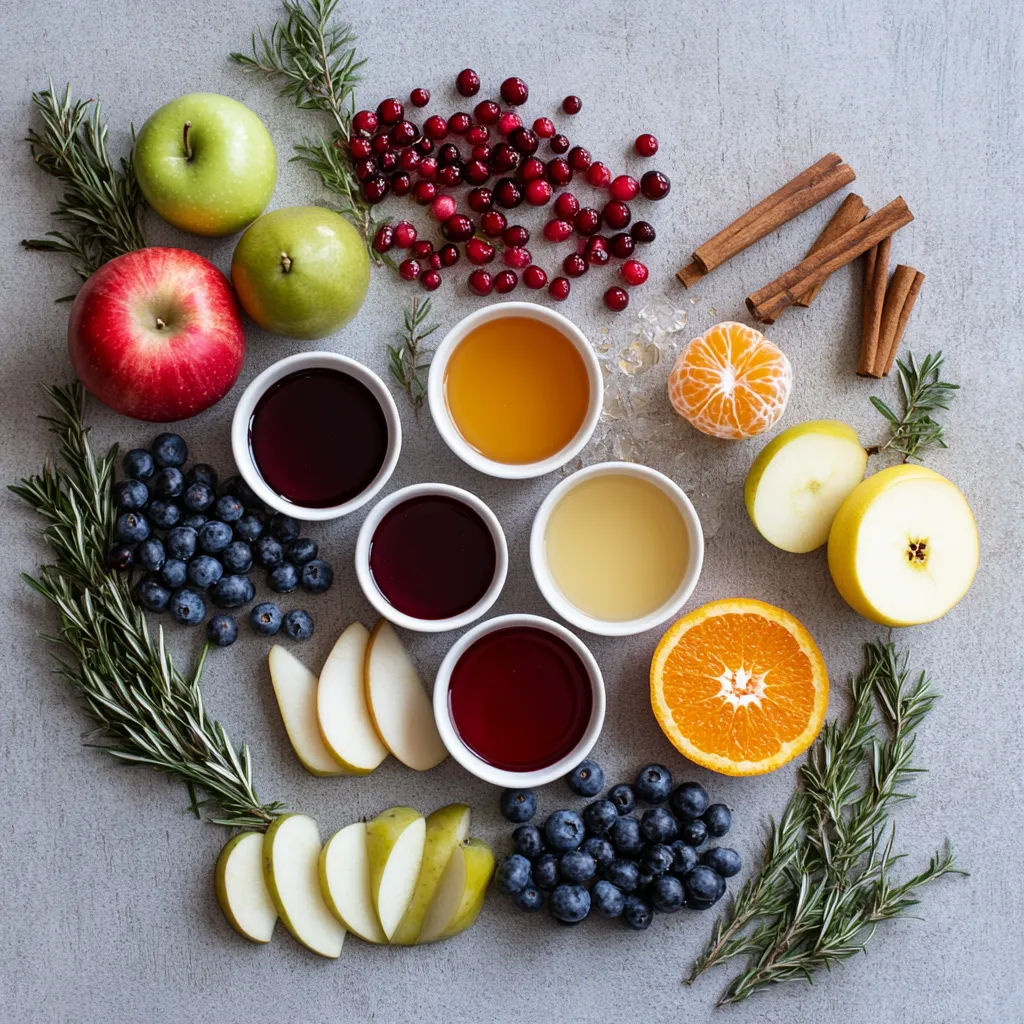
Ingredients for the Red Wine Sangria:
– 1 bottle of red wine (choose Merlot or Cabernet Sauvignon)
– 1 cup of brandy
– 1/2 cup of orange-flavored syrup
– 1/4 cup of maple syrup
– 1 cup of pomegranate juice
– 1 orange, thinly sliced
– 1 apple, cored and chopped into bite-sized pieces
– 1 cup of fresh cranberries
– 2 cinnamon sticks
– 2 cups of sparkling water or ginger ale (for a bubbly finish)
Ingredients for the White Wine Sangria:
– 1 bottle of white wine (opt for Sauvignon Blanc or Pinot Grigio)
– 1 cup of elderflower syrup
– 1/4 cup of honey
– 1 cup of apple cider
– 1 lemon, thinly sliced
– 1 pear, cored and diced
– 1 cup of fresh blueberries
– 2 sprigs of fresh rosemary
– 2 cups of club soda (for a refreshing fizz)
Instructions
For the Red Wine Sangria:
1. In a large pitcher, pour in the red wine, brandy, orange-flavored syrup, maple syrup, and pomegranate juice. Stir thoroughly to ensure all ingredients are well mixed.
2. Gently fold in the sliced orange, chopped apple, fresh cranberries, and the cinnamon sticks. Stir carefully to avoid breaking the fruit.
3. Cover the pitcher and refrigerate for at least 2 hours, or overnight if you prefer a richer flavor.
4. Right before serving, add the sparkling water or ginger ale to introduce a delightful fizz. Serve over ice in your favorite glasses.
For the White Wine Sangria:
1. In another large pitcher, combine the white wine, elderflower syrup, honey, and apple cider. Stir until the honey is completely dissolved into the mixture.
2. Add the sliced lemon, diced pear, fresh blueberries, and sprigs of rosemary to the pitcher. Mix gently to incorporate all the ingredients.
3. Chill the sangria in the refrigerator for at least 2 hours, or overnight for a more intensified flavor.
4. Just before serving, mix in the club soda for a bubbly sensation and pour over ice.
Equipment Needed
When preparing these festive winter sangrias, having the right tools at your disposal can make the process smoother and more enjoyable. You will need:
– Pitchers: Large enough to hold all the ingredients for each sangria mixture. A decorative pitcher can also enhance the presentation during gatherings.
– Mixing Utensils: A large spoon for thorough stirring to ensure all the flavors are well-distributed.
– Refrigeration: Adequate refrigerator space is necessary to chill the mixtures effectively before serving.
Chilling and Serving
Chilling is a crucial part of preparing both variations of sangria, as it allows the flavors to meld beautifully. The recommended chilling time is a minimum of 2 hours but can be extended overnight for an even deeper flavor profile. The key is to ensure that the sangria is well-cold before serving, enhancing not only the taste but also the refreshing quality of the drink.
When it’s time to serve, pouring the sangria over ice not only keeps the drinks cool but also adds a delightful crunch to each sip. For added flair, consider serving the sangrias in elegant wine glasses that showcase the vibrant colors of the fruits and liquids, providing an attractive visual aspect that complements the flavors.
Red Wine Sangria Preparation
The preparation of the red wine sangria is a straightforward yet gratifying process, combining rich flavors that scream indulgence. Begin by gathering all the ingredients to create a harmonious mixture.
Combining Ingredients
Start by pouring the chosen red wine into a large pitcher, then carefully add the brandy, orange-flavored syrup, maple syrup, and pomegranate juice. Stir these primary liquids thoroughly to ensure that they blend seamlessly. It’s essential to incorporate the syrups well, as they add a delightful sweetness that balances the bold flavors of the wine and brandy.
Adding Fresh Elements
Once the base is well-mixed, gently fold in the sliced orange, chopped apple, fresh cranberries, and cinnamon sticks into the pitcher. Take care while stirring to maintain the structure of the fresh fruits, as this not only preserves the visual appeal but also allows each piece to infuse its flavor into the sangria without breaking apart.
Chilling Time
After preparing your mixture, cover the pitcher and transfer it to the refrigerator. The chilling time is recommended for at least 2 hours, which allows the flavors to meld beautifully. If time permits, letting it chill overnight will result in an even more intensified flavor. This patience will pay off as the aromas develop and enhance your overall sangria experience.
Serving Suggestions
When it’s time to serve, add the sparkling water or ginger ale to the pitcher just before pouring into glasses. This bubbly addition brings a refreshing effervescence that elevates the entire drink. Serve the sangria over ice in your favorite glasses, and consider garnishing with extra slices of fruit or a sprinkle of pomegranate seeds on top for a festive touch.
White Wine Sangria Preparation
The preparation process for the white wine sangria boasts a refreshing simplicity that mirrors the lightness of the flavor. Similar to the red sangria, it begins with careful assembly.
Combining Ingredients
In a separate large pitcher, combine the white wine with elderflower syrup, honey, and apple cider. Stir the mixture until the honey has fully dissolved, ensuring its sweetness is evenly distributed throughout the sangria. This step is critical as it enhances the floral notes that are characteristic of elderflower syrup.
Adding Fresh Elements
After our base is prepared, it’s time to enhance the mixture with fresh components. Add the sliced lemon, diced pear, fresh blueberries, and the sprigs of rosemary to the pitcher. Use a gentle stirring motion to incorporate these components, ensuring that each fruit pieces adds its unique burst of flavor without damaging them.
Chilling Time
Just like the red variety, this sangria also benefits from a cooling period. Refrigerate the mixture for a minimum of 2 hours, or preferably overnight. This allows all the ingredients to infuse together effectively, creating a well-balanced and refreshing drink ready to impress your guests.
Serving Suggestions
Right before serving, mix in the club soda to add a fizzy finish to the vibrant drink. Pour over ice and enjoy the refreshing sensation that comes from each sip of this bright, zesty white wine sangria. For an extra touch, garnishing with additional lemon slices or fresh rosemary sprigs can create a stunning visual effect in your serving glasses.
Mixing the Base Ingredients
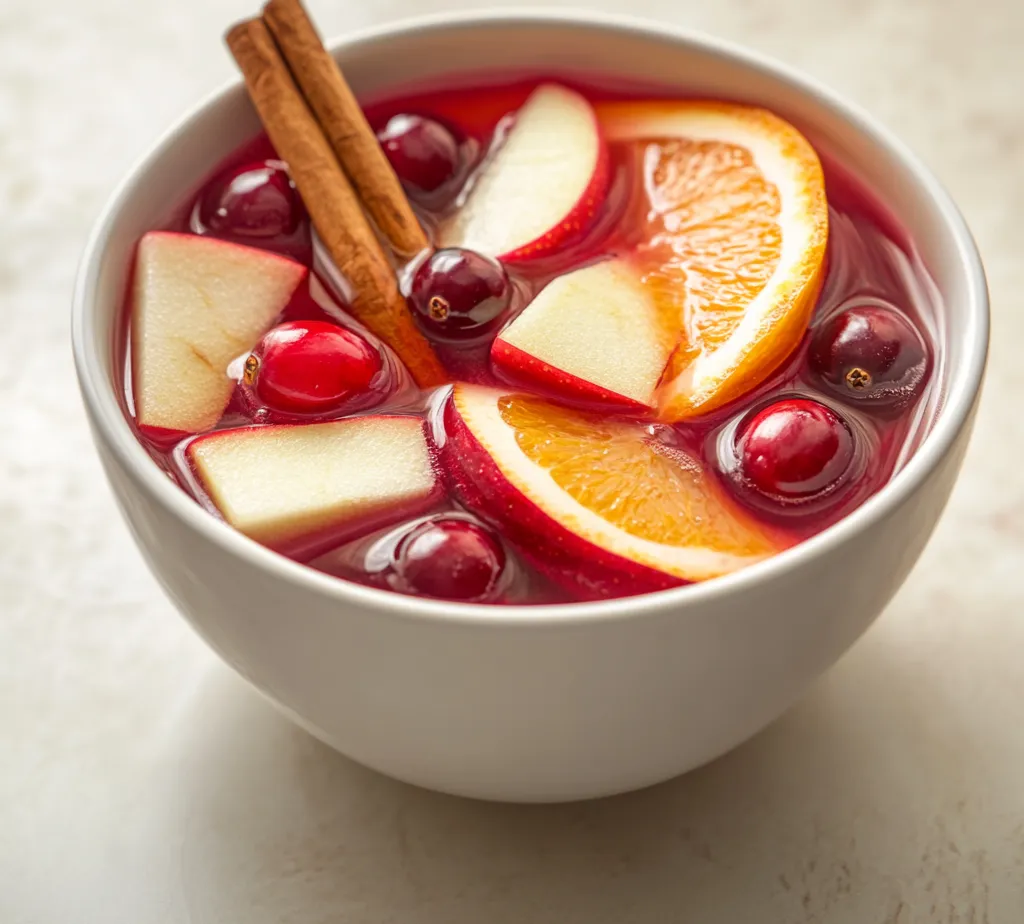
Combining the right components is essential when crafting a refreshing white wine sangria. Begin with a bottle of white wine, such as Sauvignon Blanc or Pinot Grigio, as these varieties offer delicate flavors that can enhance the overall profile of your drink. Pour this wine into a large pitcher, ensuring the vessel is spacious enough to accommodate additional ingredients.
Next, the addition of elderflower syrup, honey, and apple cider brings depth to your base. For an enjoyable consistency, it’s crucial to thoroughly mix these components. A gentle stir will typically suffice, but to fully incorporate the honey, consider whisking lightly until it dissolves completely. This not only ensures sweetness throughout the sangria but also lets the floral notes of the elderflower come forward in your drink.
Incorporating Fresh Ingredients
Fruits and herbs represent the heart of any successful sangria, and in the case of white wine sangria, they add both visual appeal and flavorful complexity. Begin this process by carefully adding sliced lemons, diced pears, fresh blueberries, and sprigs of rosemary directly into your wine mixture.
When mixing these fresh ingredients into the sangria, it’s vital to handle them gently. Too vigorous a stir may risk breaking the fruits or bruising the herbs, which can lead to a muddied flavor profile. Instead, turn to a gentle folding motion to ensure the ingredients intermingle while maintaining their integrity, allowing each fruit and herb to infuse its unique essence into the drink.
Chilling Recommendations
After preparing your sangria, chilling it becomes a critical step to achieving the best flavor. The recommended chilling time is at least two hours, which allows the flavors to meld beautifully. However, for those who desire an even richer taste, consider letting the sangria rest in the refrigerator overnight. The extended chilling time allows for the essence of the fruits and herbs to permeate the wine, creating a more harmonious blend.
Serving Presentation
Before serving, the addition of club soda is essential for introducing a refreshing fizz to your white wine sangria. Pour the soda gently into the pitcher to preserve some of the carbonation, creating a delightful effervescence that elevates the drink’s lightness.
When it comes to presentation, glassware plays a crucial role. Elegant stemless wine glasses or traditional wine goblets can enhance the drinking experience, allowing the sangria’s vibrant colors to shine through. For garnishing, consider adding extra lemon slices or even a sprig of rosemary to each glass, both of which can visually communicate the freshness within the drink and provide a subtle aromatic hint just before taking a sip.
Flavor Profile of Red Wine Sangria
The red wine sangria is characterized by a robust flavor profile that beautifully melds fruitiness, spice, and sweetness. The choice of red wine, such as Merlot or Cabernet Sauvignon, provides a rich, bold base. The pomegranate juice introduces a tartness that is offset by the warmth of cinnamon sticks, allowing a comforting depth to emerge with each sip.
Tasting Notes
As you take a taste, notice the balance of fruitiness from the apples and oranges, which dances alongside the subtle sweetness imparted by the orange-flavored syrup and maple syrup. The cinnamon introduces warm aromatic touches that envelop the taste buds, making each sip feel both familiar and comforting, ideal for the cozy winter months.
Seasonal Pairings
For a complete experience, the red wine sangria can be paired with a range of seasonal foods. Imagine serving it alongside roasted meats, hearty stews, or even a charcuterie board laden with cured meats, cheeses, and seasonal fruits. The warmth and complexity of the sangria amplify these dishes, making them perfect for gatherings or holiday celebrations.
Flavor Profile of White Wine Sangria
The white wine sangria offers a refreshing contrast to its red counterpart, adopting a lighter, more vibrant character. The floral notes from the elderflower syrup and the herbal essence of rosemary create an aromatic experience that is both uplifting and delightful.
Tasting Notes
The combination of Sauvignon Blanc or Pinot Grigio as the wine base results in a crisp and clean mouthfeel. The tartness of the blueberries and the zesty brightness from the lemon slices introduce fresh layers, while the honey and apple cider provide natural sweetness, creating an ideal balance that excites the palate.
Seasonal Pairings
When discussing the ideal foods to accompany white wine sangria, lighter fare typically comes to mind. Dishes such as shrimp cocktails, grilled chicken salads, or fruit and cheese platters fit seamlessly into this culinary pairing. The refreshing quality of the sangria makes it an excellent choice for outdoor events or festive gatherings during warmer winter days.
Visual Appeal and Presentation Tips
Presentation is a vital aspect of enjoying sangrias, as the visual component can elevate the experience to another level.
Glassware Choices
When choosing glassware, consider utilizing elegant wine glasses or even mason jars for a rustic touch. The choice of glass can greatly impact the overall experience, as certain shapes and styles promote better aroma and flavor perception.
Garnishing Tips
For garnishing, creativity can shine. Include additional slices of fruit such as oranges or lemons, and for the red sangria, a sprinkle of pomegranate seeds can enhance the look while adding a pop of color and texture. Fresh herbs like rosemary not only complement the flavor but also add an aromatic aspect that will tantalize the senses even before the first sip.
Adaptations for Dietary Preferences
In terms of dietary preferences, both sangrias can be modified to suit a variety of needs.
Non-Alcoholic Versions
For those who prefer a non-alcoholic option, simply substitute the wines with non-alcoholic wine or sparkling juices. For a refreshing white version, a combination of sparkling apple cider and fruit juices can yield a similar festive feel without the alcohol content. The red sangria can be recreated using grape juice or a mix of similar flavored sodas, preserving the flavors while accommodating non-drinkers.
Sweetener Alternatives
If you’re seeking to reduce sugar content, consider natural sweetener alternatives such as agave nectar or stevia in place of honey or syrups. These substitutes can alter the flavor profile slightly but maintain the innate sweetness that sangrias are known for.
Final Thoughts on Enjoying the Sangrias
Both variations of sangria provide unique tasting experiences that cater to different preferences. The red wine sangria is a warm comfort drink, while the white wine sangria embodies a refreshing lightness, making them excellent choices for various occasions. While preparation takes a bit of time, allowing the flavors to develop through chilling will ultimately reward you with a delightful addition to any winter gathering.
Festive Winter Sangria: Two Delightful Variations
Ingredients
- 1 bottle red wine Merlot or Cabernet Sauvignon
- 1 cup brandy
- ½ cup orange-flavored syrup
- ¼ cup maple syrup
- 1 cup pomegranate juice
- 1 orange thinly sliced
- 1 apple cored and chopped
- 1 cup fresh cranberries
- 2 cinnamon sticks
- 2 cups sparkling water or ginger ale
- 1 bottle white wine Sauvignon Blanc or Pinot Grigio
- 1 cup elderflower syrup
- ¼ cup honey
- 1 cup apple cider
- 1 lemon thinly sliced
- 1 pear cored and diced
- 1 cup fresh blueberries
- 2 sprigs fresh rosemary
- 2 cups club soda
Instructions
- For the Red Wine Sangria, combine red wine, brandy, orange-flavored syrup, maple syrup, and pomegranate juice in a pitcher.
- Fold in sliced orange, chopped apple, cranberries, and cinnamon sticks gently.
- Cover and refrigerate for at least 2 hours or overnight.
- Before serving, add sparkling water or ginger ale and serve over ice.
- For the White Wine Sangria, mix white wine, elderflower syrup, honey, and apple cider in another pitcher.
- Stir until honey is dissolved, then add sliced lemon, diced pear, blueberries, and rosemary.
- Chill for at least 2 hours or overnight.
- Mix in club soda just before serving and pour over ice.