
Introduction
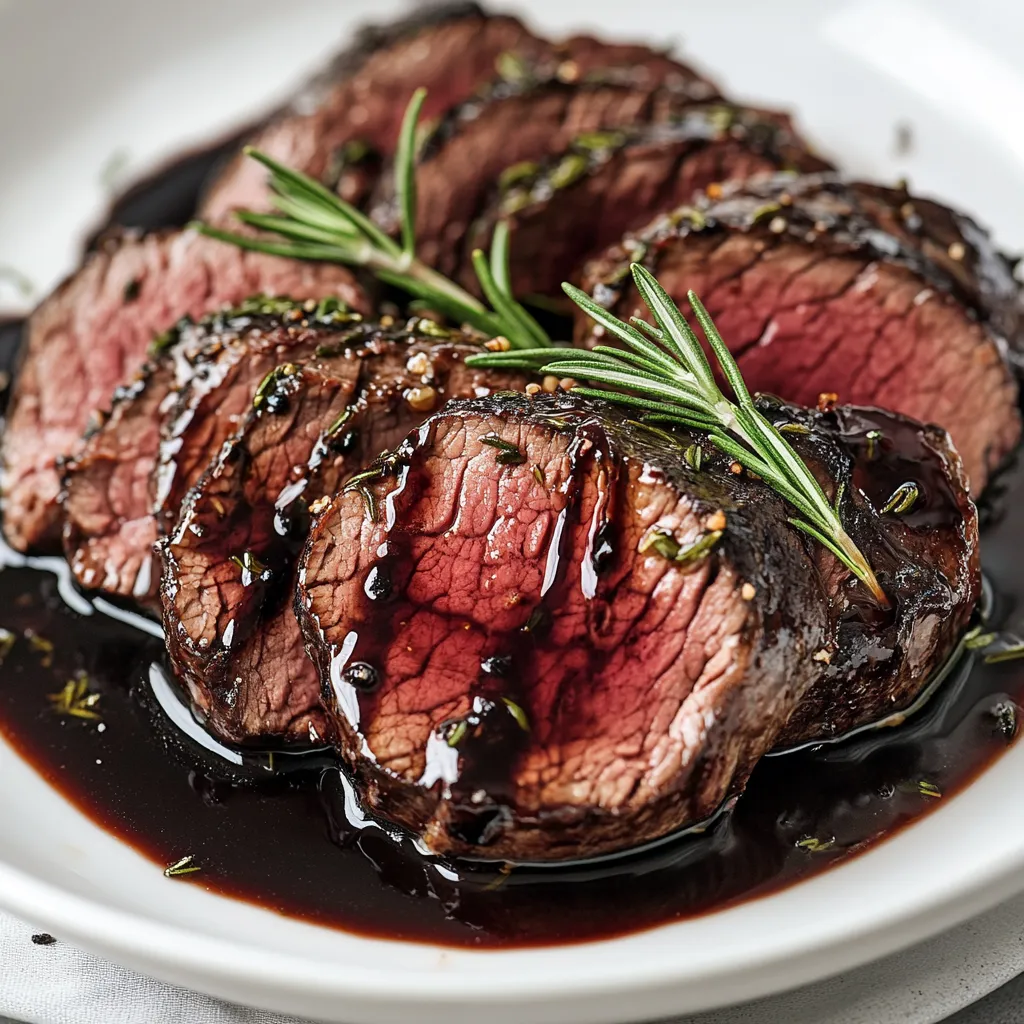
The art of preparing a perfectly cooked beef tenderloin is an exquisite culinary skill that transforms a simple cut of meat into a stunning centerpiece for any occasion. This Garlic and Rosemary Infused Beef Tenderloin recipe showcases not just the tender texture of the beef, but also the fragrant infusion of garlic and rosemary that makes each bite a delightful experience. Rich in flavor, this dish is enhanced by a marinade that marries the aromatic properties of garlic and the earthy essence of rosemary, creating a robust flavor profile that elevates the beef to new culinary heights.
Whether for a special family gathering, an elegant dinner party, or simply to indulge in a heartwarming meal at home, this tenderloin dish is sure to impress. The balance of the savory garlic, the herbaceous rosemary, and the acidity of balsamic vinegar brings a depth to the dish that aligns perfectly with seasonal sides. In this article, we will explore every aspect of creating this mouthwatering dish, from the selection of ingredients to expert tips for achieving the best flavor and presentation.
Recipe Overview
Discover the essence of this delectable dish, which boasts a harmonious blend of flavors, making it perfect for special gatherings or a cozy family dinner. The beef tenderloin is marinated to perfection, seared to achieve a golden crust, and then roasted to retain its juiciness. Here’s a complete breakdown of what to expect:
– Total Time: 1 hour
– Prep Time: 30 minutes
– Servings: 6
– Difficulty: Not specified in the recipe.
Cooking Method
– Marination for enhanced flavor: The tenderloin is generously coated in a garlic and rosemary marinade, enhancing its succulent taste.
– Searing for a golden crust: A hot skillet sears the beef to lock in juices while creating an appetizing crust.
– Roasting for optimal doneness: The tenderloin is roasted in the oven to reach the desired level of doneness.
Serving Suggestions
– Ideal for holiday feasts: This elegant dish offers a stunning presentation and is ideal for celebratory meals.
– Pairing with sides and sauces: The beef pairs wonderfully with seasonal vegetables, roasted potatoes, or any savory accompaniments that complement its rich flavors.
Nutritional Information
Not specified in the recipe.
Ingredients
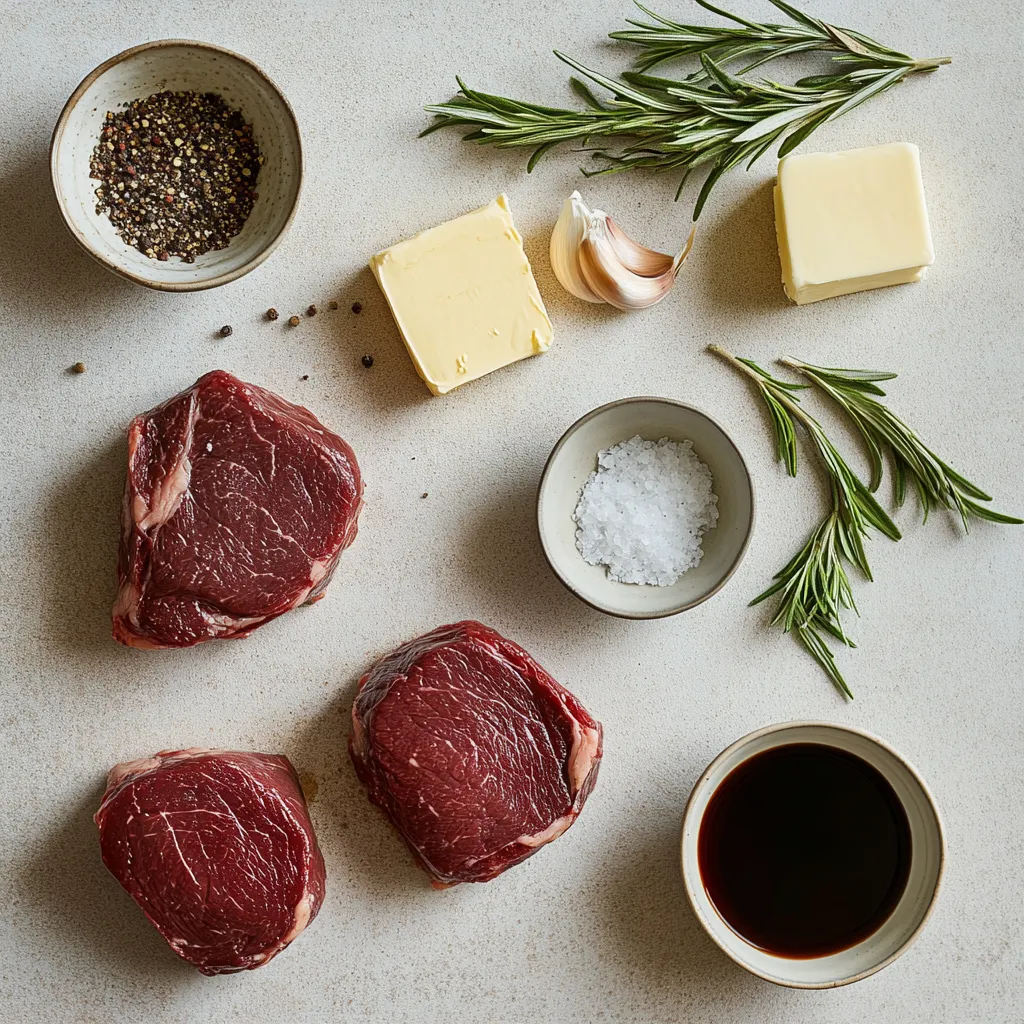
A detailed look into each component that contributes to the dish’s rich flavor profile and tender texture.
– 2 lbs beef tenderloin, trimmed of excess fat
– 4 cloves garlic, finely minced
– 2 tablespoons fresh rosemary, finely chopped
– 2 tablespoons extra-virgin olive oil
– 1 teaspoon sea salt
– 1/2 teaspoon freshly ground black pepper
– 1 tablespoon Dijon mustard
– 1 tablespoon balsamic vinegar
– 2 tablespoons unsalted butter
– Fresh rosemary sprigs for garnish (optional)
Beef Tenderloin
Beef tenderloin, recognized for its tender and buttery texture, is a sought-after cut that serves as an excellent canvas for flavors. When selecting your beef tenderloin, choosing a high-quality cut with good marbling is essential, as it influences the meat’s succulence and taste. This cut typically showcases unblemished meat with minimal fat, enhancing its refined nature.
Garlic
Garlic plays a pivotal role in this dish, infusing its distinctive flavor profile into the beef. When properly minced, garlic releases oils that enhance the overall taste of the marinade, making every bite aromatic and flavorful. When preparing garlic, ensure that it is minced finely to maximize its flavor distribution throughout the marinade, avoiding larger chunks that may overpower certain bites.
Rosemary
Fresh rosemary is the herb of choice in this recipe due to its ability to brighten and elevate the flavors of the beef. Differing from dried rosemary, fresh rosemary offers a more aromatic flavor and a delightful texture that enhances the dish’s overall sensory experience. Not only does rosemary provide a characteristic taste, but it is also associated with various health benefits, including antioxidant and anti-inflammatory properties.
Olive Oil
Using extra-virgin olive oil in this recipe serves multiple purposes. Not only does it act as a medium for the marinade, helping to bind the flavors together, but it also imparts richness to the dish. Extra-virgin olive oil is known for its high-quality taste and health benefits, including heart-healthy fats. It plays a crucial role in ensuring that the beef tenderloin remains moist during the cooking process.
Seasoning Elements
The combination of sea salt, freshly ground black pepper, Dijon mustard, and balsamic vinegar rounds off the flavor of the marinade beautifully. Sea salt brings out the natural flavors of the beef, while the pepper offers a hint of spice. Dijon mustard adds depth and tang, enhancing the richness of the meat, while balsamic vinegar introduces a sweet acidity that complements the savory elements.
Butter
Unsalted butter is a staple in this recipe for its ability to enhance flavor without adding additional salt. When melted in a hot skillet, butter creates a luxurious base for searing, enabling the beef tenderloin to develop that coveted golden-brown crust. This critical step not only aids in flavor development but also contributes to the overall texture of the dish.
Instructions
1. Begin by preheating your oven to 400°F (200°C) to prepare for roasting.
2. In a mixing bowl, combine the minced garlic, chopped rosemary, olive oil, sea salt, black pepper, Dijon mustard, and balsamic vinegar. Stir until well blended to create a flavorful marinade.
3. Generously rub this marinade over the entire surface of the beef tenderloin, ensuring it is thoroughly coated. For the best flavor, allow the beef to marinate at room temperature for at least 30 minutes, or for a more intense flavor, refrigerate it for up to 4 hours.
4. Heat a large oven-safe skillet over medium-high heat and add the unsalted butter. Once the butter is melted and bubbling, carefully add the beef tenderloin. Sear each side for approximately 2-3 minutes, or until a rich, golden-brown crust forms.
5. After searing, transfer the skillet with the beef into the preheated oven. Roast the tenderloin for 20-25 minutes for a medium-rare finish, or until the internal temperature reaches 130°F (54°C). Adjust the roasting time according to your desired level of doneness.
6. Once done, carefully remove the skillet from the oven and let the tenderloin rest for 10-15 minutes. This resting period is crucial as it allows the juices to redistribute, ensuring each slice is juicy and tender.
7. Slice the rested beef tenderloin into 1-inch thick medallions. If desired, garnish with fresh rosemary sprigs for an elegant touch, and serve alongside your favorite accompaniments.
Marinating the Beef
Marinating the beef tenderloin is crucial in preparing this dish as it infuses the meat with robust flavors. Start by mixing the marinade ingredients, ensuring a proper blend that will envelop the tenderloin. Best practices involve allowing it to sit in the marinade for at least 30 minutes to maximize flavor absorption. For optimal results, refrigerating the marinated beef can enhance the flavors even more.
Preparing the Marinade
The garlic, rosemary, olive oil, and other ingredients come together to create a marinade that is both aromatic and savory. Making sure these ingredients are well combined is key; this not only enhances the flavor but also ensures an even coating on the beef when rubbed over it.
Searing the Tenderloin
This critical step gives the beef its delicious crust. To achieve a beautiful sear, preheat the skillet until it reaches a high temperature, then add the butter and allow it to melt. Carefully sear each side of the tenderloin for 2-3 minutes. This technique develops a deep, flavorful crust that seals in the juices, resulting in a perfectly cooked tenderloin.
Searing Technique
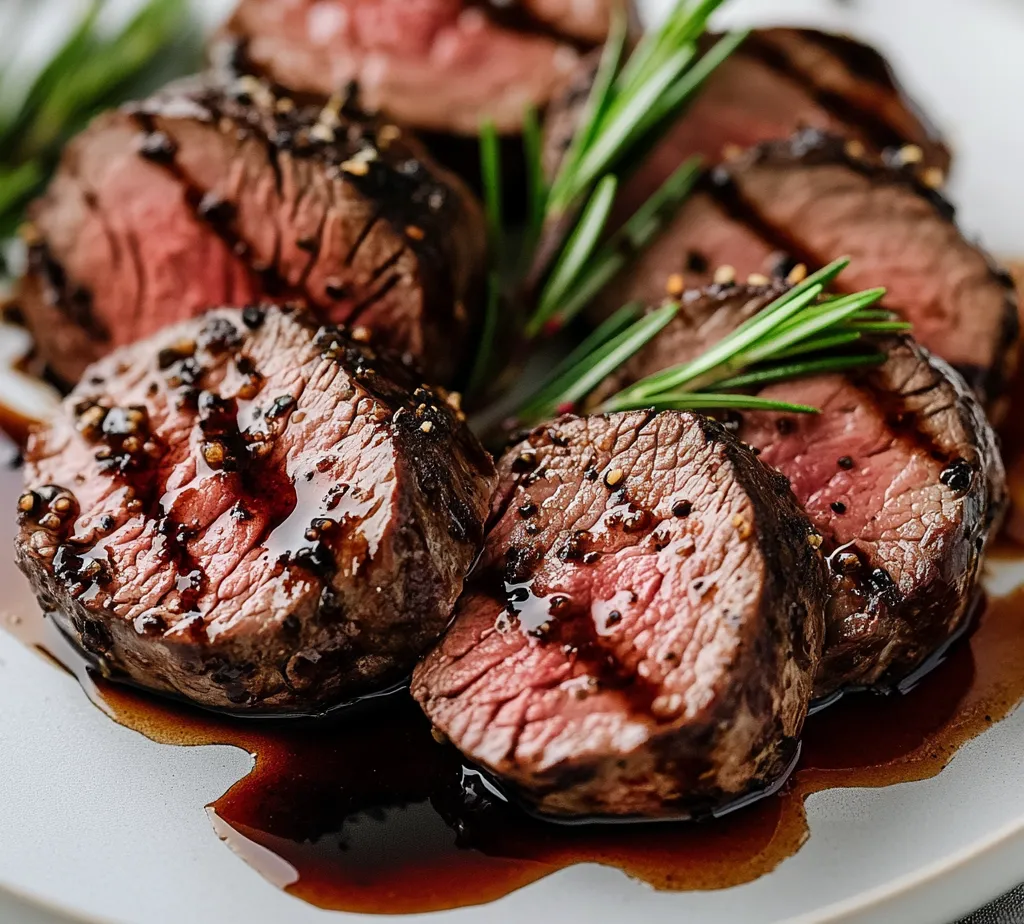
To achieve the perfect sear on your beef tenderloin, heat the skillet over medium-high heat until it is hot enough to create a lovely crust. Proper searing requires that the meat comes into contact with the hot skillet, so be sure not to overcrowd the pan if you’re using a larger cut. Carefully place the tenderloin in the skillet and let it sit undisturbed for about 2-3 minutes on each side.
Recognizing the ideal crust is key. Look for dark brown edges that indicate caramelization, which will enhance the overall flavor of your dish. If you try to flip the meat too early, you might tear the crust. A good rule of thumb is that once the meat naturally releases from the skillet, it’s time to flip it.
Roasting the Tenderloin
The roasting step is essential for evenly cooking the beef tenderloin and achieving the desired level of doneness. When transferred to the oven, the outside continues to cook while the heat permeates the center, enhancing flavor and tenderness.
Oven Preheating
Oven preheating is crucial when roasting meats. An adequately preheated oven ensures that the thighs of the tenderloin cook evenly and thoroughly. Always set your oven to 400°F (200°C) before placing the beef inside for optimal results.
Timing for Different Doneness Levels
Cooking times can vary based on the thickness of the tenderloin and the oven’s efficiency. To guide you on timing, consider these benchmarks:
– Medium-rare: Roast for about 20-25 minutes or until the internal temperature reaches 130°F (54°C).
– Medium: Cook until the internal temperature reaches 140°F (60°C), usually requiring an additional 5-10 minutes.
– Well-done: For those preferring a well-cooked piece, aim for an internal temperature of 160°F (71°C), which may need 10-15 minutes more.
Use a meat thermometer to accurately check the internal temperature. Insert it into the thickest part of the meat, avoiding the bone or fat, for the most precise reading.
Resting the Beef
Resting your beef tenderloin is a crucial step, often overlooked by home cooks. It allows the juices to redistribute throughout the meat, resulting in slices that are not only juicy but also flavorful.
Importance of Resting
If you skip resting, the juices will run out when you slice the meat, leading to dry and less flavorful portions. For beef tenderloin, an ideal resting time is 10-15 minutes post-roasting.
Tips for Resting Properly
To rest properly, loosely cover the tenderloin with aluminum foil. This method retains warmth without continuing to cook the meat. Ensure the tenderloin is kept on a warm surface or near a preheated oven to maintain temperature without overcooking.
Slicing the Beef
Correct slicing techniques will ensure that your beef tenderloin not only looks beautiful on the platter but also maintains its optimal texture.
Slicing Technique
When it’s time to slice, position the tenderloin on a cutting board. Use a sharp knife to make clean cuts, starting at one end and slicing against the grain. For the best presentation and mouthfeel, aim for medallions that are about 1-inch thick. This thickness showcases the marbling and allows for easy enjoyment.
Presentation Tips
For an elegant presentation, consider garnishing with fresh rosemary sprigs. This adds a pop of color and enhances the aromatic experience. Use a warm serving dish to serve your medallions, and consider arranging the slices artfully in a fan shape for visual appeal.
Suggested Accompaniments
Pairing your beef tenderloin with complementary sides elevates the overall dining experience.
Seasonal Vegetables
Roasted or sautéed seasonal vegetables can offer a wonderful contrast to the richness of the beef. Consider vibrant options like asparagus, Brussels sprouts, or root vegetables. To prepare, simply toss them in olive oil, salt, and pepper, and roast alongside the tenderloin for a cohesive meal.
Roasted Potatoes
Potatoes are a well-loved partner to beef. You can opt for fingerlings, baby red potatoes, or classic Yukon Golds. Season with a blend of herbs such as thyme or rosemary, and roast until crispy. This not only enhances their flavor but provides delicious contrasting textures.
Sauces and Condiments
A simple red wine reduction or a classic béarnaise sauce can perfectly complement the beef’s savory profile. Alternatively, a chimichurri sauce made with parsley and garlic adds brightness and freshness that enhances the dish. Homemade sauces provide an engaging way to tailor the meal to your preferred taste.
Storing Leftovers
Proper storage will keep your leftovers tasting delicious days later.
Proper Cooling Techniques
Before storage, allow the tenderloin to cool at room temperature for about 30 minutes. This prevents steam buildup in the storage container and helps maintain the meat’s texture. Slice the beef for easier storage and rapid cooling.
Reheating Tips
To reheat without losing tenderness, use either an oven or a skillet. If using the oven, set it to a low temperature of 250°F (120°C) and place the beef in an oven-safe dish, covered with foil to retain moisture. For a skillet, add a splash of broth and cover, warming gently over low heat until heated through.
Conclusion
This Garlic and Rosemary Infused Beef Tenderloin is characterized by its rich flavors, tender texture, and mouthwatering aroma. After marinating, searing, and roasting, the result is a beautifully cooked tenderloin that melts in your mouth. With proper resting and slicing, each medallion showcases the savory infusion and elegant presentation, making it a perfect choice for any gathering.
Garlic and Rosemary Infused Beef Tenderloin
Ingredients
- 2 lbs beef tenderloin trimmed of excess fat
- 4 cloves garlic finely minced
- 2 tablespoons fresh rosemary finely chopped
- 2 tablespoons extra-virgin olive oil
- 1 teaspoon sea salt
- ½ teaspoon freshly ground black pepper
- 1 tablespoon Dijon mustard
- 1 tablespoon balsamic vinegar
- 2 tablespoons unsalted butter
- fresh rosemary sprigs for garnish optional
Instructions
- Preheat your oven to 400°F (200°C).
- Combine minced garlic, chopped rosemary, olive oil, sea salt, black pepper, Dijon mustard, and balsamic vinegar in a bowl to create a marinade.
- Rub the marinade over the beef tenderloin and let it marinate for at least 30 minutes at room temperature or up to 4 hours in the refrigerator.
- Heat a large oven-safe skillet over medium-high heat and melt the unsalted butter.
- Sear the beef tenderloin on each side for 2-3 minutes until a golden-brown crust forms.
- Transfer the skillet to the preheated oven and roast for 20-25 minutes until the internal temperature reaches 130°F (54°C).
- Remove the skillet from the oven and let the tenderloin rest for 10-15 minutes.
- Slice the rested beef into 1-inch thick medallions and garnish with fresh rosemary sprigs if desired.