
Introduction
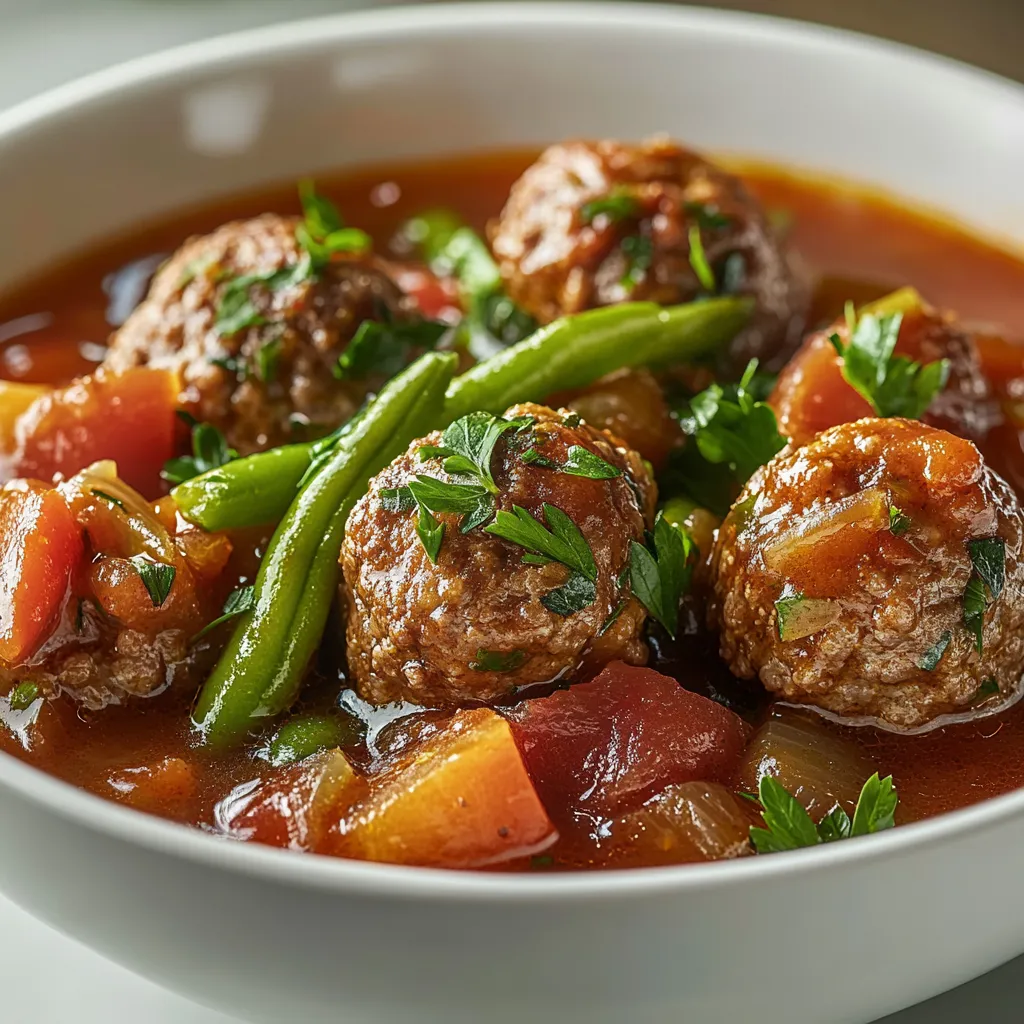
Hearty Meatball Stew is a quintessential comfort food that wraps you in warmth and satisfaction. This dish features tender meatballs swimming in a rich and flavorful broth, complemented by vibrant vegetables, making it the perfect choice for a cozy family meal or a gathering with friends. The infusion of garlic, oregano, and basil elevates the taste to another level, creating a delightful experience that brings everyone to the table.
This stew not only comforts the soul but also fills the belly, making it an ideal dish for chilly evenings. Whether you are celebrating a special occasion or simply looking for a satisfying weeknight dinner, Hearty Meatball Stew stands out as a delicious, rustic option that delights every palate. Its versatile nature allows for servings alongside freshly baked bread or fluffy rice, adapting to your dining preferences.
Recipe Overview
– Total Time: 1 hour
– Servings: 6
– Difficulty: Not specified in the recipe.
Description of Hearty Meatball Stew
The heart of this recipe lies within the well-seasoned meatballs, made predominantly from ground beef, which brings a hearty richness. These meatballs are held together with breadcrumbs, freshly grated Parmesan, and the binding power of a large egg. As they simmer in the stew, they absorb flavors from the broth and the vegetables, resulting in an irresistible combination of textures and tastes.
Ideal Occasions for Serving
Hearty Meatball Stew shines during many occasions. It is perfect for family gatherings during the colder months or a cozy dinner party with friends. Additionally, this dish serves as an excellent option for meal prepping, ensuring you have delicious leftovers for the week ahead. You can also bring this stew to potlucks and gatherings, where it will undoubtedly be a hit among guests.
Nutritional Benefits of the Ingredients
The ingredients in Hearty Meatball Stew not only offer a burst of flavor but also provide several nutritional benefits. Ground beef, whether used alone or as a pork blend, is a good source of protein and iron. The inclusion of vegetables such as carrots, celery, and green beans contributes essential vitamins and minerals, while the garlic and herbs add antioxidant properties. Together, these elements create a well-rounded dish that nourishes the body and soul, making it an appealing option for health-conscious eaters.
Ingredients
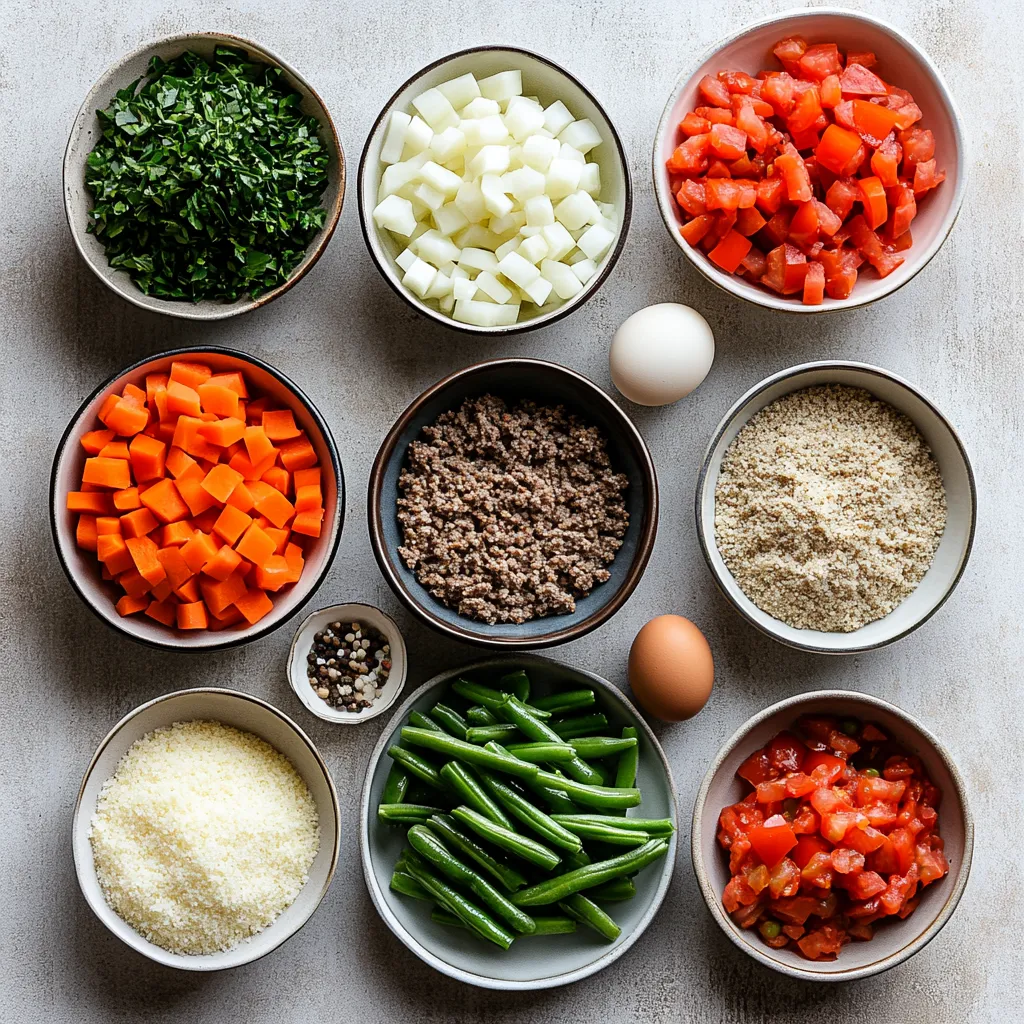
– 1 pound ground beef (or a blend of beef and pork for added flavor)
– 1/2 cup breadcrumbs (preferably homemade for extra texture)
– 1/4 cup freshly grated Parmesan cheese
– 1 large egg (room temperature)
– 2 cloves garlic, finely minced
– 1 teaspoon dried oregano
– 1 teaspoon dried basil
– Salt and freshly ground black pepper to taste
– 2 tablespoons extra-virgin olive oil
– 1 large onion, finely diced
– 2 medium carrots, peeled and sliced into rounds
– 2 celery stalks, diced
– 4 cups rich beef broth (homemade or low-sodium)
– 1 can (14.5 oz) diced tomatoes in juice
– 1 cup fresh green beans, trimmed and cut into bite-sized pieces
– 1 tablespoon Worcestershire sauce
– 1 bay leaf
– Fresh parsley, chopped, for garnish
Preparing the Meatballs
To begin this satisfying dish, the first step involves preparing the meatballs. In a large mixing bowl, combine the ground beef, breadcrumbs, grated Parmesan cheese, egg, minced garlic, dried oregano, and dried basil. It is crucial to add a generous pinch of salt and freshly ground black pepper to enhance the flavor. Mixing should be done gently with hands until the ingredients are just combined; overmixing can lead to tough meatballs, so be careful to maintain a tender texture.
Shaping the mixture into 1-inch meatballs is the next step. Place the formed meatballs on a plate, ensuring they are uniform in size to guarantee even cooking. This stage is essential not just for presentation but also for ensuring a consistent cooking time.
Steps for Mixing the Meatball Ingredients
When mixing the ingredients, a light touch is key. Using your hands, combine the components, ensuring that each element is evenly distributed without overworking the meat. This technique will help the meatballs remain tender and juicy after they are cooked.
Importance of Proper Mixing Techniques
Proper mixing techniques prevent the meat from becoming dense once cooked. The goal is to create a synergistic blend of flavors while maintaining the integrity of the meat’s texture. Using chilled ingredients, such as a cold egg, can also assist in achieving the perfect consistency for the meatballs.
Best Practices for Shaping Meatballs
When shaping, utilize a small ice cream scoop or your hands to ensure uniformity. Rolling the meat between your palms gently can help achieve smooth, rounded shapes. It is advisable to avoid applying excessive pressure, which could compress the meatballs and make them tough when cooking.
Browning the Meatballs
Browning the meatballs is an essential step that adds depth and complexity to the stew. Begin by heating the extra-virgin olive oil in a large pot or Dutch oven over medium heat. Carefully add the meatballs to the pot in batches, being cautious not to overcrowd the cooking vessel; overcrowding can lead to steam rather than browning.
Choosing the Right Cooking Vessel
A Dutch oven is an excellent choice for this recipe due to its heat retention and even distribution of temperature. Moreover, the wide base allows ample space for the meatballs to brown appropriately without sticking or steaming.
Tips for Even Browning
To achieve a beautifully browned exterior, allow each meatball to cook undisturbed for a few minutes before turning them. This will help develop a crust that is both flavorful and pleasing in texture. Carefully monitor the heat, adjusting if necessary, to prevent burning.
How to Avoid Overcrowding the Pot
To avoid overcrowding, calculate the meatballs that can fit in a single layer without touching. This practice will provide the necessary space for browning. If necessary, cook them in multiple batches to ensure each meatball has adequate exposure to the hot oil.
Sautéing the Vegetables
Once the meatballs are browned, the next step is to enhance the stew’s flavor by sautéing the vegetables. In the same pot, add in the finely diced onion, sliced carrots, and diced celery. This method allows the delicious residue from browning the meatballs to flavor the vegetables, creating a rich base for the stew.
Importance of Sautéing for Flavor Development
Sautéing is crucial as it softens the vegetables while releasing their natural sugars, resulting in a sweeter and more aromatic profile. As the onion becomes translucent, it melds with the other vegetables, creating a fragrant mixture that serves as the cornerstone of the stew’s flavor.
Ideal Cooking Time for Vegetables
Vegetables should be sautéed for about 5 minutes or until they achieve a tender texture and a translucent appearance, stirring occasionally. This step lays the groundwork for the remaining ingredients to shine through in the final dish.
Aromatic Combinations to Enhance Flavor
While this recipe specifies onion, carrots, and celery, one can easily experiment with other aromatics, such as bell peppers or even a touch of crushed red pepper for some heat. The key is to embrace the aromatic foundation to elevate the overall taste of your stew.
Incorporating Broth and Tomatoes
With the vegetables sautéed and glistening, it is time to pour in the beef broth, a significant component that brings the stew to life. Alongside the broth, add the diced tomatoes, ensuring when mixing that the ingredients blend harmoniously.
Choosing the Right Beef Broth
For a rich and flavorful stew, it is essential to use high-quality beef broth. Homemade broth will yield the best results, but low-sodium options from the store can serve as a convenient alternative without compromising too much on flavor.
The Role of Diced Tomatoes in the Stew
Diced tomatoes contribute a tangy brightness that balances the richness of the meat and broth. Their acidity helps to cut through the fat while adding both moisture and a hint of sweetness to the overall dish, enhancing the depth of flavor in this comforting stew.
Mixing Techniques for a Well-Combined Base
When mixing the broth and tomatoes, use a wooden spoon to scrape up any browned bits from the bottom of the pot. This technique incorporates those flavorful remnants into the stew, enhancing its overall richness and ensuring a well-combined foundation for the dish.
Adding the Remaining Ingredients
Gently Incorporating Meatballs Back into the Stew
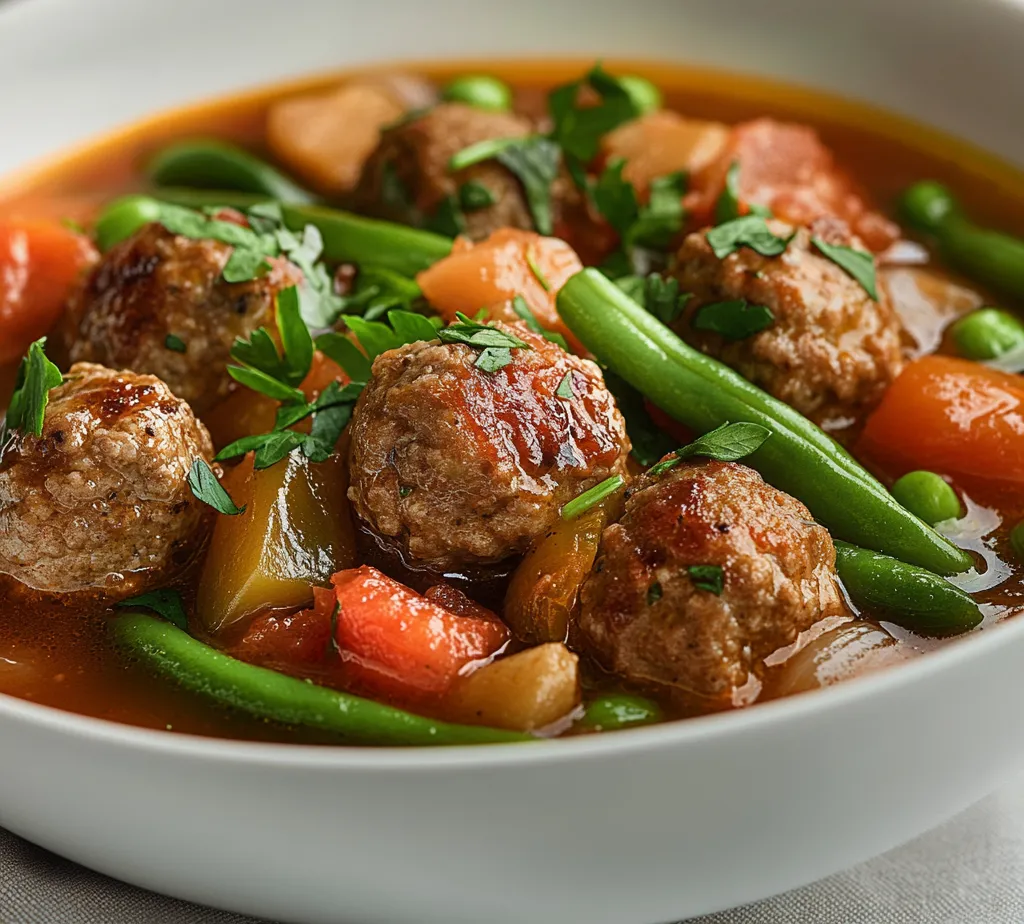
Once you have browned the meatballs, it’s essential to handle them gently when returning them to the pot. This ensures they retain their shape and don’t crumble into the stew. Carefully nestle the meatballs into the simmering liquid, allowing them to finish cooking without excessive stirring. Maintaining their integrity is crucial for texture in the final dish.
Benefits of Green Beans in the Recipe
The addition of fresh green beans not only enhances the nutritional profile of this hearty meatball stew but also adds a pleasant crunch and vibrant color. Green beans are rich in vitamins A, C, and K, along with providing dietary fiber. Their cooking time is perfectly aligned with the simmering stew, ensuring they remain tender-crisp and do not become mushy, thus contributing to a pleasing texture contrast with the meatballs and vegetables.
Understanding the Purpose of Worcestershire Sauce and Bay Leaf
Worcestershire sauce adds depth and umami to the stew, complementing the savory flavors of the beef and vegetables. Its complex flavor profile includes vinegar, molasses, and anchovies, which help balance the richness while enhancing overall taste. The bay leaf, on the other hand, infuses the dish with a subtle herbal undertone. Its slow release of flavor during the simmering process elevates the stew by adding aromatic complexity.
Simmering the Stew
Ideal Temperature for Cooking
Maintaining a gentle simmer is crucial during the cooking process. This allows for even cooking of the meatballs and helps the flavors meld together beautifully. Keeping the heat at medium-low ensures that the stew doesn’t boil too vigorously, which could toughen the meatballs and cause the vegetables to disintegrate.
Understanding Cooking Times for Flavors to Meld
Simmering for 30 to 40 minutes is pivotal for developing a rich, cohesive flavor profile. This duration allows the various ingredients to harmonize, letting the seasoning infuse throughout while ensuring that the meatballs cook through entirely. Stirring occasionally during this time helps to prevent any sticking at the bottom of the pot.
Tips to Prevent Sticking and Burning
To avoid any sticking or burning as the stew cooks, consider using a heavy-bottomed pot, which distributes heat evenly. Additionally, keep the heat low and stir gently every 10 minutes to ensure that all ingredients mingle without settling on the bottom. If you find that the stew is thickening too quickly, a splash of additional broth or water can help maintain the desired consistency.
Final Touches to the Stew
Adjusting Seasoning for Perfect Flavor
After simmering, it’s important to taste the stew before serving. Adjust the seasoning as needed; adding a pinch more salt or a sprinkle of freshly cracked pepper can enhance the overall flavor. Since each cooking method can yield different results, this step ensures the dish is perfectly tuned to your palate.
How to Identify When the Stew is Done
To determine if the stew is finished, look for visual cues like the tender texture of the meatballs and vegetables. The meatballs should be cooked to an internal temperature of 160°F for ground beef, while the vegetables should be fork-tender but not mushy. The stew should also have a rich, inviting aroma.
Importance of Removing the Bay Leaf
Once the stew has cooked, remove the bay leaf before serving. It not only prevents an unpleasant surprise for diners but also signifies the end of the cooking process since its flavor contributions are complete. Leaving it in can lead to an overpowering flavor and an unwelcome texture.
Serving Suggestions
Ideal Bowls for Presentation
For an inviting presentation, opt for rustic, deep bowls that can hold generous portions of stew. Their depth keeps the stew warm longer and allows for an enticing visual appeal, showcasing the colorful medley of vegetables and the hearty meatballs.
Garnishing Tips for Visual Appeal
Sprinkling freshly chopped parsley just before serving adds vibrant color and a touch of brightness that contrasts beautifully with the rich stew. Consider drizzling a small amount of quality extra-virgin olive oil over the top for a glossy finish and an additional layer of flavor.
Perfect Pairings: Bread and Rice Tips
This hearty stew pairs wonderfully with crusty bread that’s perfect for dipping into the broth, enhancing the meal’s comforting texture. Alternatively, serving the stew over a fluffy bed of rice not only extends the meal but also absorbs the flavorful broth, creating a satisfying dish.
Meal Prep and Storage Tips
Best Practices for Storing Leftovers
To ensure optimal freshness, let the stew cool to room temperature before transferring it to an airtight container. Properly stored, this dish can be kept in the refrigerator for up to 3-4 days. The flavors actually deepen over time, making it a great leftover option.
Reheating Techniques for Optimal Taste
When reheating, it’s best to use a stove over medium heat to warm the stew gently and evenly. Stir occasionally to avoid localized overheating. If the stew has thickened significantly in the refrigerator, a small amount of broth or water can be added to achieve the desired consistency.
Freezing Guidelines for Long-Term Storage
This stew freezes well for up to three months. To freeze, portion it into freezer-safe containers, leaving some space at the top for expansion as it freezes. To reheat, thaw in the refrigerator overnight before warming on a stovetop, ensuring quality and texture are maintained.
Variations of the Recipe
Vegetarian Alternatives to Meatballs
For those seeking a vegetarian version, consider swapping out the meatballs for plant-based alternatives like lentil or bean patties. These can be made using similar spices and breading techniques, offering a filling yet meat-free option for the stew.
Add-Ins for Extra Nutrition
Incorporating additional vegetables like zucchini or bell peppers can enhance the stew’s nutrition and flavor. Just be mindful of their cooking times, as you may need to add them later to avoid overcooking.
Spicing Up the Dish with Different Herbs
Experimenting with herbs can create unique flavor profiles. Fresh thyme, rosemary, or even a hint of red pepper flakes or smoked paprika can give the stew an intriguing twist, elevating the overall experience.
Conclusion
The Hearty Meatball Stew combines rich flavors and tender textures, making it a comforting choice for family dinners. With its steamy broth and hearty vegetables, this dish warms the soul while being easy to prepare in just an hour. The savory meatballs and aromatic herbs create a delightful, satisfying meal that feels indulgent yet wholesome.
Hearty Meatball Stew Recipe for Comforting Meals
Ingredients
- 1 pound ground beef
- ½ cup breadcrumbs
- ¼ cup Parmesan cheese
- 1 large egg
- 2 cloves garlic
- 1 teaspoon dried oregano
- 1 teaspoon dried basil
- Salt and pepper to taste
- 2 tablespoons olive oil
- 1 large onion
- 2 medium carrots
- 2 stalks celery
- 4 cups beef broth
- 1 can diced tomatoes
- 1 cup green beans
- 1 tablespoon Worcestershire sauce
- 1 leaf bay leaf
- Fresh parsley for garnish
Instructions
- In a bowl, mix ground beef, breadcrumbs, Parmesan, egg, garlic, oregano, basil, salt, and pepper. Shape into 1-inch meatballs.
- Heat olive oil in a pot over medium heat. Brown meatballs in batches for 5-7 minutes, then set aside.
- In the same pot, sauté onion, carrots, and celery for about 5 minutes until tender.
- Add beef broth and diced tomatoes with juice to the pot. Stir to combine.
- Return meatballs to the pot, add green beans, Worcestershire sauce, and bay leaf. Bring to a simmer.
- Reduce heat and simmer uncovered for 30-40 minutes, stirring occasionally.
- Remove bay leaf, taste, and adjust seasoning if necessary.
- Serve in bowls, garnished with parsley and accompanied by bread or rice.