
Introduction
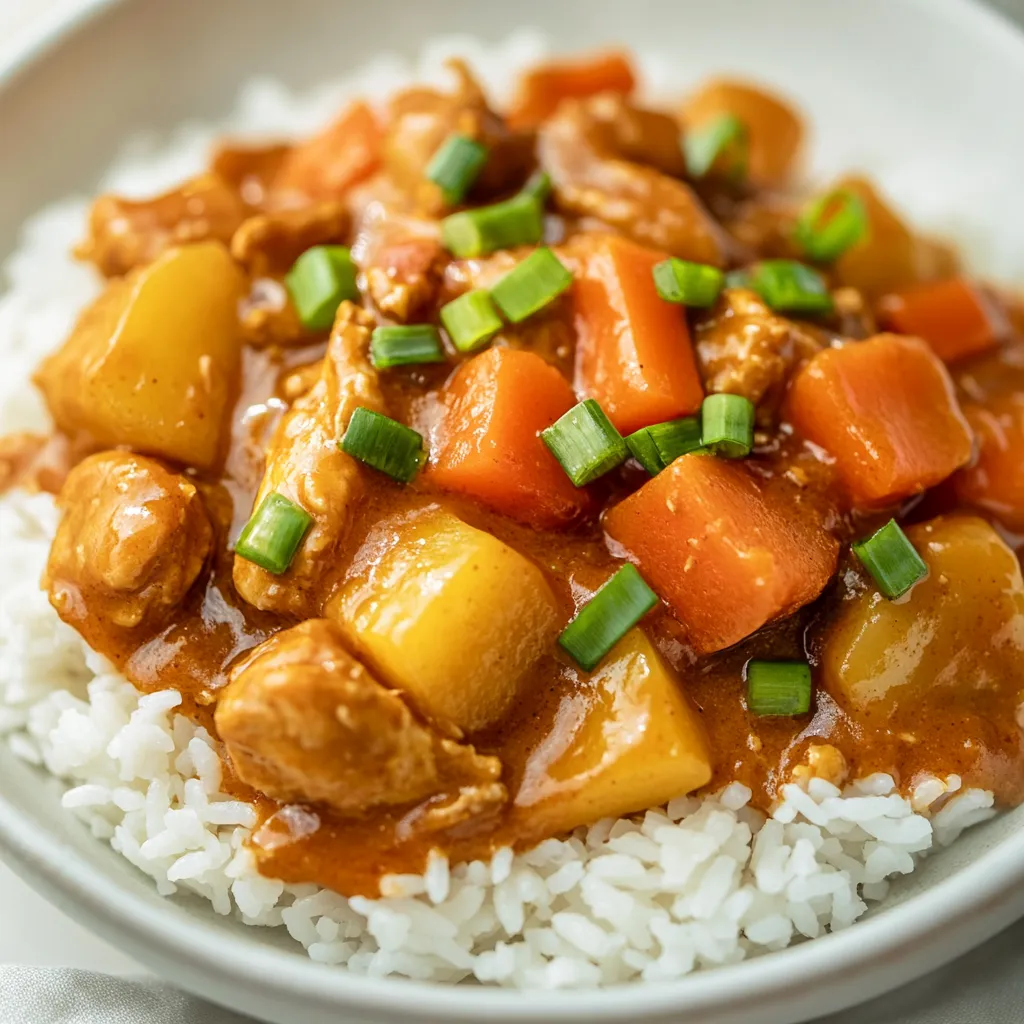
The rich and comforting world of Japanese cuisine is embodied in the dish known as Japanese Curry Rice. This delightful meal combines tender chicken, hearty vegetables, and fragrant rice, making it a beloved favorite in many homes. Known for its smooth, savory sauce and satisfying ingredients, Japanese Curry Rice is a wonderful example of how simple components can come together to create a complex and delicious dish.
Typically served hot, this meal is perfect for family dinners, gatherings with friends, or even a cozy night in. Its adaptability allows for personal touches, letting home cooks experiment with their favorite vegetables or spice levels, ensuring that everyone at the table can savor a version suited to their tastes.
If you’re craving a wholesome, filling dish that embodies comfort, Japanese Curry Rice is the perfect solution. With its layers of flavor and delightful textures, this is a meal that invites everyone to gather around, enjoy, and share stories, making every bite an experience to remember.
Recipe Overview
Japanese Curry Rice is a well-loved comfort food that offers an enjoyable culinary experience. Ideal for family dinners or gatherings, this dish brings together fresh ingredients and aromatic curry roux to create a wholesome meal.
– Prep Time: Not specified in the recipe
– Cook Time: Not specified in the recipe
– Total Time: Not specified in the recipe
– Course: Not specified in the recipe
– Cuisine: Not specified in the recipe
– Servings: Not specified in the recipe
– Calories: Not specified in the recipe
Key Characteristics
Japanese Curry Rice stands out because of its comforting and flavorful profile. It is uncomplicated to prepare, making it perfect for busy weeknights or relaxed weekends. Additionally, its versatility allows for modifications according to dietary preferences or seasonal ingredients, ensuring that it can be enjoyed time and again without growing tiresome. Whether you prefer a milder sauce or a kick of heat, this curry can be tailored to meet everyone’s tastes.
Serving Suggestions
For the best experience, serve this curry hot in deep bowls. Garnishing with freshly sliced green onions adds not only a pop of color but also a nice crunch and freshness to balance the richness of the curry. You might also consider pairing it with pickled vegetables, which can add a delightful tangy contrast to the dish, enriching the overall flavor profile while also contributing to the visual appeal of your table setting.
Ingredients
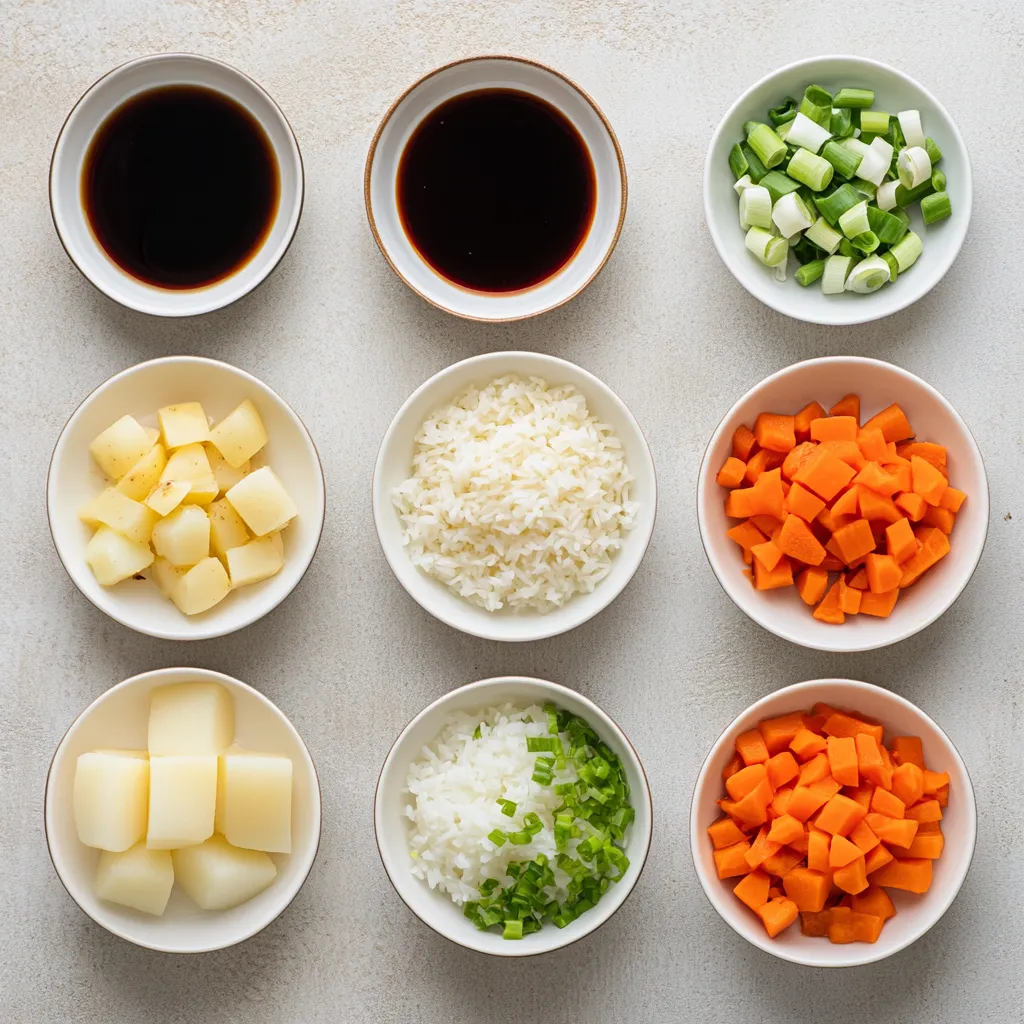
The key to Japanese Curry Rice is selecting fresh ingredients that contribute to both its taste and texture. Here’s what you’ll need:
Main Ingredients
– Japanese short-grain rice: 2 cups
– Boneless chicken thighs: 1 pound
Vegetables
– Medium onion: 1, finely diced
– Medium carrots: 2, peeled and sliced into rounds
– Medium potatoes: 2, peeled and cubed
Additional Ingredients
– Vegetable oil: 1 tablespoon
– Water: 4 cups
– Japanese curry roux: 1 package (7 oz, mild or spicy)
– Soy sauce: 1 tablespoon
– Garnish: Sliced green onions
Instructions
Creating Japanese Curry Rice involves a series of straightforward steps that lead to a deeply flavorful dish. Here’s how to make it:
1. Begin by rinsing the Japanese rice under cold running water. Continue rinsing until the water is clear, then soak the rice in fresh water for 30 minutes to achieve the perfect texture.
2. In a large pot, heat the vegetable oil over medium heat. Once hot, add the finely diced onion and sauté for about 3-4 minutes, or until the onion becomes translucent and fragrant.
3. Introduce the bite-sized chicken pieces to the pot, cooking them for 5-7 minutes until they are no longer pink and lightly browned.
4. Add the sliced carrots and cubed potatoes to the pot, stirring well. Cook for an additional 5 minutes, allowing the vegetables to soften slightly.
5. Pour in 4 cups of water, bringing the mixture to a rolling boil. Once boiling, reduce the heat to low and let it simmer uncovered for 15 minutes, or until the vegetables are tender and the chicken is cooked through.
6. Break the curry roux into smaller pieces and stir it into the pot. Continue stirring until the roux is fully dissolved in the curry mixture. Add the soy sauce and let it simmer for another 10 minutes, allowing the flavors to meld together beautifully.
7. While the curry is simmering, prepare the soaked rice according to the package instructions, typically involving boiling it in water until tender.
8. Once the rice is finished cooking, fluff it gently with a fork to separate the grains and enhance its texture.
9. To serve, place a generous portion of fluffy rice on each plate, then ladle the rich curry over the top.
10. Finish with a sprinkle of sliced green onions for a fresh touch.
Enjoy your delicious homemade Japanese curry rice, a comforting and flavorful dish perfect for sharing!
Presentation Tips
To create an inviting presentation, serve the curry in deep bowls to keep it warm. Consider adding a side of pickled vegetables for an artistic touch and a burst of contrasting flavor, appealing to both the eyes and the palate. The richness of the curry complemented by the acidity of the pickles showcases the balance that Japanese cuisine is famous for, rounding out a meal that feels both nutritious and indulgent.
Preparation Strategy
Understanding the preparation process can enhance the cooking experience and improve the final results. One of the most important steps is rinsing the rice, which plays a critical role in achieving the right texture. Rinsing removes excess starch, preventing it from becoming gummy while cooking. After rinsing, soaking the rice allows it to absorb water, further ensuring it will cook to fluffy perfection.
When it comes to cooking the base, heating the oil before adding the onions is crucial—it not only adds flavor but also helps to achieve the desired softness and fragrance of the onion. Cooking the chicken is another vital step, as ensuring that the pieces are fully cooked before adding more ingredients is key to safety and achieving the best flavor.
Rinsing the Rice
Rinsing the rice serves two purposes: it clears away starch, giving the rice a firmer texture, and it cleans the rice itself, enhancing the overall cleanliness and quality of the dish. Continue rinsing until the water runs clear, and soaking for 30 minutes allows the grains to absorb some moisture, leading to a fluffy rice texture once cooked.
Cooking the Base
The proper heating of vegetable oil is fundamental, as it acts as a medium for the onions to sauté effectively. When the onions are translucent, it indicates that they have released their sugars, providing a wonderful foundational flavor for the curry.
The step-by-step process of Japanese Curry Rice is a journey of simplicity and flavor, made possible through attentiveness to each ingredient and a little patience. Stay tuned as we delve further into the remaining steps and cooking techniques essential for creating this delicious dish in the next part.
Techniques for Easy Incorporation
When preparing Japanese Curry Rice, mastering a few techniques can help you seamlessly incorporate the ingredients and enhance the overall cooking process. Each element plays a vital role in achieving the signature richness of the dish.
Why Stirring is Essential
Stirring is a critical technique in creating a harmonious blend of flavors. While cooking, the act of stirring ensures that the ingredients cook evenly, preventing any individual piece from sticking to the pot or burning. Particularly when you add the curry roux, consistent stirring helps the roux dissolve completely, contributing to a smooth texture in the sauce. Furthermore, stirring also redistributes heat, ensuring that all components of the curry simmer uniformly, allowing the spices and flavors to develop fully.
Flavor Development Through Simmering
Simmering is fundamental in the cooking process of Japanese Curry Rice. After bringing your pot to a boil, reducing the heat to let it simmer allows the flavors of the chicken, vegetables, and spices to fuse together. This slow cooking method draws out the natural sweetness of the onions and enhances the earthiness of the carrots and potatoes. The simmering time not only tenderizes the ingredients but also creates a rich, fragrant sauce that clings beautifully to the rice. Skipping this step would result in a less flavorful curry, so patience during this phase is key.
Cooking the Rice
The rice is just as important as the curry, providing the perfect backdrop for the delicious sauce. Understanding the right cooking methods and ratios can elevate your dish significantly.
Cooking Method
To cook the Japanese short-grain rice, start by rinsing the rice under cold running water. This step is crucial as it removes excess starch, preventing the rice from becoming gummy. After rinsing, soak the rice in fresh water for about 30 minutes; this soaking process aids in achieving fluffy grains. Use a rice cooker or a pot to boil the water according to the instructions on the package. Allowing the rice to steam after boiling is essential for achieving the perfect texture; avoid lifting the lid too soon to ensure the rice cooks evenly.
Tips for Fluffing Rice Post-Cooking
Once the rice is cooked, it’s important to fluff it gently with a fork rather than stirring vigorously. This action separates the grains without breaking them, preserving their integrity. Fluffing also enhances the overall texture, making each bite delightful. Allowing the rice to sit for a few minutes before serving can also help maintain its warmth while it absorbs any remaining moisture.
Ensuring Even Tenderness in Grains
To ensure even tenderness in the rice grains, it’s advisable to maintain an appropriate water-to-rice ratio, as specified on the rice package. Typically, short-grain rice requires a slightly higher water content compared to longer varieties. Monitoring the cooking time and adjusting based on your specific stove and pot helps achieve ideal results; remember, every kitchen can produce slightly different outcomes.
Rice to Curry Ratio
The proper balance between rice and curry not only affects the dish’s presentation but also its enjoyment.
Suggested Serving Sizes
While serving Japanese Curry Rice, a good starting point is around one cup of cooked rice per person, accompanied by a ladleful of curry over the top. This ratio allows the flavors to meld while ensuring the dish remains satisfyingly filling. Adjust the quantity if you have larger servings in mind or if you’re serving hungry diners.
Balancing Portions for Pleasing Presentation
Presentation is key in elevating the dining experience. When plating, consider the visual appeal of differing heights and textures by placing the rice in a mound and adding the curry over the top. Utilizing deep bowls can help keep the dish warm and also provide ample space for the curry sauce.
Serving Suggestions
Presentation can elevate the enjoyment of Japanese Curry Rice. By considering a few serving tips, you can make your dish more visually appealing and delicious.
Plate Presentation
For an inviting presentation, serve the curry in deep bowls to maintain warmth and allow guests to mix the rice and curry at their leisure. Using wide, shallow platters can also create an aesthetic appeal, allowing ample space for the colors of the dish to shine. Adding sides such as pickled vegetables can enhance visual contrast and color balance.
Ideas for Adding Visual Appeal
Incorporate vibrant elements by serving with a side of pickled radishes or a small salad. The coloration can make the dish more festive and inviting. You could also consider a sprinkle of sesame seeds atop the curry or a few slices of cucumber arranged carefully on the side for added freshness.
Mixing Rice and Curry for Flavor Distribution
Encouraging diners to mix their rice with curry enhances the overall flavor experience. This can be encouraged by serving a ladle of curry over the mound of rice, allowing them to integrate the sauce for each bite. Proper mixing will ensure every forkful captures the perfect balance of savory curry and fluffy rice.
Garnishing Ideas
Garnishing is a significant aspect of presentation in Japanese cuisine. It not only adds visual appeal but also enhances flavor.
Importance of Garnishes in Japanese Cuisine
In Japanese culinary tradition, garnishes serve to elevate the dish beyond mere sustenance. They add freshness and a pop of color, making each bite more appetizing. Simple ingredients can add a surprising layer of flavor and sophistication.
Alternative Garnishing Options
Apart from sliced green onions, consider using finely chopped parsley, shredded nori (seaweed), or even a drizzle of sesame oil for added depth. Fresh herbs like shiso or a sprinkle of black sesame seeds can introduce unique flavors, enhancing authenticity.
Taste Benefits of Green Onions
Sliced green onions not only add a delightful crunch but also introduce a slight peppery flavor that complements the richness of the curry. Scatter these atop the finished dish just before serving to maximize freshness and aesthetic appeal.
Flavor Customization
One of the beautiful aspects of Japanese Curry Rice is the flexibility to customize its flavors, allowing it to cater to diverse palates.
Choosing Spiciness Levels
When it comes to choosing the spiciness level of your curry, selecting the right type of roux is essential. Japanese curry roux usually comes in mild, medium, or spicy options. Adjust the heat by choosing a roux that fits your preference, and feel free to add a pinch of cayenne or chili powder if you desire additional heat.
Adding Unique Ingredients
Enhancing your curry with unique ingredients can create a personalized touch. Consider additional vegetables like bell peppers, zucchini, or mushrooms to introduce new textures and flavors. If you wish to modify the protein, tofu can serve as a great option for vegetarians, while beef or seafood can also work harmoniously in place of chicken.
Enhancing Flavor with Herbs and Spices
For a creative twist, you might incorporate herbs or spices like ginger or garlic to deepen the flavor profile. A dash of curry powder or even a hint of coconut milk can provide a fresh perspective on the classic recipe, transforming it into a new culinary experience.
Storage and Reheating
Proper handling of leftovers ensures the dish remains enjoyable over multiple meals.
Storing Leftovers
To preserve the quality of your Japanese Curry Rice, allow it to cool completely before storing it in airtight containers. When refrigerating, consume within 3-4 days for optimal freshness. For longer storage, consider freezing the curry and rice separately to maintain the right texture of each component.
Reheating Guidelines
When reheating, the best practice is to do so on the stove over low heat, stirring frequently to prevent sticking. If using a microwave, cover the dish to retain moisture while reheating. Ensure that the curry reaches a temperature of at least 165°F to ensure it is safe to eat, enjoying your flavorful creation multiple times over.
Nutritional Aspects
Understanding the nutritional value can enhance appreciation for the dish, ensuring that your culinary experience is both delicious and health-conscious.
Caloric Content
The total caloric content of your Japanese Curry Rice will vary based on the specific ingredients chosen. The rice and vegetables contribute significantly to the total, and adapting serving sizes can help balance indulgence within meals. Being aware of the calories allows for mindful eating and better meal planning.
Health Factors
Japanese Curry Rice packs a nutritious punch, with chicken offering protein and veggies contributing vitamins and minerals. Incorporating whole grain rice rather than white rice provides added fiber, which can enhance digestion and contribute to a balance between pleasure and health.
Conclusion
Japanese Curry Rice is a flavorful, hearty dish that offers a delightful combination of textures and tastes. Its cooking process is straightforward, making it accessible for all home cooks. The use of fresh ingredients contributes to a satisfying meal that’s perfect for sharing, promising warmth and comfort in every bite.
Japanese Curry Rice Delight: A Comforting Homemade Recipe
Ingredients
- 2 cups Japanese short-grain rice
- 1 tablespoon vegetable oil
- 1 medium onion finely diced
- 2 medium carrots peeled and sliced into rounds
- 2 medium potatoes peeled and cubed
- 1 pound chicken thighs boneless and cut into bite-sized pieces
- 4 cups water
- 1 package 7 oz Japanese curry roux
- 1 tablespoon soy sauce
- sliced green onions for garnish
Instructions
- Rinse the Japanese rice under cold running water until the water is clear, then soak for 30 minutes.
- Heat vegetable oil in a large pot over medium heat, add onion, and sauté until translucent.
- Add chicken pieces and cook until no longer pink and lightly browned.
- Stir in carrots and potatoes, cooking for an additional 5 minutes.
- Pour in water, bring to a boil, then reduce heat and simmer uncovered for 15 minutes.
- Break curry roux into pieces and stir into the pot until dissolved, then add soy sauce and simmer for another 10 minutes.
- Prepare the soaked rice according to package instructions until tender.
- Fluff the cooked rice gently with a fork.
- Serve rice on plates and ladle curry over the top.
- Garnish with sliced green onions.