
Introduction
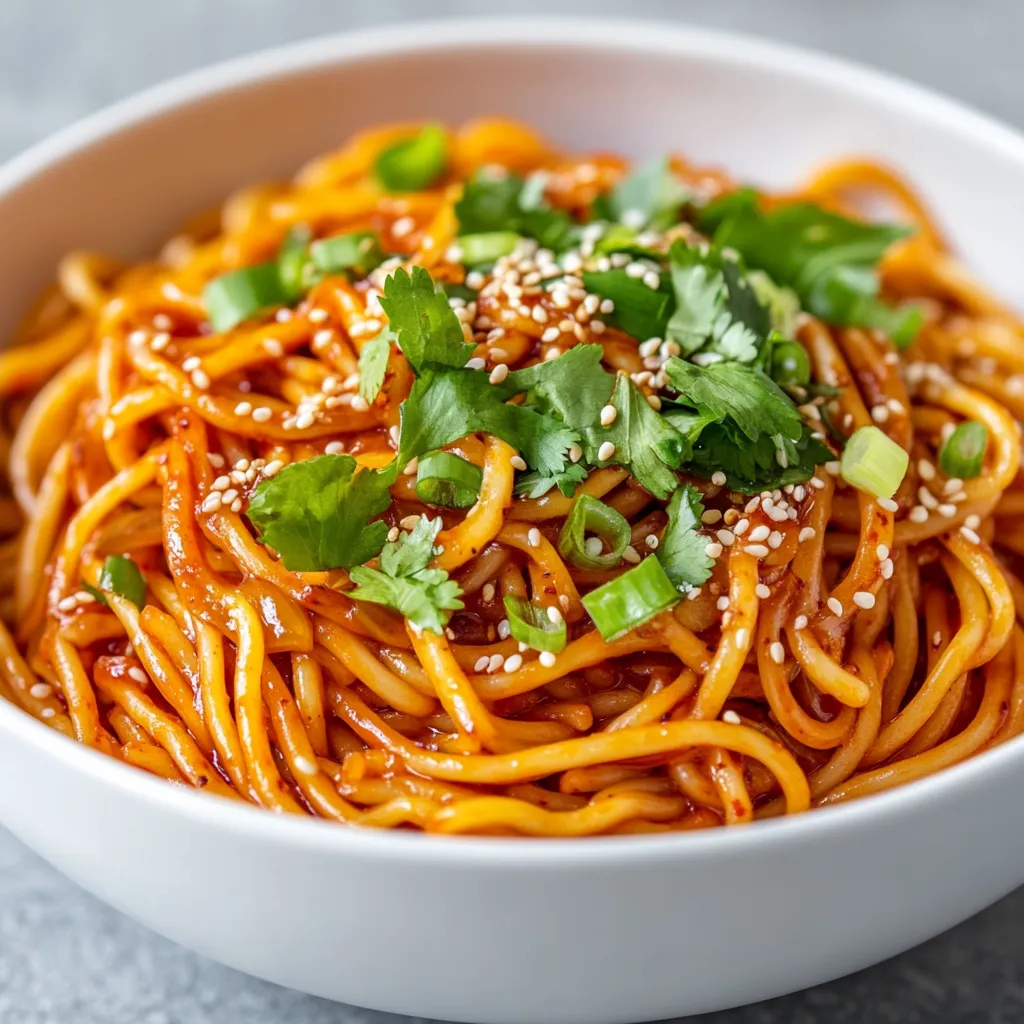
Understanding the delicate balance of flavors in Korean cuisine often leads home cooks to explore exciting dishes. One standout option is Korean Style Spicy Garlic Noodles, which combines the sweetness of honey with the heat of gochujang for a vibrant dish. This recipe crafts a perfect harmony of spicy, savory, and sweet, showcasing the essence of Korean cooking in a simplified form. The rejuvenating taste and aroma of garlic and ginger, balanced by the umami notes of soy sauce, make these noodles irresistible.
These spicy garlic noodles are perfect to serve as a main course during a casual family dinner or as a side dish for a larger feast. They can easily complement grilled meats or roasted vegetables, making them an adaptable addition to various meals. Whether you’re a seasoned cook or a beginner looking to experiment with bold flavors, this dish promises an engaging culinary experience.
Recipe Overview
– Total Time: 20 minutes
– Prep Time: 10 minutes
– Yield/Servings: 2-3 servings
– Difficulty: Not specified in the recipe
Ingredients
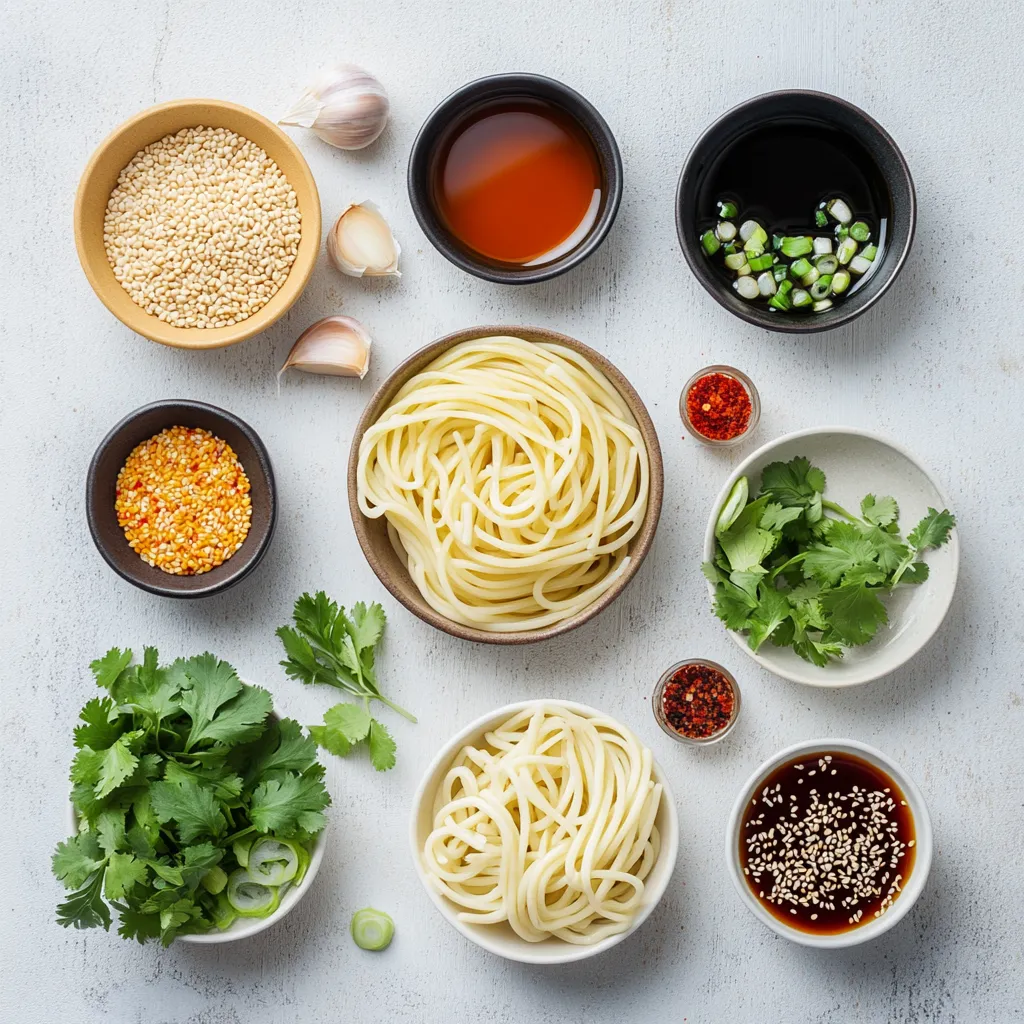
– 8 oz (225g) spaghetti or udon noodles
– 3 tablespoons vegetable oil
– 6 cloves garlic, finely minced
– 1 tablespoon fresh ginger, grated
– 2 tablespoons gochujang (Korean red chili paste)
– 1 tablespoon soy sauce
– 1 tablespoon sesame oil
– 1 tablespoon honey or sugar (for sweetness)
– 1 teaspoon rice vinegar (for tanginess)
– 1/2 teaspoon crushed red pepper flakes (optional, for added heat)
– 2 green onions, finely chopped
– Sesame seeds, for garnish
– Fresh cilantro or parsley, for garnish (optional)
Instructions
1. Cook the Noodles: Bring a large pot of salted water to a rolling boil. Add the spaghetti or udon noodles and cook according to the package instructions until they are al dente. Once done, drain the noodles and set them aside, reserving about a cup of the cooking water for later use.
2. Prepare the Sauce: In a large skillet or wok, heat the vegetable oil over medium heat. Once hot, add the minced garlic and grated ginger, sautéing for approximately 30 seconds until they become fragrant but are not browned.
3. Incorporate Gochujang: Add the gochujang, soy sauce, sesame oil, honey (or sugar), and rice vinegar to the skillet. Stir thoroughly until the gochujang is fully blended into the sauce. For those who enjoy a spicier dish, sprinkle in the crushed red pepper flakes at this stage.
4. Combine Noodles with Sauce: Introduce the cooked noodles into the skillet with the sauce, tossing them gently to ensure they are well coated with the spicy garlic mixture. If the sauce appears too thick, gradually add some of the reserved pasta water until you achieve your desired consistency.
5. Finish and Serve: Fold in the chopped green onions and continue to cook for an additional 1-2 minutes to allow the flavors to meld. Remove from heat and sprinkle with sesame seeds and fresh cilantro or parsley if you like.
6. Enjoy Your Dish: Serve the noodles hot, either as a satisfying main course or as a delightful side dish, and savor the vibrant, spicy flavors of Korean cuisine!
Cooking the Noodles
Selecting the Right Noodles
In preparing Korean Style Spicy Garlic Noodles, the choice of noodles can significantly influence the dish’s texture and overall experience. While the recipe allows for either spaghetti or udon noodles, it’s essential to understand the characteristics of each to make an informed choice. Spaghetti, commonly used in Italian cuisine, offers a firm texture and a slightly chewy consistency that complements the sauce well. On the other hand, udon noodles are thick, chewy Japanese noodles made from wheat flour, which absorb flavors beautifully and add a hearty element to the dish.
Boiling Techniques
For boiling the noodles, use a large pot filled with salted water to ensure proper cooking. The ideal water-to-salt ratio typically combines about 1 tablespoon of salt per quart of water. This salting enhances the flavor of the noodles rather than relying solely on the sauce. Following package instructions is crucial; however, aim for al dente texture, where the noodles are firm yet cooked through. This ensures they retain their shape and texture when tossed with the sauce.
Draining and Reserving Pasta Water
Once the noodles are cooked to perfection, draining them is a critical step. However, the recipe recommends reserving about a cup of the cooking water. This starchy water plays a significant role in adjusting the sauce consistency later on. If you find the sauce too thick after combining it with the noodles, adding a bit of this reserved water will help achieve the desired creamy texture without compromising flavor.
Preparing the Sauce
Heating the Oil
The purpose of heating the oil in this dish is twofold. First, it creates a suitable medium for sautéing the garlic and ginger, allowing them to release their flavors into the dish. For optimal results, medium heat is recommended to ensure the oil is hot enough to sauté without causing the aromatics to burn. Using vegetable oil allows the dish to remain neutral in flavor while effectively carrying the bold tastes of the primary ingredients.
Aromatic Ingredients
When sautéing the garlic and ginger, timing is essential. Add the minced garlic and grated ginger once the oil is sufficiently hot. You’ll want to sauté them for around 30 seconds until they’re fragrant but avoid browning them; browning can lead to a bitter taste that overshadows the intended flavor profile. Sautéing these aromatics builds a solid flavor base for the sauce that will adhere to the noodles, enhancing every bite.
Combining Sauce Ingredients
Once the garlic and ginger are ready, it’s time to create the bold sauce. Combining gochujang, soy sauce, sesame oil, and either honey or sugar introduces layers of flavor – the heat from gochujang, umami from soy sauce, nutty richness from sesame oil, and sweetness from honey or sugar. Adding rice vinegar brings a pleasant tanginess to the mixture. Each component plays a vital role in crafting a well-balanced sauce that complements the noodles beautifully. Stir these ingredients thoroughly to ensure an even blend, as this step is critical for achieving that harmonious flavor profile.
Part 1 elaborates on the essential preparation steps and techniques to lay the foundation for a delicious Korean Style Spicy Garlic Noodles experience. Stay tuned for further insights and tips in the following sections, which will enhance your culinary skills while bringing this vibrant dish to life!
Finishing Touches
Adding Green Onions
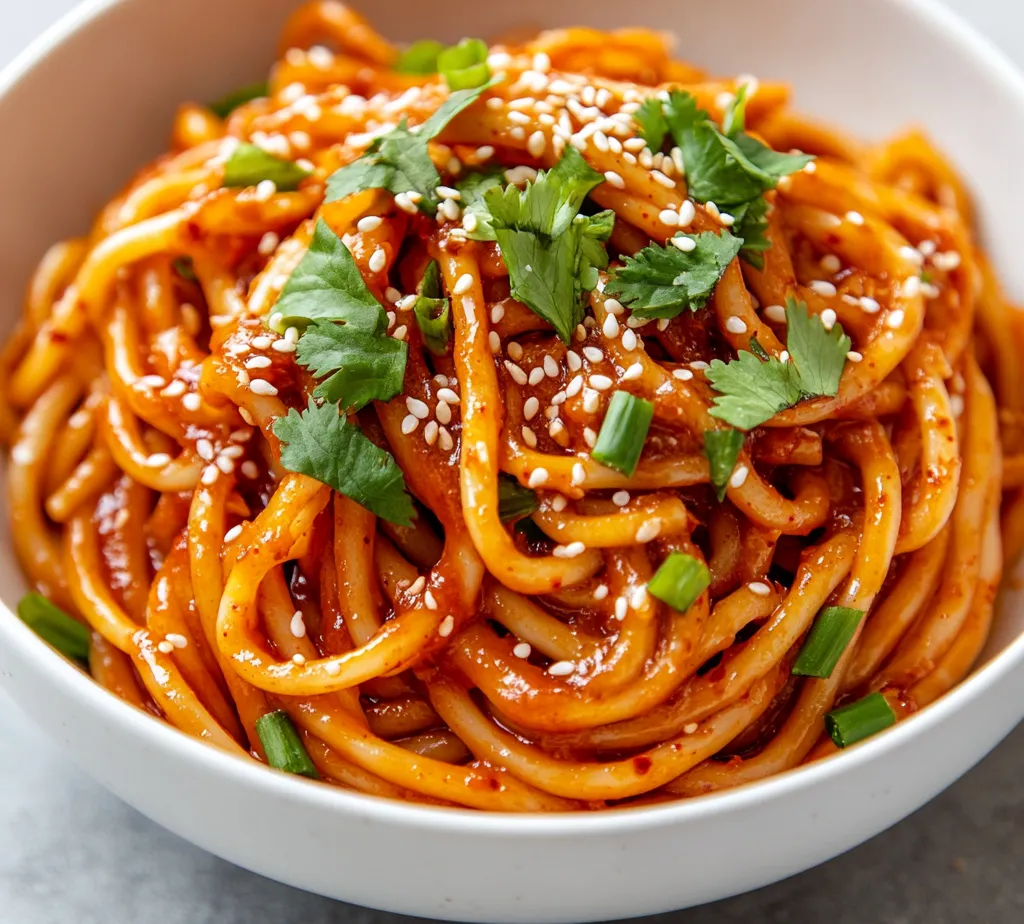
Green onions are not only a vibrant garnish but also play a crucial role in enhancing the overall flavor profile of Korean Style Spicy Garlic Noodles. Their mild sharpness and fresh taste contrast beautifully with the rich and spicy elements of the dish. When adding green onions, fold them into the noodles during the final stages of cooking, just before removing them from the heat. This step ensures that the green onions retain their fresh crunch while allowing their flavors to meld harmoniously with the spicy sauce. Aim for an additional cooking time of about 1-2 minutes to sufficiently incorporate the green onions without wilting them completely.
Garnishing the Dish
Garnishing can elevate the presentation of your noodles and provide an extra layer of flavor. A simple but effective technique is to sprinkle toasted sesame seeds over the dish. Their nutty flavor complements the overall taste. Fresh herbs such as cilantro or parsley offer not just a pop of color but also a fresh note that cuts through the richness of the sauce. To bring a zesty edge to your dish, consider adding lime wedges on the side; the citrus will enhance the vibrant flavors in every bite. Creativity in garnishing can make your dish visually appealing and enhance the dining experience.
Serving Suggestions
Main Course vs. Side Dish
The Korean Style Spicy Garlic Noodles can serve either as a satisfying main course or as a side dish alongside other dishes. When considering your presentation, it’s essential to think about the overall meal and its components. If serving as a main dish, consider pairing it with proteins like grilled chicken or tofu, and perhaps a side of kimchi or pickled vegetables. If you choose to serve them as a side, they work wonderfully with grilled meat or fish, accentuating the meal with a spicy kick. Adjusting your serving style based on the context not only enhances the dining experience but also complements the flavors of the entire spread.
Plating Ideas
Plating can significantly impact the overall aesthetic of your meal. Serving these noodles in a large bowl allows for an inviting, communal feel, which is perfect when sharing. Alternatively, if you choose to plate them individually, consider twirling the noodles in a way that shows off the vibrant colors of the sauce and garnishes. Using contrasting colored plates can also create a visually appealing presentation—dark plates showcase the bright red hues of the sauce, whereas white plates can allow the garnishes to stand out. Play with the arrangement of garnishes, ensuring that each element is visible and appealing to the eye.
Nutritional Profile
Ingredients Breakdown
Each serving of Korean Style Spicy Garlic Noodles provides a deliciously rich yet balanced meal. Depending on the specific brands and quantities used, roughly estimated caloric content per serving can average around 400-500 calories. The dish is substantial, thanks to the noodles, while the sauce is packed with flavor from ingredients like gochujang, sesame oil, and garlic. These ingredients provide essential nutrients, including vitamins A and C from the garlic and green onions, and healthy fats primarily from the sesame oil.
Balancing Health and Flavor
This dish successfully marries health and flavor, showcasing that comfort food can be nutritious. The garlic provides anti-inflammatory benefits, while the gochujang contributes probiotics due to fermentation. For those looking to make the dish healthier, consider using whole grain noodles for added fiber, or reduce the amount of honey or sugar to cut down on the sweetness without sacrificing flavor. The vibrant vegetables can be enhanced by adding steamed broccoli or snap peas for extra nutrients.
Customizations and Variations
Increasing Heat Levels
For those who enjoy spicier dishes, there are several ways to adjust the heat level in your Korean Style Spicy Garlic Noodles. The simplest method is to increase the amount of gochujang used in the recipe. Alternatively, adding more crushed red pepper flakes can raise the spice quotient effectively. If you want to explore different heat profiles, consider incorporating other chili pastes or sauces, such as sambal oelek or even Sriracha, which would lend a unique flavor while ramping up the heat.
Vegetarian and Vegan Adaptations
While the recipe contains honey as a sweetener, it can easily be made vegetarian or vegan by substituting honey with maple syrup, agave nectar, or another vegan sweetener of your choice. Additionally, to enhance the heartiness of the dish and cater to various dietary preferences, consider adding a protein source such as marinated tofu, tempeh, or chickpeas. These additions can make the dish more filling and suitable for a range of eaters, providing diverse textures and flavors.
Common Mistakes to Avoid
Overcooking the Noodles
One common mistake many encounter when preparing noodles is overcooking them. Overcooked pasta can become mushy and lose its appealing texture. Signs of overcooked noodles include a limp shape and a lack of elasticity. To recover the texture of overcooked noodles, rinse them under cold water to halt the cooking process immediately. This will refresh their texture somewhat, but it’s best to avoid this mishap altogether by setting a timer and checking for doneness at the package-recommended cooking time.
Burning Garlic
Burnt garlic can impart a bitter taste to the dish, ruining the entire flavor balance. It’s essential to sauté garlic over medium heat and continuously stir it for even cooking. If you happen to identify burnt garlic, the best remedy is to start over with a fresh batch, as there is little that can salvage burnt garlic in terms of flavor. To prevent this, always keep a close watch while cooking, as garlic can quickly go from perfectly cooked to burned.
Incorrect Sauce Ratios
Getting the right balance of flavors—sweet, spicy, and savory—is crucial for the success of your noodles. Tasting the sauce as you go is imperative; if the flavors seem off, consider adjusting them before tossing in the noodles. If it’s too spicy, a little more sweetness can balance the heat, while additional soy sauce can deepen the savory profile. Adjusting these ratios while monitoring taste will lead to a deliciously balanced dish.
Storing Leftovers
Proper Storage Techniques
To ensure your leftovers remain fresh, it’s important to utilize proper storage techniques. Place the cooled noodles in an airtight container and refrigerate. They can be safely stored for up to 3-4 days. Ensure your noodles are fully cooled before sealing to prevent condensation, which could lead to a soggy texture. Adding a paper towel at the top of the container can help absorb excess moisture.
Reheating Instructions
Reheating Korean Style Spicy Garlic Noodles should be done carefully to retain flavor and texture. The microwave can be a quick option—heat in intervals, stirring in between, until warmed through. Alternatively, you can reheat them in a skillet over medium heat, adding a splash of water or broth to revive the sauce’s consistency. This method helps ensure that the noodles remain al dente and flavorful.
Conclusion
Korean Style Spicy Garlic Noodles are a flavorful and satisfying dish that combines sweet, spicy, and savory elements expertly. With a preparation time of just 20 minutes, this recipe is not only quick but also versatile, suitable for various dietary preferences and occasions. The vibrant colors, exacting textures, and enticing aromas create a delightful meal that is sure to please any palate.
Korean Style Spicy Garlic Noodles Simplified
Ingredients
- 8 oz spaghetti or udon noodles
- 3 tablespoons vegetable oil
- 6 cloves garlic finely minced
- 1 tablespoon fresh ginger grated
- 2 tablespoons gochujang
- 1 tablespoon soy sauce
- 1 tablespoon sesame oil
- 1 tablespoon honey or sugar
- 1 teaspoon rice vinegar
- ½ teaspoon crushed red pepper flakes
- 2 green onions finely chopped
- sesame seeds for garnish
- fresh cilantro or parsley for garnish
Instructions
- Cook the noodles in salted boiling water until al dente, then drain and reserve some cooking water.
- Heat vegetable oil in a skillet over medium heat and sauté garlic and ginger until fragrant.
- Add gochujang, soy sauce, sesame oil, honey, and rice vinegar to the skillet and stir until blended.
- If desired, add crushed red pepper flakes for extra heat.
- Toss the cooked noodles in the sauce, adding reserved pasta water if the sauce is too thick.
- Fold in chopped green onions and cook for an additional 1-2 minutes.
- Remove from heat and garnish with sesame seeds and cilantro or parsley.
- Serve hot as a main course or side dish.