
Introduction
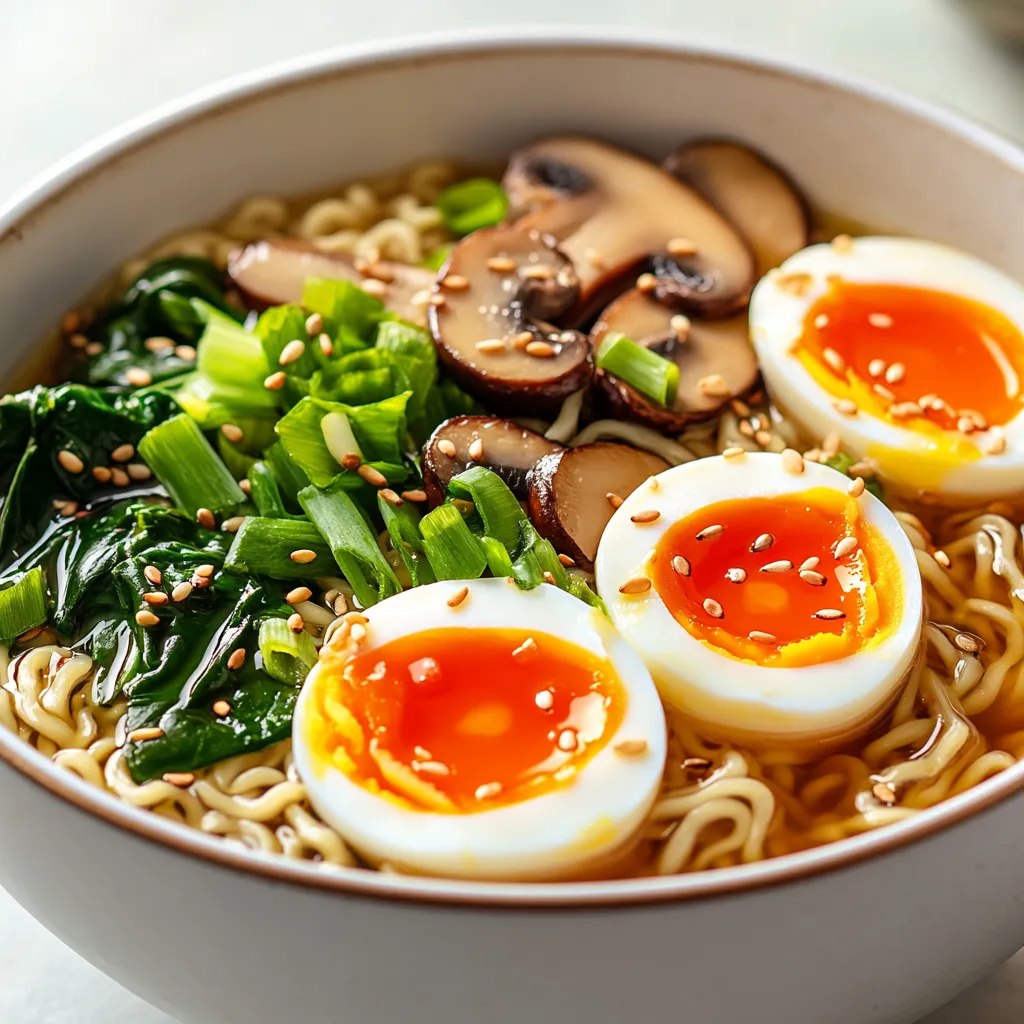
Homemade ramen is a dish that embodies comfort and warmth, perfect for a cozy night in. With its steaming bowl filled with aromatic broth, tender noodles, and colorful vegetables, it offers not just sustenance but also a moment of solace and contentment. The flavors meld together beautifully, creating a depth that soothes the soul, particularly on chilly evenings when you crave something hearty yet simple to prepare.
During harsh winters or rainy days, the thought of a homemade ramen can elevate the mood and evoke a sense of nostalgia. This recipe beautifully highlights the versatility of ramen by employing accessible ingredients that you likely have on hand. With only a few minutes in the kitchen—and no complicated techniques—you can whip up a bowl of satisfying ramen that warms not just the body, but the heart as well.
This ramen recipe embraces simplicity and freshness, allowing the natural flavors of the ingredients to shine through. Whether you are cooking for yourself or sharing with a loved one, it’s sure to become a go-to option for those nights when you seek a comforting meal without much fuss.
Recipe Overview
– Total Time: 30 minutes
– Prep Time: 15 minutes
– Servings: 2
– Difficulty: Not specified in the recipe
This cozy ramen is characterized by its balanced flavor profile. The savory chicken or vegetable broth serves as a soothing base, enhanced with the umami richness of soy sauce and miso paste. Fresh vegetables contribute not only nourishment but also a vibrant array of colors and textures, while the soft-boiled eggs introduce creaminess that rounds out each bite perfectly.
Ingredients
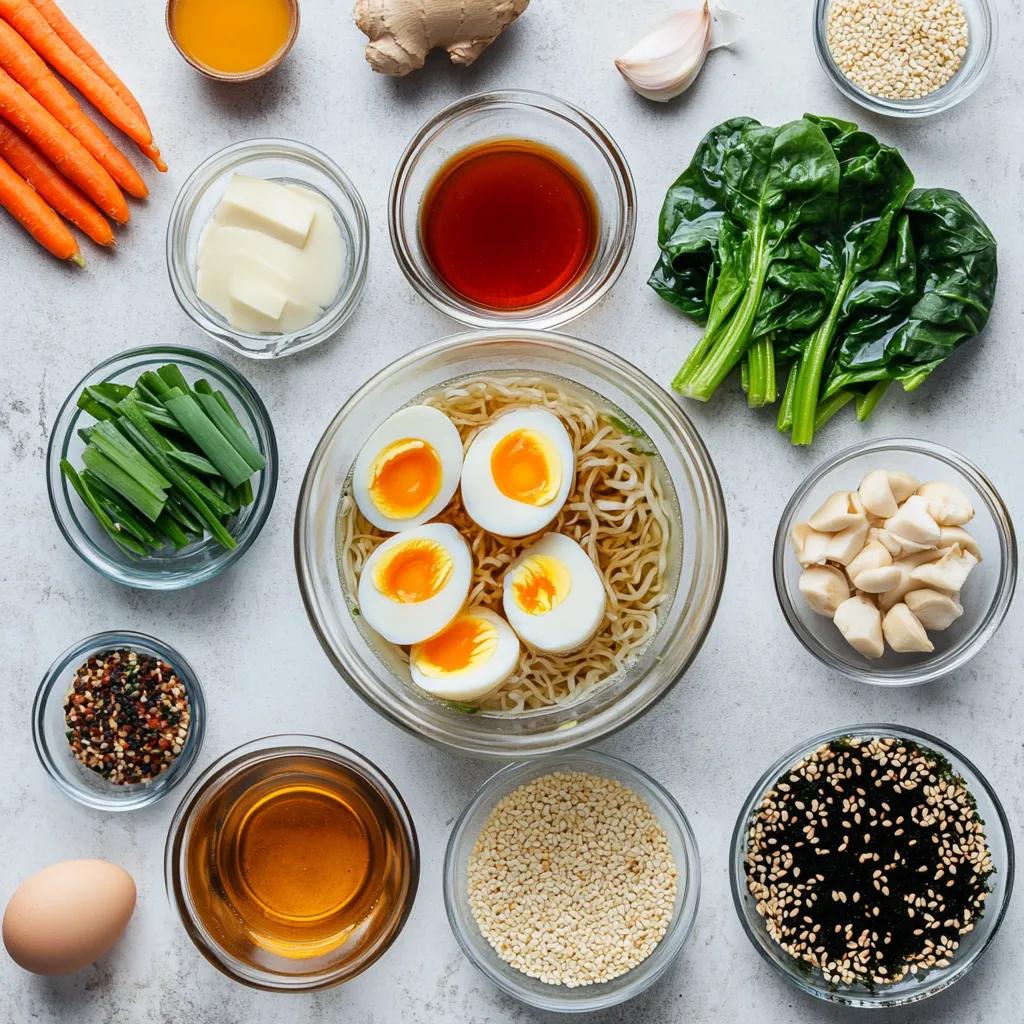
– 4 cups chicken or vegetable broth
– 2 cups water
– 2 packs of instant ramen noodles (discard the seasoning packets)
– 1 tablespoon soy sauce
– 1 tablespoon miso paste (optional, for added depth of flavor)
– 1 teaspoon sesame oil
– 2 green onions, sliced
– 2 cloves garlic, minced
– 1-inch piece of ginger, grated
– 2 soft-boiled eggs (boil for 6-7 minutes, then cool in ice water)
– 1 cup baby spinach or bok choy
– 1 cup mushrooms (shiitake or button), sliced
– 1 carrot, julienned
– Nori sheets, cut into strips (for garnish)
– Sesame seeds (for garnish)
– Chili oil or sauce (optional, for heat)
Instructions
1. Begin by pouring the chicken or vegetable broth and water into a large pot. Heat over medium flame until the mixture reaches a gentle simmer.
2. Once simmering, introduce the minced garlic, grated ginger, soy sauce, and miso paste (if using). Stir well to ensure the miso is fully dissolved, allowing the flavors to meld for about 5 minutes.
3. In a separate pot, prepare the instant ramen noodles according to the package instructions, but reduce the cooking time by 1-2 minutes to maintain a pleasing chewiness. Drain and set aside.
4. To the simmering broth, add the sliced mushrooms, julienned carrots, and baby spinach (or bok choy). Cook for approximately 3-4 minutes, ensuring the vegetables remain tender yet vibrant in color.
5. Distribute the cooked noodles evenly into serving bowls. Generously ladle the hot broth along with the vegetables over the noodles.
6. Carefully halve the soft-boiled eggs and place them atop the ramen in each bowl for a beautiful presentation.
7. Finish by garnishing with sliced green onions, nori strips, and a sprinkle of sesame seeds. Drizzle a touch of sesame oil for added flavor, and add chili oil or sauce if you prefer a spicy twist.
8. Serve your steaming bowls of homemade ramen immediately, and savor the warmth and comfort of this delightful dish on your cozy night in!
Cooking Techniques
Simmering is a crucial technique in the preparation of the broth in this homemade ramen. It allows your ingredients to release their flavors gradually, creating a rich and harmonious broth that serves as the foundation of the dish. Reaching a gentle simmer is key; boiling too vigorously can cause the flavors to muddle rather than mellow, resulting in a less nuanced taste.
When it comes to adding aromatic ingredients such as garlic and ginger, they should ideally be introduced early in the simmering process. This technique ensures that their essential oils and flavors infuse into the broth thoroughly. The brief cooking time of the vegetables is also essential; you want them to remain bright and vibrant while still contributing their unique tastes. Overcooking can lead to a mushy texture, diminishing the overall visual appeal and the enjoyable crunch of fresh vegetables.
By following these techniques, you will not only enhance the flavor of your ramen but also create an inviting presentation—inviting both the eyes and the palate to indulge in a bowl of warmth and comfort.
Tips for Maintaining the Texture of Instant Noodles
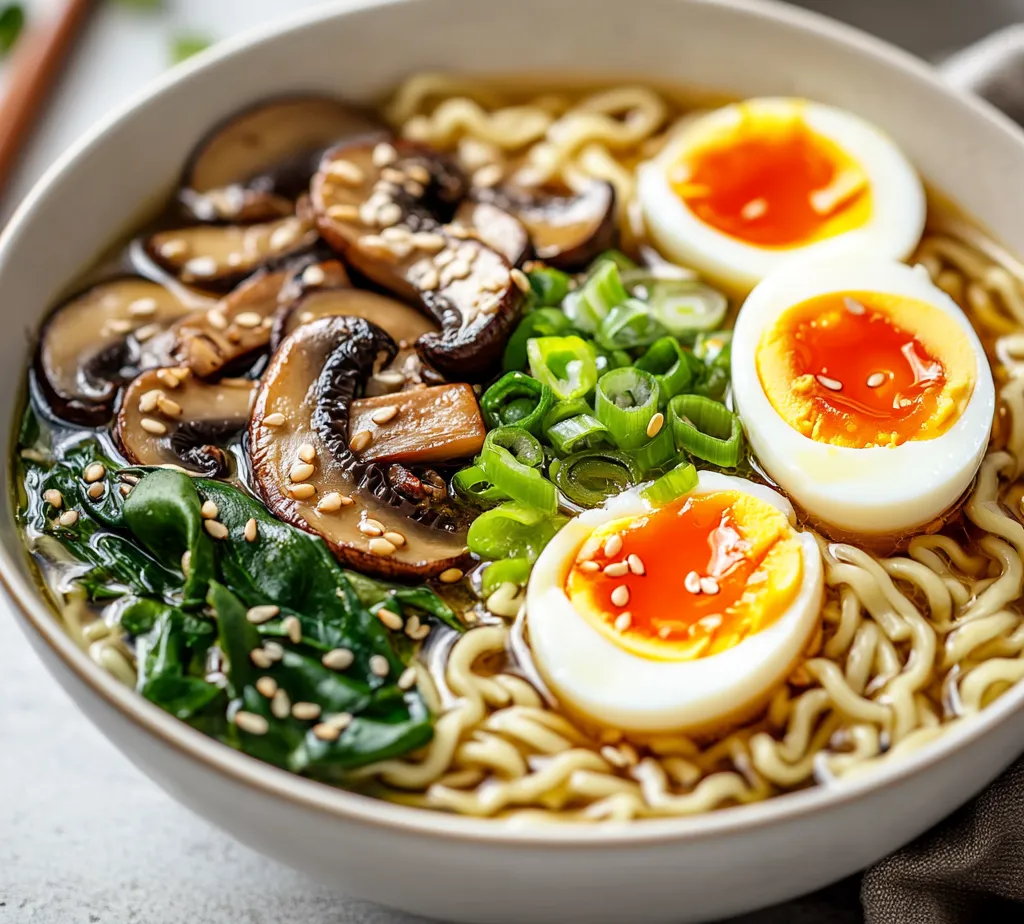
To ensure the best texture from your instant ramen noodles, timing is crucial. While cooking the noodles, it’s recommended to reduce the cooking time by 1-2 minutes compared to the package instructions. Instant noodles can often become overly soft and mushy if cooked for too long. When draining, it’s also advisable to rinse them briefly under cold water to stop the cooking process, while retaining a bit of starch that helps the broth cling.
Furthermore, incorporating the noodles into the hot broth immediately after cooking preserves their texture, ensuring that they stay pleasantly chewy and absorb some of the broth’s flavor without becoming overly saturated.
Techniques for Soft-Boiling Eggs to Achieve the Perfect Consistency
Perfecting the art of soft-boiling eggs requires precise timing. For ideal results, start with cold eggs and gently place them in boiling water. Boil for 6-7 minutes for a jammy yolk with just the right amount of richness. Once the timer is up, promptly transfer the eggs to an ice bath for about 5 minutes. This process stops the cooking and ensures easy peeling.
When peeling, gently tap the egg against a hard surface to crack the shell, and then roll it between your hands to loosen. Peel the egg under running water if needed to help remove any stubborn bits of shell. The result should be a beautifully soft-boiled egg that is perfect for topping your ramen.
Flavor Enhancements
Discussion on the Role of Soy Sauce and Miso Paste in Deepening Flavor
Soy sauce is a cornerstone in many Asian dishes, offering umami and saltiness that enhances the broth beautifully. It balances the savory notes of the broth while adding depth. Miso paste, if used, further intensifies this richness, giving the ramen a creamy texture and a distinctive fermented flavor. The choice to include miso adds a layer of complexity and can elevate the dish from simple to extraordinary.
Suggestions for Alternative Ingredients to Customize Taste
Customizing your ramen to fit personal tastes can be easily achieved. Substitute regular soy sauce with tamari or low-sodium soy sauce for a gluten-free or lighter option. You can also explore using different types of miso, such as white, yellow, or red, each bringing various flavor profiles and saltiness levels.
Including Additional Vegetables or Proteins
To enhance the nutritional value and customize the dish further, consider adding vegetables like zucchini, bell peppers, or snow peas. For protein, options such as tofu, grilled chicken, or shrimp can be incorporated for a heartier meal. Remember to adjust cooking times as necessary to ensure all ingredients are cooked perfectly.
Impact of Sesame Oil on the Overall Flavor Profile
Sesame oil is often used as a finishing touch in dishes, and in ramen, a drizzle at the end can significantly elevate the overall flavor profile. It adds a warm, nutty aroma that complements the broth. Use sparingly, as it can be quite potent; a teaspoon or so is usually sufficient to enhance the dish without overpowering it.
Vegetable Choices
Nutritional Benefits of Each Vegetable Used
The vegetables chosen for your ramen contribute various nutrients that enhance the dish’s health benefits. Baby spinach is packed with iron and vitamins A, C, and K, while bok choy offers calcium and antioxidants. Mushrooms add essential B vitamins and minerals, and carrots contribute beta-carotene. Including a variety of these vegetables not only adds to the flavor but also enhances the overall nutritional profile of your meal.
Spinach vs. Bok Choy: Taste and Texture Differences
While both spinach and bok choy are excellent choices for ramen, they each offer unique taste and texture profiles. Spinach has a mild, slightly earthy flavor and wilts down to a tender consistency very quickly. Bok choy, on the other hand, has a slightly peppery taste with a crisp texture that holds up better in broth, keeping a satisfying crunch.
Recommendations for Vegetable Substitutions Based on Season
Seasonal selections can elevate your ramen experience. In summer, zucchini and snap peas can provide freshness, while in the fall, veggies like pumpkin or butternut squash can add a warmer flavor. Adapt your recipe to incorporate what’s available and in-season, ensuring the freshest, most flavorful ingredients.
Tips for Cutting and Preparing Vegetables for Optimal Cooking
For even cooking, it’s essential to cut vegetables uniformly. Julienne carrots and slice mushrooms thinly to promote even tenderness. Leafy greens should be chopped into manageable pieces but don’t need extensive preparation. A quick rinse is usually sufficient for fresh greens like spinach or bok choy.
Toppings and Garnishes
Exploring Various Topping Options Beyond Those Listed
While the garnishes in the recipe provide beautiful contrast and flavor, many more options await exploration. Consider adding bamboo shoots, corn, or bean sprouts for additional crunch. Fresh herbs like cilantro or basil can lend a fragrant note, while pickled ginger provides a refreshing zing.
Ideas for Adding Proteins Such as Tofu or Chicken
Incorporating proteins can elevate your ramen from a light meal to a satisfying feast. Marinated grilled chicken thighs add flavor, while fried tofu provides a vegan option that absorbs the broth’s flavors. For a gourmet touch, consider marinating tofu in soy sauce and sesame oil before pan-frying until crispy.
The Significance of Presentation in Enhancing Dining Experience
Presentation is key to an enjoyable dining experience. Arrange the toppings artfully over the noodles, allowing the vibrant colors of vegetables to shine through. A sprinkle of sesame seeds and neatly placed nori strips not only enhance flavor but also make the dish visually appealing.
Tips for Garnishing Ramen Creatively
Get creative with your garnishes! Use a fine chiffonade of green onions to create height or arrange sliced soft-boiled eggs prominently. Squeeze a bit of lime juice on top for brightness just before serving, or drizzle a few drops of chili oil artistically to make the dish pop.
Serving Suggestions
Ideal Dishes to Serve Ramen In for Aesthetic Appeal
Deep, wide bowls are ideal for serving ramen, as they showcase the beautiful layers of the dish. The bowl’s shape allows for easy mixing of the ingredients while retaining the warmth of the broth. Consider bowls with unique designs that reflect the flavors of the dish, adding an extra aesthetic touch.
Pairing Suggestions for Beverages to Complement the Flavors
To complement your cozy ramen night, consider pairing the dish with light beverages. A crisp, cold beer or a refreshing sparkling water infused with lime can enhance the dining experience. For something warm, green tea works well to balance the flavors.
Creating an Inviting Dining Atmosphere for a Cozy Night In
Setting the mood for a cozy night in can be achieved with simple touches like dim lighting and cozy seating arrangements. Soft music adds to the ambiance, while setting the table with thoughtful decorations can make a casual meal feel like a special occasion.
Nutritional Information
Analysis of Calories and Nutritional Values per Serving
Each serving of this homemade ramen contains approximately 400-500 calories, depending on the specific ingredients and garnishes used. This includes healthy fats from sesame oil and protein from eggs, along with vitamins and minerals from the vegetables.
Discussion on Health Benefits of the Ingredients Used
The combination of broth, vegetables, and protein in this homemade ramen provides a balanced meal. Broth offers hydration and electrolytes, while the variety of vegetables contributes essential micronutrients crucial for overall health. Soft-boiled eggs add protein and healthy fats, ensuring that the meal is both nourishing and satisfying.
Importance of Balance in Homemade Ramen Diets
Maintaining a balanced diet is essential. With homemade ramen, one can control the ingredients, ensuring a mix of carbohydrates, proteins, and a plethora of vitamins from the fresh vegetables. This opportunity to customize allows for tailored nutritional content suited to individual dietary needs.
Conclusion
Homemade ramen is a delightful dish that offers warmth and comfort, with a medley of flavors and textures that come together beautifully. With a total preparation and cooking time of just 30 minutes, it’s an accessible and fulfilling option for any cozy night in. Enjoy the rich broth, tender vegetables, and perfectly soft-boiled eggs that create a satisfying meal for two.
Cozy Night In Homemade Ramen
Ingredients
- 4 cups chicken or vegetable broth
- 2 cups water
- 2 packs instant ramen noodles
- 1 tablespoon soy sauce
- 1 tablespoon miso paste
- 1 teaspoon sesame oil
- 2 pieces green onions
- 2 cloves garlic
- 1 inch ginger
- 2 pieces soft-boiled eggs
- 1 cup baby spinach or bok choy
- 1 cup mushrooms
- 1 piece carrot
- nori sheets
- sesame seeds
- chili oil or sauce
Instructions
- Pour the broth and water into a large pot and heat until simmering.
- Add garlic, ginger, soy sauce, and miso paste to the pot and stir for 5 minutes.
- Cook the ramen noodles according to package instructions, reducing time by 1-2 minutes, then drain.
- Add mushrooms, carrots, and spinach to the broth and cook for 3-4 minutes.
- Place cooked noodles in serving bowls and ladle broth and vegetables over them.
- Halve the soft-boiled eggs and place on top of the ramen.
- Garnish with green onions, nori strips, and sesame seeds.
- Drizzle with sesame oil and add chili oil if desired.
- Serve immediately and enjoy your homemade ramen.