
Introduction
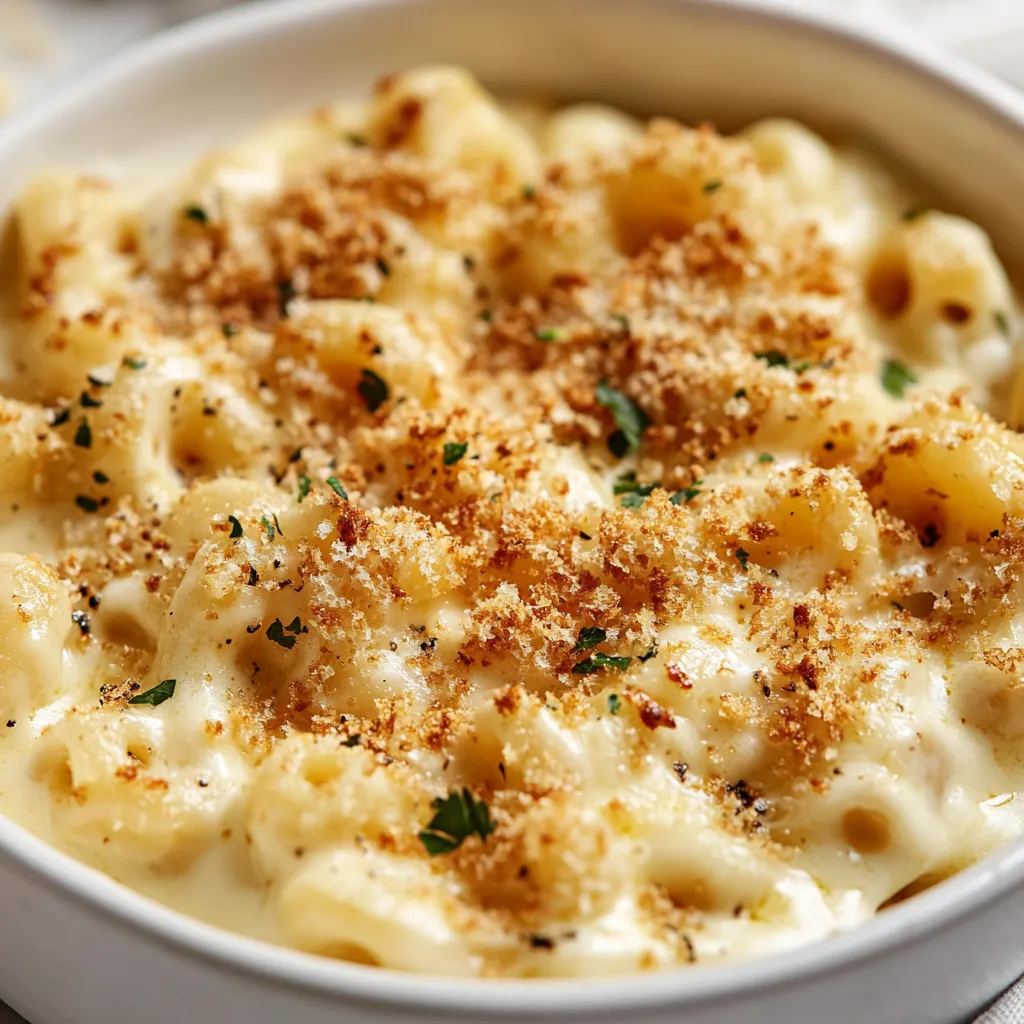
The timeless appeal of classic mac and cheese transcends generations, making it a beloved comfort food for many. This Old Fashioned Mac and Cheese recipe combines creamy textures with rich flavors, providing a satisfying meal for both young and old. This dish evokes a sense of nostalgia, often reminding us of family gatherings and warm, cozy nights spent at home. The beauty of mac and cheese lies not only in its simplicity but also in its ability to adapt to various tastes, whether you enjoy it creamy, baked, or with a crunchy topping. Dive into this guide to learn how to recreate this nostalgic dish with ease.
This recipe features a delightful blend of cheeses, notably sharp cheddar and Gruyère, which deliver a rich and robust flavor profile that sets it apart from typical versions. The creamy cheese sauce envelops the pasta beautifully, ensuring that each bite is a perfect balance of flavor and texture. Easy to prepare, this dish makes an ideal choice for weeknight dinners, holiday gatherings, or whenever you’re in the mood for something comforting and delicious.
Recipe Overview
– Total Time: 45 minutes
– Prep Time: 15 minutes
– Yield/Servings: 4-6
– Difficulty: Not specified in the recipe
Ingredients
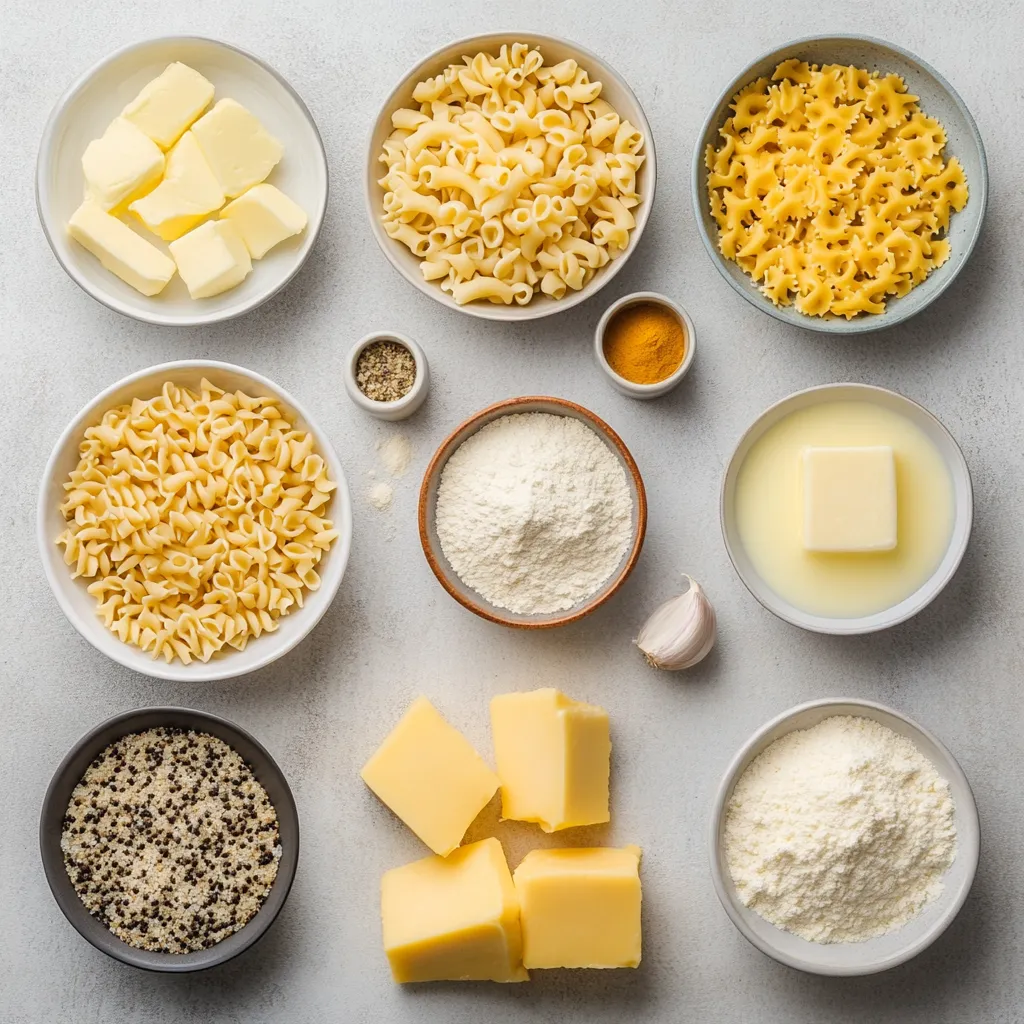
The following ingredients are essential for crafting the perfect Old Fashioned Mac and Cheese:
– 8 ounces elbow macaroni
– 2 cups sharp cheddar cheese, shredded
– 1 cup Gruyère cheese, shredded
– 3 tablespoons unsalted butter
– 3 tablespoons all-purpose flour
– 2 cups whole milk
– 1 teaspoon Dijon mustard
– 1/2 teaspoon garlic powder
– 1/2 teaspoon onion powder
– Salt and black pepper to taste
– 1/2 cup breadcrumbs (optional, for topping)
– 1 tablespoon olive oil (optional, for breadcrumbs)
Instructions
1. Cook the Pasta: Start by bringing a large pot of salted water to a rolling boil. Once boiling, add the elbow macaroni and cook according to the package instructions until al dente, typically around 7-8 minutes. After cooking, drain the pasta thoroughly and set it aside.
2. Make the Cheese Sauce: In a large saucepan set over medium heat, melt the unsalted butter. Once the butter is fully melted, whisk in the all-purpose flour, cooking the mixture for about 1 minute to create a roux, stirring constantly to avoid burning.
3. Add Milk: Gradually pour in the whole milk while whisking continuously to prevent lumps from forming. Keep cooking the mixture, stirring frequently for about 5-7 minutes, until it thickens and begins to bubble gently.
4. Incorporate Cheese and Seasonings: Reduce the heat to low, then stir in the Dijon mustard, garlic powder, onion powder, and a pinch of salt and black pepper. Gradually add the shredded sharp cheddar and Gruyère cheeses, stirring until the mixture is completely melted and smooth.
5. Combine Pasta and Sauce: Gently fold the drained macaroni into the cheese sauce, ensuring each piece of pasta is well-coated with the creamy goodness.
6. Prepare for Baking (Optional): If you desire a crispy topping, preheat your oven to 350°F (175°C). In a small bowl, combine the breadcrumbs with olive oil, mixing until the breadcrumbs are evenly coated.
7. Transfer to Baking Dish: Pour the macaroni and cheese mixture into a greased 9×13 inch baking dish. If using, sprinkle the breadcrumb mixture evenly over the top for added texture.
8. Bake: Place the dish in the preheated oven and bake for approximately 20-25 minutes, or until the top is golden brown and the edges are bubbling.
9. Serve: Once baked, allow the mac and cheese to cool for a few minutes before serving. Enjoy the rich, creamy flavors of your Old Fashioned Mac and Cheese!
Cooking the Pasta
Selecting the Right Pasta
Understanding the choice of elbow macaroni is key to achieving the ideal texture in your mac and cheese. Elbow macaroni features a curved shape that is perfect for capturing and holding onto the creamy cheese sauce. This shape ensures that each bite is bursting with the delightful taste of cheese, making it a popular choice for this classic dish.
Boiling the Water
Bringing a large pot of salted water to a rolling boil is crucial for seasoning the pasta properly. Cooking pasta without salt can lead to bland results, as the pasta absorbs water during cooking. The right amount of salt maximizes flavor, resulting in a more enjoyable dish.
Cooking to Perfection
Aim to cook the elbow macaroni until it reaches al dente, typically around 7-8 minutes. This cooking technique allows the pasta to remain firm rather than becoming mushy, ensuring it holds its shape during the baking process. Remember to drain the pasta thoroughly to remove excess water, which may dilute the cheese sauce’s richness.
Making the Cheese Sauce
Butter and Roux
Start by melting 3 tablespoons of unsalted butter in a large saucepan over medium heat. The butter is essential for developing flavor and richness in the cheese sauce. Once melted, whisk in the all-purpose flour, carefully cooking for about one minute. This roux acts as a thickening agent, giving the sauce body and ensuring a creamy consistency when the milk is added.
Adding the Milk
After creating the roux, it’s time to add the milk. Gradually whisk in 2 cups of whole milk while stirring constantly. This technique is critical for achieving a lump-free, creamy sauce that forms the backbone of the mac and cheese. Allow the mixture to simmer for about 5-7 minutes, stirring frequently. This process helps develop a rich flavor and ensures the sauce thickens properly.
Seasoning the Sauce
Incorporate the Dijon mustard, garlic powder, onion powder, and a pinch of salt and black pepper into the mixture. These seasonings enhance the flavor profile, making the cheese sauce not only cheesy but also aromatic. It’s essential to taste along the way, adjusting the seasoning as needed for the perfect balance of flavors.
Incorporating Cheeses
Integrating the cheeses is where the magic happens. Once your cheese sauce has reached a beautiful, creamy consistency, it’s time to incorporate the shredded sharp cheddar and Gruyère cheeses. Gradually add both types of cheese to the sauce, stirring continuously until they completely melt and blend into a smooth, velvety mixture. The sharp cheddar provides a robust flavor, while the Gruyère adds a delightful nuttiness that elevates the dish.
The combination of these cheeses creates a luscious sauce that clings to each piece of elbow macaroni, making it irresistible. As you mix them in, be sure to keep the heat low to avoid scorching the cheese and ensure a perfectly creamy texture throughout.
Cheese Selection
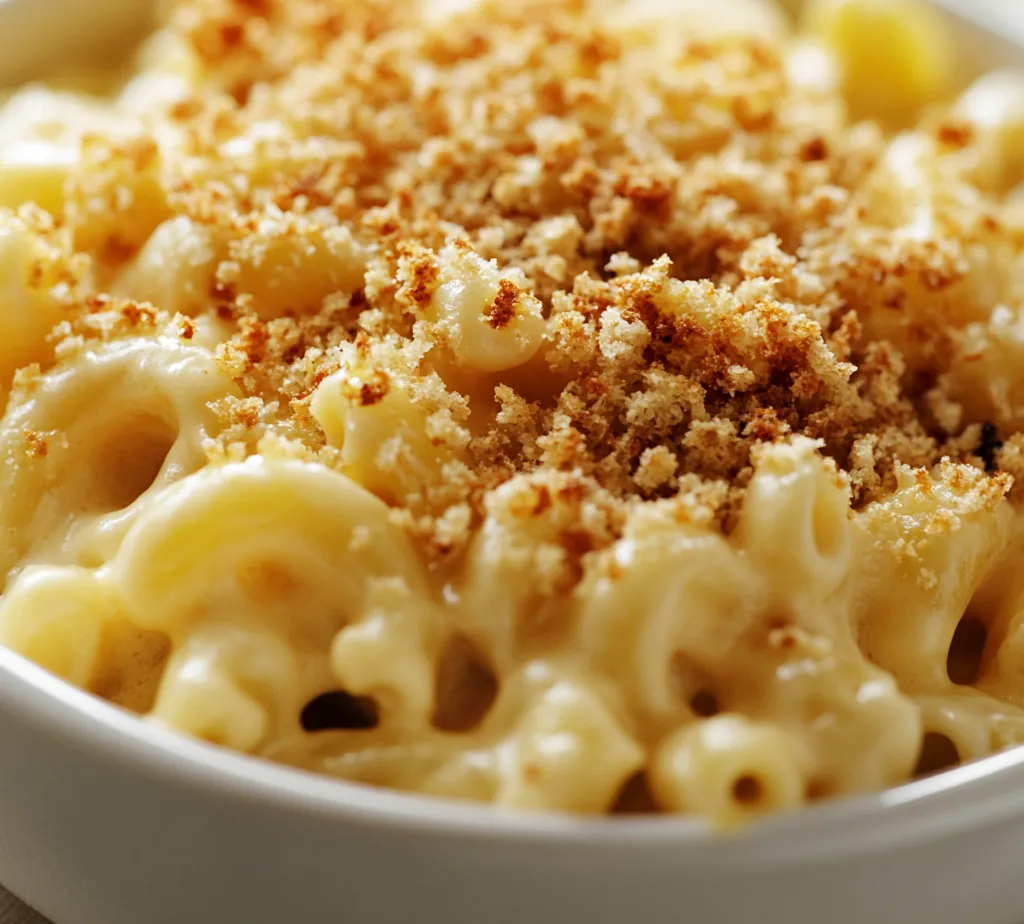
A blend of sharp cheddar and Gruyère cheeses is key to creating the iconic flavor profile of Old Fashioned Mac and Cheese. Sharp cheddar imparts a tangy, robust flavor that makes the dish recognizable and comforting, while Gruyère adds a nutty richness that contributes to the creamy texture of the sauce. When selecting your cheeses, opt for high-quality options, as they will melt more smoothly and enhance the overall taste.
You may consider mixing in additional cheeses such as mozzarella for their melting properties, or even a slight touch of blue cheese for a pungent twist. However, maintaining the balance of flavors is crucial; too strong of a cheese can overpower the dish. Sticking with the suggested blend ensures both classic taste and a pleasing texture.
Melting the Cheese
Adding the shredded cheeses to the sauce must be done gradually while stirring continuously. This method prevents clumps from forming and ensures that the cheese melts evenly and integrates fully with the sauce. Start with a handful of cheese, stirring until melted before adding more. The goal is to create a velvety cheese sauce that clings to the pasta—one that becomes so smooth and creamy, it feels luxurious.
This step is vital for achieving that quintessential gooey consistency. When melted properly, the cheese combines with the flour and milk to form a thick, cohesive sauce that envelops each elbow macaroni perfectly, providing that comforting texture everyone adores in mac and cheese.
Combining Pasta and Sauce
Folding Techniques
When it comes to folding the drained macaroni into the cheese sauce, a gentle touch is essential. Use a spatula or large spoon to carefully lift and turn the pasta through the sauce without breaking the pasta or overmixing. This technique ensures that each piece of macaroni is generously coated with cheese sauce, avoiding dry ends while maintaining the integrity of the pasta shape.
Ensuring Even Distribution
It is equally important to achieve an even distribution of the cheese sauce throughout the pasta. After gently folding the macaroni and cheese sauce, take a moment to double-check that every macaroni piece has an even coating. This uniformity is what elevates the dish from being merely cooked pasta to a true mac and cheese masterpiece. An uneven distribution can lead to pockets of dry pasta or overly saucy areas, which diminishes the overall eating experience.
Preparing for Baking (Optional)
Optional Crunchy Topping
If adding a crunchy topping is your goal, preheating the oven is a critical step. Set your oven to 350°F (175°C) while you prepare your macaroni and cheese mixture; this provides an ideal temperature for achieving a perfectly crispy and golden finish.
Mixing Breadcrumbs with Olive Oil
For the breadcrumb topping, place the breadcrumbs in a small bowl and drizzle the olive oil over them. Mix thoroughly, ensuring each breadcrumb is coated. This combination of olive oil helps to achieve a crispy texture during baking. If desired, you can elevate the flavor by mixing herbs like parsley, thyme, or even a sprinkle of garlic powder into the breadcrumbs for added taste.
Transferring to Baking Dish
Choosing the Right Dish
Utilizing a properly greased 9×13 inch baking dish is vital for achieving optimal results. This size is suitable for the volume of mac and cheese produced by the recipe, allowing for even baking and presentation. Greasing the dish not only prevents sticking but also aids in creating a delightful crust on the bottom.
Layering Techniques
When pouring the macaroni and cheese mixture into the baking dish, gild the lily by smoothing the top to ensure even cooking. If opting for breadcrumbs, sprinkle them evenly across the surface. This allows for uniform browning and texture, ensuring every bite has that satisfying crunch.
Baking the Dish
Baking Time and Temperature
The assembled mac and cheese should bake in the preheated oven for 20-25 minutes. Monitoring during this time is important, as the top should achieve a golden-brown color while the edges bubble eagerly, indicating that it is reaching the right warming temperature.
Checking for Doneness
To check for the perfect doneness, look for a golden crispiness on the breadcrumb topping if used, as well as bubbling cheese sauce around the edges. If not using breadcrumbs, simply ensure that the dish is heated through and bubbling. A slight jiggle in the center will be acceptable, as it will thicken upon resting.
Serving Suggestions
Presentation Tips
For an appealing presentation, consider serving the mac and cheese in individual bowls. This not only makes for a visually appealing dish but also allows for easy portion control. Garnishing with fresh parsley provides a glossy green pop that contrasts beautifully against the creamy gold of the cheese.
Enhancing Flavor
To bring an extra cheesy finish to your mac and cheese, consider sprinkling some additional cheese over the top before baking. This layer will melt into a delectable crust and create a visually enticing dish that showcases the classic richness of the ingredients.
Variations and Customizations
Cheese Alternatives
While the classic combination is sharp cheddar and Gruyère, you can explore various cheese alternatives to customize your mac and cheese. Moist cheeses like mozzarella or Fontina not only enhance creaminess but also add different flavor elements. Incorporating these cheeses can yield exciting outcomes, giving each iteration a unique character.
Ingredient Add-ins
To diversify flavors and boost nutrition, you can consider adding cooked bacon bits, sautéed onions, or even roasted vegetables such as broccoli or bell peppers. However, be mindful that these add-ins should complement rather than overpower the core flavor profile. Balancing additional flavors while retaining the classic creamy texture of mac and cheese is essential in creating a wholesome dish.
This Old Fashioned Mac and Cheese delivers delightful flavors and textures that coax comfort and satisfaction in each bite. With a preparation time of about 45 minutes, you can relish in a creamy, cheesy experience that satisfies the soul. Whether enjoyed as a standalone dish or customized with add-ins, the classic taste remains lovingly intact.
Classic Comfort: Old Fashioned Mac and Cheese
Ingredients
- 8 ounces elbow macaroni
- 2 cups sharp cheddar cheese shredded
- 1 cup Gruyère cheese shredded
- 3 tablespoons unsalted butter
- 3 tablespoons all-purpose flour
- 2 cups whole milk
- 1 teaspoon Dijon mustard
- ½ teaspoon garlic powder
- ½ teaspoon onion powder
- Salt and black pepper to taste
- ½ cup breadcrumbs optional, for topping
- 1 tablespoon olive oil optional, for breadcrumbs
Instructions
- Cook the elbow macaroni in salted boiling water until al dente, about 7-8 minutes, then drain.
- Melt the unsalted butter in a large saucepan over medium heat, then whisk in the flour to create a roux.
- Gradually add the whole milk while whisking to avoid lumps, cooking until thickened and bubbling, about 5-7 minutes.
- Stir in the Dijon mustard, garlic powder, onion powder, and season with salt and black pepper.
- Add the shredded cheddar and Gruyère cheeses, stirring until melted and smooth.
- Fold the drained macaroni into the cheese sauce until well-coated.
- For a crispy topping, preheat the oven to 350°F (175°C) and mix breadcrumbs with olive oil.
- Transfer the mixture to a greased 9x13 inch baking dish and top with breadcrumbs if using.
- Bake for 20-25 minutes until golden brown and bubbling.
- Allow to cool for a few minutes before serving.