
Introduction
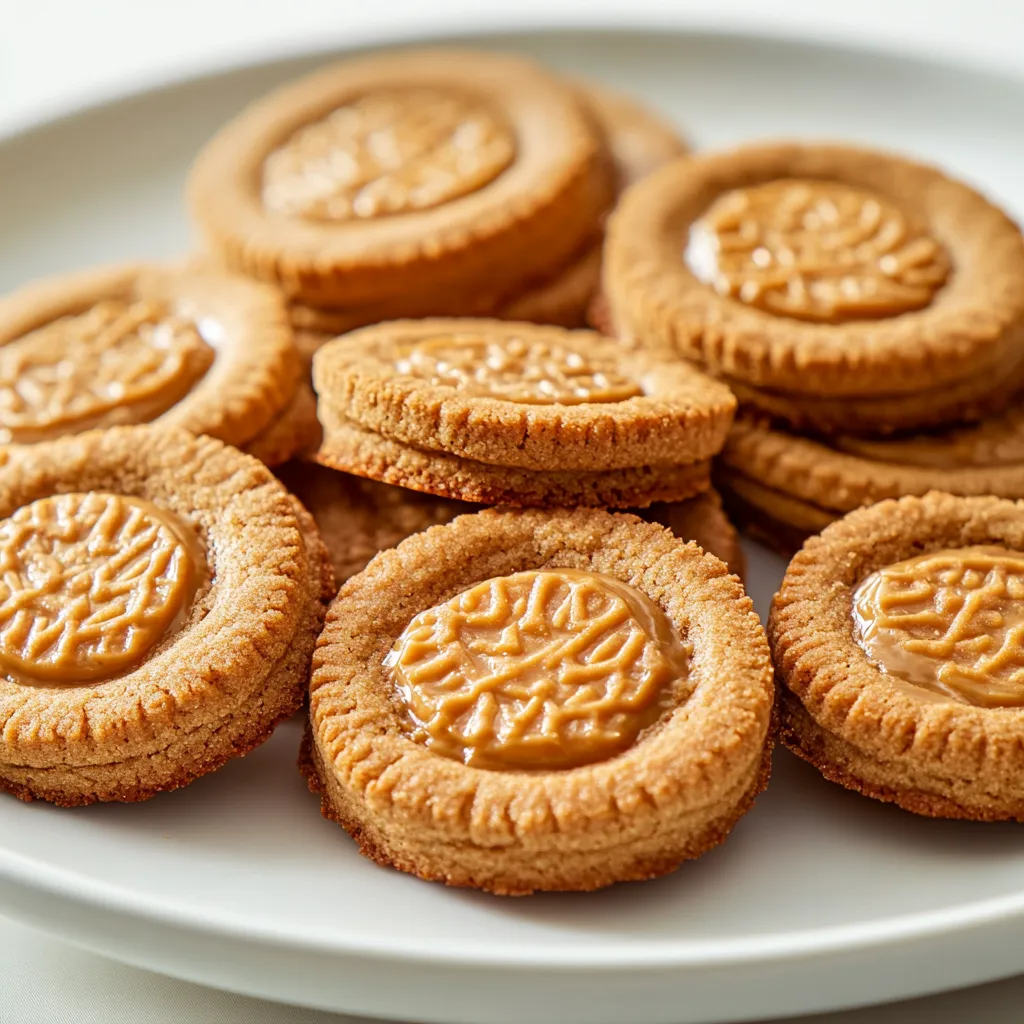
Biscoff Cookie Butter Bliss Cookies are a delightful treat that merge the beloved flavors of Biscoff cookies with the comforting allure of classic homemade cookies. With their creamy cookie butter base, these cookies offer a unique twist that elevates the traditional cookie experience. The depth of flavor from the cookie butter combined with the buttery richness creates a mouthwatering cookie that is both chewy and soft, perfect for any occasion.
The rise of cookie butter as a standout ingredient in baking and desserts has transformed the way many approach cookie recipes. Originally popularized by the spread made from crushed speculoos cookies, cookie butter brings a unique spiced flavor and a rich texture that enhances everything it touches. These Biscoff Cookie Butter Bliss Cookies harness those irresistible qualities, making them not just delicious but also fun to make.
Essential elements like texture and flavor balance are paramount in cookie recipes. The combination of creamy, crunchy, sweet, and a touch of salt creates a multi-dimensional experience that makes these cookies stand out. Whether served at a gathering, shared as a special treat for friends, or enjoyed solo with a cup of coffee, these cookies are bound to delight.
Recipe Overview
– Total Time: 30 minutes
– Prep Time: 15 minutes
– Cook Time: 10-12 minutes
– Yield/Servings: 24 cookies
– Difficulty: Not specified in the recipe
This cookie recipe features a beautifully balanced profile of sweetness, spice, and creamy richness thanks to the Biscoff cookie butter. Ideal occasions for serving these delectable cookies include holiday gatherings, casual get-togethers, or simply as a sweet indulgence during a cozy night in.
Nutritional highlights of the key ingredients reveal that Biscoff cookie butter provides a unique blend of flavors while maintaining a buttery, silky texture. The use of both granulated and brown sugar results in a cookie that is not only sweet but also has a satisfying chewiness, enhanced further by the presence of unsalted butter and large eggs, which impart moisture and structure.
Ingredients
– 1 cup Biscoff cookie butter
– 1/2 cup unsalted butter, softened to room temperature
– 1/2 cup granulated sugar
– 1/2 cup brown sugar, packed firmly
– 1 large egg
– 1 teaspoon pure vanilla extract
– 2 cups all-purpose flour
– 1 teaspoon baking soda
– 1/2 teaspoon salt
– 1/2 cup Biscoff cookies, crushed into small pieces (for mixing)
– Additional Biscoff cookies for topping (optional)
The star of this recipe is undoubtedly the Biscoff cookie butter, which boasts a unique flavor profile derived from caramelized biscuits. Its creamy texture adds a wonderful richness to the cookies. Unsalted butter plays a crucial role in ensuring the right balance of moisture and richness, creating a tender crumb. The use of granulated and brown sugars not only contributes sweetness but also influences the final cookie’s texture, with brown sugar lending chewiness and depth.
Each large egg in the recipe serves to bind the ingredients while providing stability during baking, contributing to the final cookie’s overall structure. In terms of dry ingredients, all-purpose flour offers sufficient strength for the cookie’s body, while baking soda acts as a leavening agent to ensure that the cookies rise and maintain their structure. A pinch of salt enhances the sweet flavors, making for a well-balanced bite.
The addition of crushed Biscoff cookies throughout the dough creates delightful pockets of flavor and texture, while the optional topping of whole Biscoff cookies introduces a charming visual appeal as well as an extra crunch. This recipe’s flexibility makes it easy to adjust for dietary restrictions or personal preferences.

Instructions
1. Preheat your oven to 350°F (175°C) and prepare a baking sheet by lining it with parchment paper.
2. In a large mixing bowl, combine the softened unsalted butter with the Biscoff cookie butter. Use either a hand mixer or a stand mixer to cream these together with the granulated sugar and packed brown sugar until the mixture is light, fluffy, and well-blended.
3. Add in the large egg and pure vanilla extract, mixing until fully incorporated and the mixture is smooth.
4. In a separate bowl, whisk together the all-purpose flour, baking soda, and salt until combined.
5. Gradually add the dry mixture to the wet ingredients, stirring gently until just combined. Be cautious not to overmix to maintain the cookie’s texture.
6. Carefully fold in the crushed Biscoff cookies, ensuring they are evenly dispersed throughout the dough.
7. Using a cookie scoop or a tablespoon, portion out rounded balls of dough onto the lined baking sheet, leaving enough space between each for spreading during baking.
8. If desired, gently press a whole Biscoff cookie into the center of each dough ball for an extra touch of decoration and flavor.
9. Bake in the preheated oven for 10-12 minutes, or until the edges are a light golden brown. The centers may appear slightly soft but will continue to set as they cool down.
10. Allow the cookies to rest on the baking sheet for about 5 minutes before carefully transferring them to a wire rack to cool completely.
Preparing the Dough
The method of combining ingredients when making cookies is critical for achieving the desired texture and flavor. By starting with softened unsalted butter and Biscoff cookie butter, you ensure that they cream together effortlessly, creating an airy base. The combination of both sugars contributes to the sweetness and rich flavor profile, which are characteristic of classic cookies.
When incorporating the egg and vanilla extract, the mixture should be blended until just smooth; over-mixing can lead to a denser cookie. Mixing the dry ingredients separately is essential as well; whisking them together ensures that the baking soda and salt are evenly distributed throughout the flour. Adding the dry mixture gradually to the wet ingredients promotes a gentle folding process, essential for avoiding gluten development which could lead to tough cookies.
Folding in the crushed Biscoff cookies should be done carefully to maintain the delicate structure of the dough. This step ensures that each cookie is infused with crunchy bits of cookie, offering texture and a delightful burst of flavor.
Shaping the Cookies
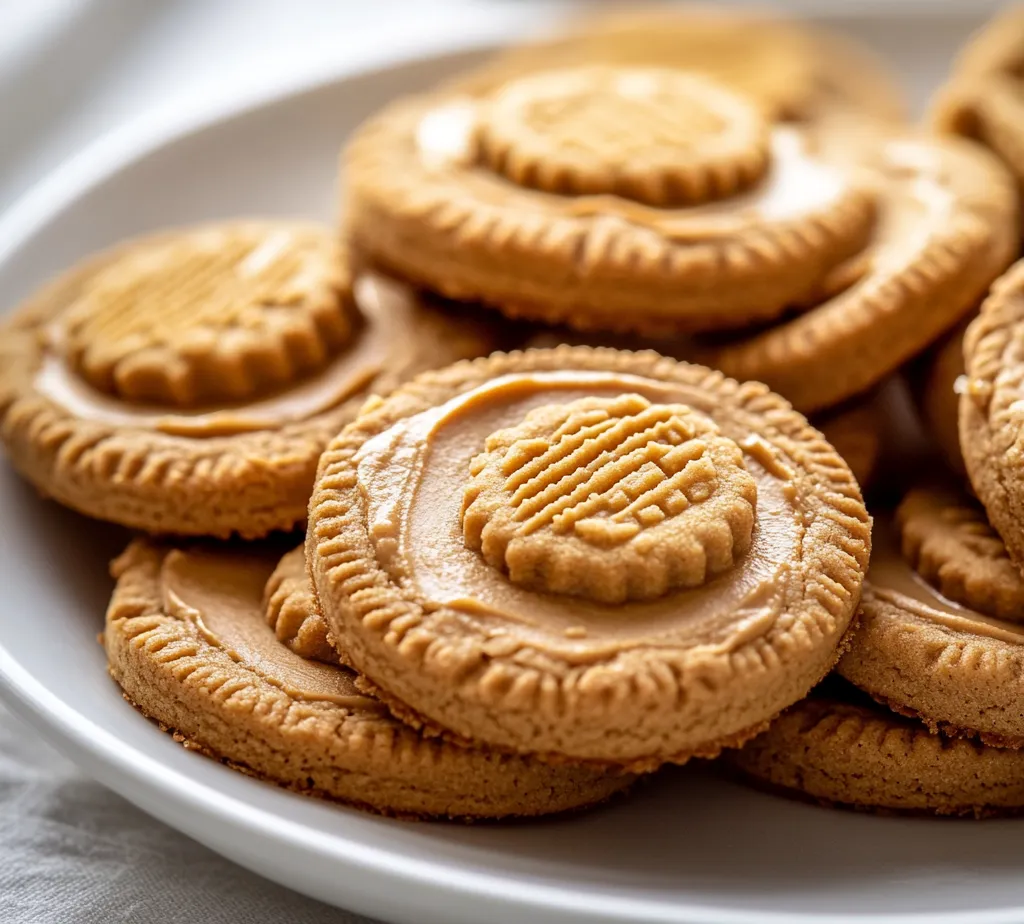
When it comes to shaping cookie dough, consistency is paramount for even baking. Using a cookie scoop or a tablespoon allows for uniform portions, ensuring all cookies bake at the same rate. Spacing them properly on the baking sheet is also crucial, as the dough will spread during baking. For those who choose to press an additional whole Biscoff cookie onto each dough ball, doing so gently will create an appealing presentation and infuse extra flavor into the cookies as they bake.
Using a cookie scoop vs. tablespoon measurement
When preparing the Biscoff Cookie Butter Bliss Cookies, using a cookie scoop is often the best choice compared to a tablespoon. A cookie scoop allows for more uniform cookie sizes, ensuring even baking and consistent texture. This tool typically has a spring-loaded mechanism that helps to release the dough cleanly onto the baking sheet, resulting in perfectly shaped cookies without the mess of manually scooping. If a cookie scoop isn’t available, a tablespoon can still be used—but be sure to level off the dough for consistent portions.
Spacing cookies on the baking sheet
Spacing is crucial when placing the cookie dough balls on the prepared baking sheet. Each cookie should be spaced about 2 inches apart to allow for sufficient spreading during baking. The recommended spacing helps prevent the cookies from merging into one another, ensuring they maintain their individual shape and texture. Insufficient spacing can lead to flat, oversized cookies that lose their chewy delight and distinct edges.
Importance of leaving space for spreading
Allowing enough space between each cookie maximizes the cookies’ desired texture, as it guarantees they will spread properly while baking without overcrowding. Each cookie needs room to expand into its ideal shape, and proper spacing aids in achieving the golden-brown edges and tender center characteristic of these cookies. It also helps with even cooking, ensuring that no raw dough stays trapped between cookies.
Adding a decorative Biscoff cookie on top
If you opt to add a decorative whole Biscoff cookie on top of each dough ball, it not only enhances the visual appeal of the cookies but also adds an additional layer of flavor. This decorative touch serves as a signal to the delightful surprise within. The whole cookie becomes slightly caramelized during the baking process, providing a crunchy contrast to the soft, chewy texture of the cookies. It’s a simple yet effective way to elevate the presentation of your baked goods, making them ideal for gatherings or special celebrations.
Baking the Cookies
Preheating the oven correctly
Preheating the oven to the designated 350°F (175°C) is an essential step that should not be overlooked. Starting with a fully preheated oven prepares the baking environment properly, allowing for even heat distribution while the cookies are baking, which contributes significantly to their final texture and appearance.
Importance of using parchment paper
Lining the baking sheet with parchment paper is highly recommended. This simple step not only prevents the cookies from sticking but also aids in even baking and prevents the bottoms from becoming too dark. Parchment paper can easily be removed and cleaned, making the overall cleanup process much more manageable.
How it affects cookie baking and cleanup
The use of parchment paper facilitates optimal heat circulation around the cookies, promoting a beautifully baked exterior while maintaining a gooey center. It also prevents any potential mess from melted butter or cookie dough from adhering to the baking sheet, contributing to a stress-free baking experience.
Identifying when cookies are done baking
Determining the perfect end to the baking process can be pivotal. The visual cues include seeing a light golden brown around the edges, while the centers may still appear a little soft. This is ideal, as they will continue to set as they cool. The aroma of caramelization and the smell of toasted cookie butter will signal that your cookies are close to being done.
Cooling process once removed from the oven
Once removed from the oven, it’s crucial to let the cookies rest on the baking sheet for about five minutes. This resting period allows them to firm up slightly, preventing breakage when transferring them to a cooling rack. If moved too soon, the cookies can end up flat or fall apart.
Importance of resting on the baking sheet before transferring to a wire rack
Resting on the baking sheet is a critical step in achieving the desired cookie texture. It allows residual heat to continue the cooking process properly and ensures that the cookies retain their shape. Once transferred to a wire rack, they will cool completely, further solidifying their structure.
Presentation Tips
Options for enhancing cookie appearance
Enhancing the appearance of your cookies can be done with a few thoughtful touches. Consider drizzling some melted white chocolate over cooled cookies for an elegant and gourmet presentation. This not only looks appealing but adds a hint of sweetness that perfectly complements the spice in the Biscoff cookie butter.
Dusting with powdered sugar for a classic finish
Another simple yet effective way to elevate your cookies is by dusting them lightly with powdered sugar. This classic touch adds a visual contrast, offering a snowy appearance that looks festive—perfect for holiday gatherings or special occasions.
Serving ideas for special occasions
These cookies can be tailored for various occasions, whether for a casual family treat, a sophisticated dessert platter, or a gift for someone special. Pairing them with coffee or milk can enhance the overall experience, elevating your cookie serving to a delightful snack or dessert.
Packaging tips for gifting or sharing
When sharing your Biscoff Cookie Butter Bliss Cookies, consider packing them in decorative boxes or bags. Layer them between sheets of parchment to prevent sticking, and add a ribbon or label for a personal touch. This makes for a charming gift that showcases your thoughtful baking craft.
Storage Solutions
Best practices for storing baked cookies to maintain freshness
To maintain the freshness of your cookies, they should be stored in an airtight container. This prevents exposure to air, which can lead to staleness. Ideally, cookies should be separated with parchment paper when stored to maintain their shape and texture.
Freezing cookies for later enjoyment
For longer preservation, baked cookies can be frozen. Allow them to cool completely, and then place them in a single layer on a baking sheet before transferring to a freezer-safe container. They can be enjoyed later without compromising their delightful taste and texture.
Thawing tips for previously frozen cookies
When ready to enjoy the frozen cookies, allow them to thaw at room temperature for about 30 minutes. For a fresh-baked sensation, consider warming them up in an oven preheated to 350°F (175°C) for a few minutes, restoring their luscious, chewy consistency.
Pairing Suggestions
Recommended beverages to accompany the cookies
These cookies pair delightfully with several beverages. A cup of coffee enhances their rich flavors, while a warm cup of chai or spiced tea complements their caramel and spice notes. For those seeking refreshment, a glass of cold milk or an iced latte can balance with indulgent sweetness.
Other desserts that complement Biscoff flavors
If you’re planning to serve these cookies with other desserts, consider options like chocolate mousse or vanilla ice cream. The creamy textures can be a rich counterpoint to the chewy cookies, making for a delicious dessert spread.
Ideas for dessert platters and spreads
Create a dessert platter featuring the Biscoff cookies alongside fruit, nuts, or small brownies for a delightful mix of flavors and textures. This variety can appeal to a wide range of tastes and is perfect for gatherings or potlucks.
Troubleshooting Common Issues
What to do if cookies spread too much
If your cookies spread too much during baking, make sure to chill the dough for about 30 minutes before scooping them onto the baking sheet. This can help reduce spreading, resulting in thicker cookies with better shape.
Adjusting baking times for different ovens
If you notice your cookies take longer or shorter to bake than specified, it might be due to the differences in oven calibration. Keep an eye on the first batch and adjust the timer for subsequent batches based on your observations.
Tips for achieving the right texture based on climate
Environmental factors like humidity can affect the dough’s moisture level and overall texture. If you’re in a humid climate, consider reducing the amount of added liquid ingredients slightly or increasing the flour to achieve the ideal cookie dough consistency.
Conclusion
Biscoff Cookie Butter Bliss Cookies offer a delightful blend of creamy and spiced flavors with a wonderfully chewy texture. Their golden edges and soft centers make them a perfect treat for any occasion, and with a total preparation and baking time of just 30 minutes, they are a quick yet indulgent option for cookie lovers.
Biscoff Cookie Butter Bliss Cookies Recipe
Ingredients
- 1 cup Biscoff cookie butter
- ½ cup unsalted butter softened
- ½ cup granulated sugar
- ½ cup brown sugar packed
- 1 large egg
- 1 teaspoon pure vanilla extract
- 2 cups all-purpose flour
- 1 teaspoon baking soda
- ½ teaspoon salt
- ½ cup Biscoff cookies crushed
- Additional Biscoff cookies for topping
Instructions
- Preheat your oven to 350°F (175°C) and line a baking sheet with parchment paper.
- In a large bowl, cream together the softened butter and Biscoff cookie butter with granulated and brown sugar until light and fluffy.
- Add the egg and vanilla extract, mixing until smooth.
- In a separate bowl, whisk together flour, baking soda, and salt.
- Gradually add the dry ingredients to the wet mixture, stirring gently until just combined.
- Fold in the crushed Biscoff cookies evenly throughout the dough.
- Scoop rounded balls of dough onto the prepared baking sheet, leaving space between each.
- Optionally, press a whole Biscoff cookie into the center of each dough ball.
- Bake for 10-12 minutes until edges are golden brown and centers are slightly soft.
- Let cookies rest on the baking sheet for 5 minutes before transferring to a wire rack to cool.