
Introduction
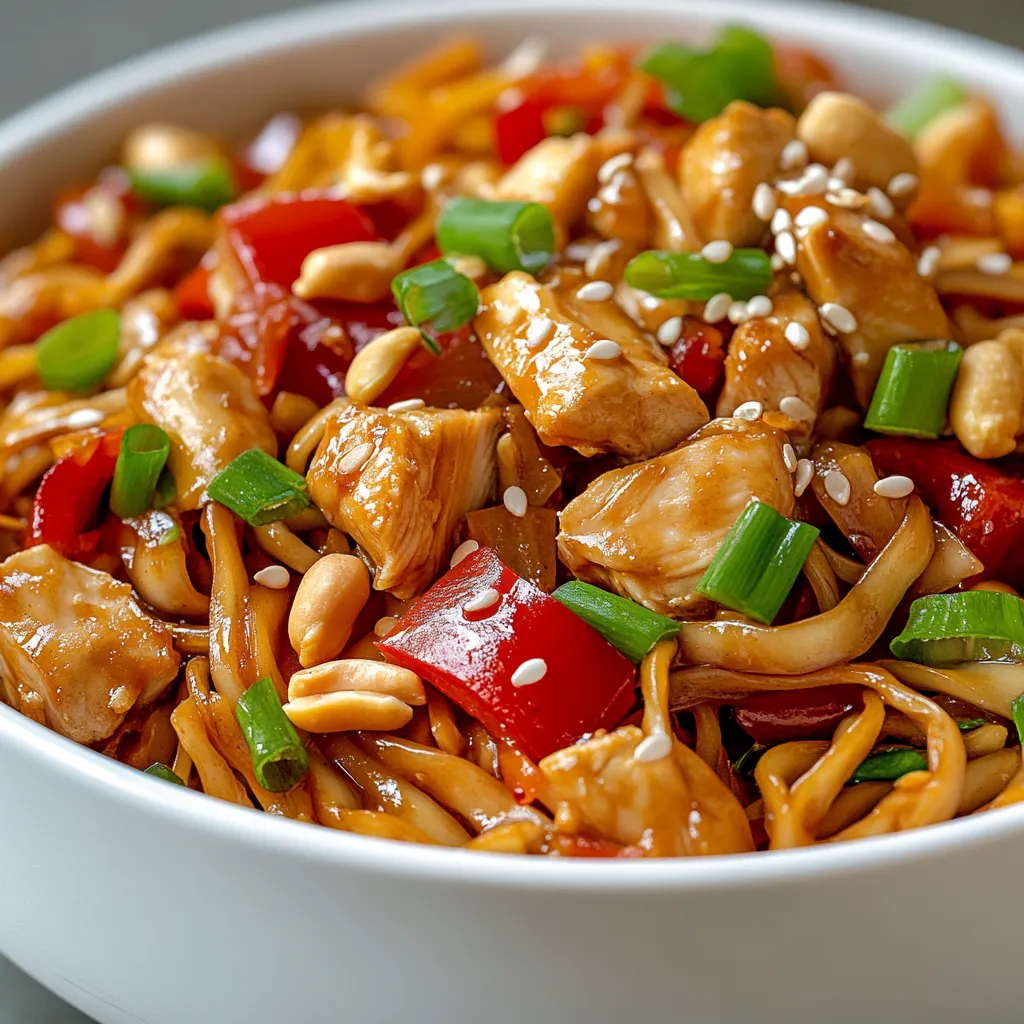
Explore the delightful fusion of flavors in Kung Pao Chicken Noodles, a satisfying dish that marries tender chicken, vibrant vegetables, and savory sauces. This recipe brings the popular Kung Pao stir-fry into a delightful noodle dish, perfect for a weeknight dinner or an impressive meal for guests. With the combination of the rich flavor from the chicken and the crunch of the peanuts, each bite of this dish offers a unique taste experience. The appeal of Kung Pao Chicken Noodles lies not only in its wonderful flavors but also in its simple preparation, making it accessible for cooks of all skill levels.
Kung Pao Chicken Noodles exemplify how a few quality ingredients can come together to create something truly special. The noodles serve as the perfect canvas for the bold flavors of the chicken, vegetables, and sauce. Whether you are hosting a small gathering or preparing a cozy family dinner, this dish is sure to impress everyone at the table.
Recipe Overview
– Total Time: 30 minutes
– Servings: 4
– Difficulty: Not specified in the recipe
Ingredients
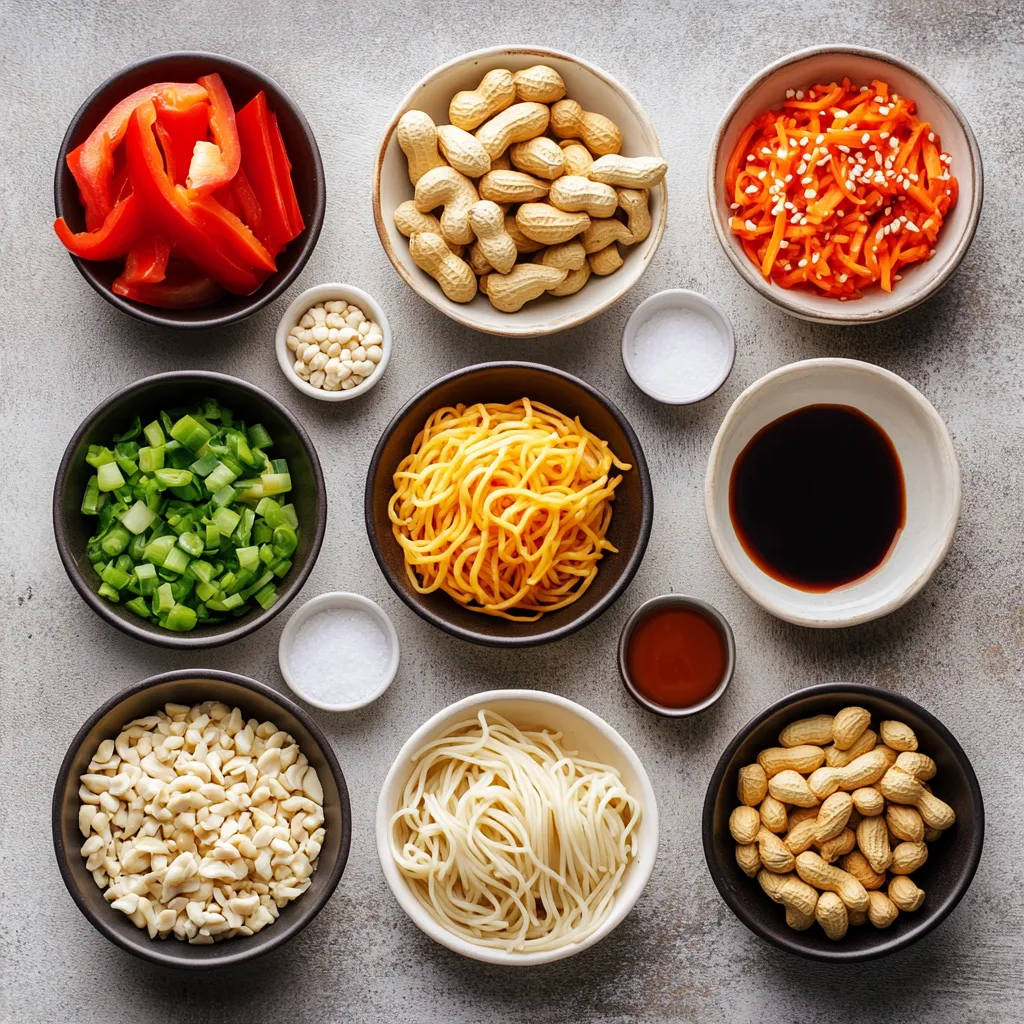
– 8 oz egg noodles
– 1 lb boneless, skinless chicken breast, diced into bite-sized pieces
– 2 tablespoons vegetable oil, divided
– 1 red bell pepper, diced
– 1 green bell pepper, diced
– 1 cup unsalted roasted peanuts
– 2 green onions, thinly sliced
– 3 cloves garlic, minced
– 1 tablespoon fresh ginger, minced
– 3 tablespoons soy sauce
– 2 tablespoons rice vinegar
– 2 tablespoons hoisin sauce
– 1 tablespoon sesame oil
– 1 tablespoon chili paste (adjust according to your heat preference)
– Salt and pepper to taste
– Sesame seeds for garnish (optional)
Instructions
1. Cook the Noodles: Begin by bringing a large pot of salted water to a rolling boil. Add the egg noodles and cook according to the package instructions until they reach an al dente texture. Once cooked, drain the noodles thoroughly and set them aside.
2. Prepare the Sauce: In a small mixing bowl, combine the soy sauce, rice vinegar, hoisin sauce, sesame oil, and chili paste. Whisk the ingredients together until well combined, then set the sauce aside for later use.
3. Cook the Chicken: In a large skillet or wok, heat 1 tablespoon of vegetable oil over medium-high heat. Once hot, add the diced chicken and season it generously with salt and pepper. Sauté the chicken for approximately 5-7 minutes, or until it is evenly browned and cooked through. Once done, remove the chicken from the skillet and keep it warm on a plate.
4. Stir-Fry the Vegetables: In the same skillet, add the remaining tablespoon of vegetable oil. Once heated, add the minced garlic and ginger, sautéing for about 30 seconds until they become fragrant. Next, toss in the diced red and green bell peppers. Stir-fry for 3-4 minutes, ensuring the peppers remain tender but still crisp.
5. Combine Everything: Return the cooked chicken to the skillet along with the sautéed vegetables. Pour the prepared sauce over the mixture, stirring well to ensure everything is evenly coated. Allow the dish to cook for an additional 2-3 minutes, letting the sauce thicken slightly.
6. Add Noodles and Peanuts: Gently incorporate the cooked egg noodles and roasted peanuts into the skillet. Toss everything together carefully, ensuring the noodles are well coated with the flavorful sauce and heated through.
7. Garnish and Serve: Once fully combined, remove the skillet from the heat. Garnish with the sliced green onions and a sprinkle of sesame seeds if desired. Serve the Kung Pao Chicken Noodles hot and enjoy the burst of flavors!
Cooking Techniques
Understanding the cooking methods used in this recipe can enhance your culinary skills.
Boiling Noodles
When boiling noodles, it’s crucial to use salted water. This not only enhances the flavor of the noodles but also helps in achieving a perfect al dente texture. Al dente means that the noodles are cooked through but still firm to the bite, providing a pleasant texture in the final dish. Ensure to drain the noodles well once they have cooked to prevent any excess moisture from diluting the flavorful sauce.
Sautéing Chicken
When sautéing the chicken, it’s essential to use medium-high heat. This high temperature ensures that the chicken will sear quickly, locking in the juices and creating a lovely brown crust. It’s important to season the chicken generously with salt and pepper before cooking. This simple step enhances the flavor of the protein, making it an integral part of the dish. Once cooked through, removing the chicken from the skillet helps keep it warm while preventing it from overcooking.
Stir-Frying Vegetables
Stir-frying is a rapid cooking technique that requires high heat and fast movements. This method is especially effective for preserving the texture and color of vegetables. In this recipe, after sautéing garlic and ginger to release their fragrant oils, add the bell peppers to the skillet. Cook them briefly to maintain a slight crispness while ensuring they are still tender. The timing here is crucial; adding them after the aromatics releases a complex layer of flavors to the dish.
Flavor Profile
A breakdown of the different flavors that compose Kung Pao Chicken Noodles.
Sweet and Savory
The interplay of flavors in Kung Pao Chicken Noodles comes from the combination of hoisin sauce and soy sauce. Hoisin sauce adds a sweet profile, while soy sauce introduces a savory umami depth. Together, they provide a well-balanced flavor that complements the chicken and vegetables beautifully. The sweetness of the hoisin sauce helps to soften the heat from the chili paste and creates an overall harmonious taste experience.
Tangy Elements
The presence of rice vinegar in this dish introduces a tangy brightness that lifts the overall flavor. It serves to balance the richness of the other sauces, ensuring that each bite isn’t too heavy. The acidity from the vinegar works hand in hand with the various sauces, providing a contrast to the sweet and salty notes, making each mouthful refreshing.
Spicy Kick
For those who enjoy a bit of heat, the chili paste is key to achieving just the right level of spiciness. This recipe allows for customization, as you can adjust the amount of chili paste according to your heat preference. The spicy kick from the paste enhances the overall flavor profile, elevating the dish with a satisfying warmth that lingers on the palate.
Choosing quality poultry
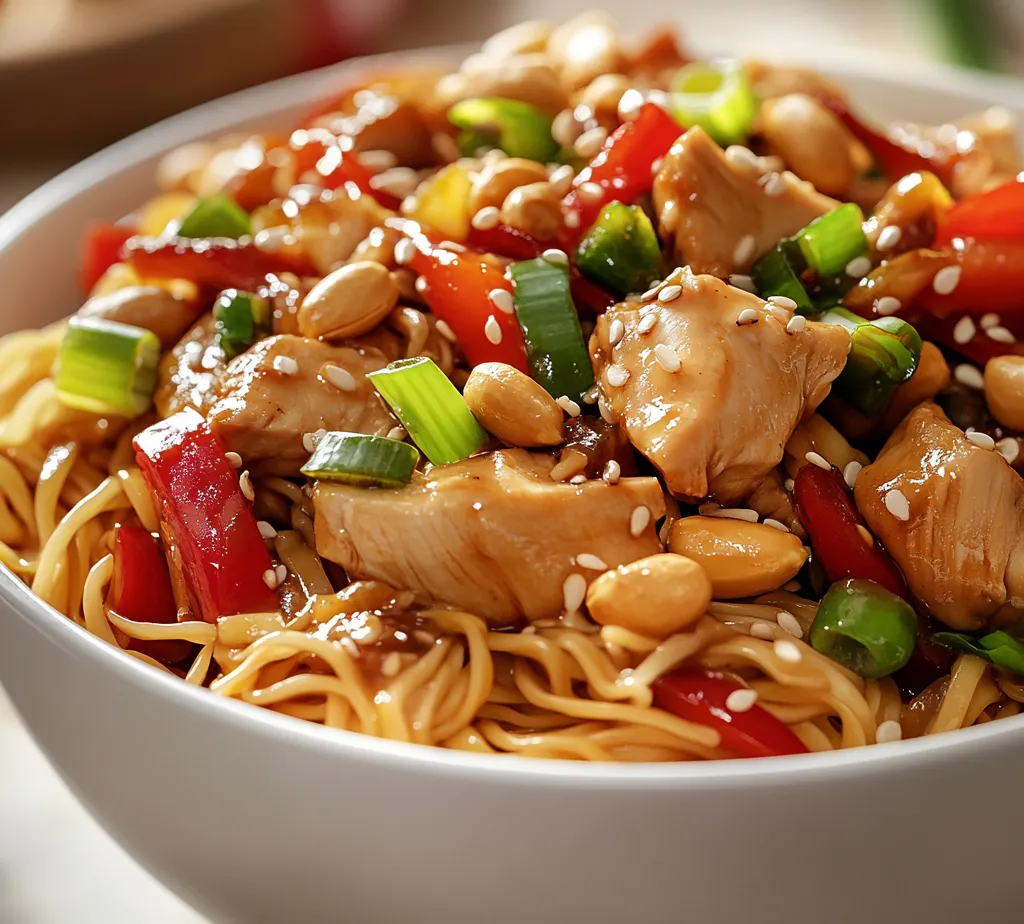
Selecting high-quality chicken breast is crucial for achieving the best flavor and texture in your Kung Pao Chicken Noodles. Look for chicken that appears pink and moist, with no signs of browning or odor. Organic or free-range options are preferable as they often have a better taste and texture due to a more natural diet and living conditions. If you have access to a local butcher, consider asking for freshly cut chicken, which can make a significant difference in overall quality.
Substitutions for dietary preferences
In cases where chicken is not suitable, there are alternative proteins you can use that still complement the dish well. Tofu is an excellent vegetarian substitute that absorbs flavors beautifully and provides a good source of protein. For those following a gluten-free diet, ensure that the soy sauce is certified gluten-free or opt for tamari. Note that using alternative proteins may alter the cooking times slightly, so always check for doneness accordingly.
Noodle Selection
Types of noodles suitable for this recipe
While this recipe specifically calls for egg noodles, other noodle types can work in a pinch. Udon noodles, rice noodles, or even whole wheat noodles can be suitable alternatives. Each type provides a unique texture that can alter the experience slightly, so feel free to experiment based on what you have on hand or your dietary needs.
Importance of egg noodles
Egg noodles are preferred for this dish not only for their rich flavor but also for their ability to hold onto sauces well. Their slightly chewy texture complements the tender chicken and crunchy vegetables beautifully, contributing to an enjoyable eating experience.
Freshness of Produce
How fresh vegetables impact flavor and texture
Fresh ingredients greatly enhance the flavor and texture of your Kung Pao Chicken Noodles. Use vibrant, brightly colored bell peppers that are firm to the touch. Fresh garlic and ginger also contribute crucial aromatic qualities that elevate the dish. The fresher the vegetables, the more flavorful your stir-fry will be, ensuring each ingredient shines through.
Preparation Steps
A step-by-step guide to prepare your Kung Pao Chicken Noodles efficiently
Begin by prepping all ingredients before starting the cooking process. Dice the chicken, chop the bell peppers, and slice the green onions, ensuring everything is ready to go. Having these components prepared in advance helps streamline the cooking process, allowing you to focus on timing and technique.
Time Management
Organizing your prep work for efficiency
To maximize efficiency in your cooking time, organize your workspace and tools beforehand. Lay out all ingredients and tools you will use, from bowls to spatulas. This level of preparation allows for an easier transition between cooking steps, especially when you’re sautéing and need to add ingredients quickly.
Using downtime while noodles cook
While the noodles are boiling, use this time to prepare your sauce and chop the vegetables. This multitasking approach takes advantage of the cooking time and makes for a smooth cooking experience without feeling rushed.
Creating the Sauce
Proper mixing techniques for even flavor
Mixing the sauce is straightforward, but ensure thorough mixing to achieve an even distribution of flavors. Whisking vigorously combines all ingredients, from the soy sauce to the chili paste, preventing clumping and ensuring a harmonious balance throughout the dish.
Cooking Process
Breaking down each essential step in the cooking process
Cooking your Kung Pao Chicken Noodles requires attention to detail in each step to achieve the best result.
Cooking the Noodles
Tips for preventing stickiness
To prevent sticky noodles, make sure to stir them during the first few moments of boiling. Adding a drizzle of oil at the end of cooking can enhance the texture and keep them from clumping together. Also, ensure they are thoroughly drained to avoid excess moisture when mixing with other ingredients.
Cooking the Chicken
Key signs of doneness
When cooking the chicken, look for a uniform, golden color, and ensure it is thoroughly cooked, reaching an internal temperature of 165°F. The chicken should no longer be pink inside, but retain moisture to prevent a dry outcome.
How to keep the chicken juicy
For juicy chicken, avoid overcrowding the pan. If necessary, cook in batches to ensure each piece can brown evenly. Coating the chicken lightly with cornstarch before cooking can also help lock in moisture during the sautéing process.
Stir-Frying the Vegetables
Achieving the perfect balance between tender and crisp
The key to perfectly cooked vegetables is ensuring that they are sautéed high enough in temperature, allowing them to retain a slight crispness while achieving tenderness. Stir-frying for 3-4 minutes on medium-high heat is generally sufficient, allowing the vibrant color to stay intact while enhancing their natural sweetness.
Final Assembly
Combining all elements for optimum flavor integration
When combining all ingredients, gently toss the cooked noodles and peanuts with the chicken and vegetables. This step allows the sauce to evenly coat each element, ensuring that every bite is packed with flavor. Take your time during this final assembly to make sure the entire dish integrates well, which contributes to the overall enjoyment.
Tips for Perfecting Your Dish
Expert advice to ensure your Kung Pao Chicken Noodles shine
Adjusting Heat Levels
Modifying chili paste based on your heat preference
If you prefer a milder dish, reduce the amount of chili paste used. Conversely, for a spicier outcome, increase the quantity until you find your desired heat level. Remember that heat can always be adjusted, but it’s hard to remove once it’s in.
Balancing with sweetness if necessary
If the dish is too spicy, consider balancing out the heat with a touch of additional hoisin sauce or a sprinkle of sugar. This adjustment can create a more harmonious flavor profile.
Garnishing Techniques
How to effectively use green onions and sesame seeds
For the best aesthetic appeal, thinly slice green onions diagonally for a professional touch and sprinkle them generously over the finished dish. Similarly, toasting sesame seeds briefly before garnishing can enhance their flavor, providing a delightful crunch.
Serving Suggestions
Best practices for plating and presentation
Serve the Kung Pao Chicken Noodles in deep bowls to allow for ample sauce pooling at the bottom, encouraging diners to enjoy the flavors together with each bite. Adding a few whole peanuts and fresh cilantro on top adds visual appeal and extra texture.
Storing and Reheating
Guidelines for maintaining freshness and flavor after cooking
Storage Instructions
Leftovers should be cooled to room temperature before transferring them to an airtight container. They can be stored in the refrigerator for 3-4 days, but the noodles may absorb moisture, affecting their texture.
Reheating Tips
To reheat Kung Pao Chicken Noodles without losing the dish’s essence, consider using a skillet over medium heat. Add a splash of water or broth to steam the noodles slightly, ensuring they remain moist without becoming mushy. Stir frequently to avoid sticking and promote even heating.
Conclusion
Kung Pao Chicken Noodles deliver a balanced combination of tender chicken, crunchy peanuts, and crisp vegetables enveloped in a rich, savory sauce. The dish can be prepared in just 30 minutes, making it an ideal choice for a quick yet satisfying meal that bursts with flavor and texture. Enjoy this delightful culinary experience any night of the week.
Kung Pao Chicken Noodles Recipe
Ingredients
- 8 oz egg noodles
- 1 lb boneless skinless chicken breast
- 2 tablespoons vegetable oil
- 1 red bell pepper
- 1 green bell pepper
- 1 cup unsalted roasted peanuts
- 2 green onions
- 3 cloves garlic
- 1 tablespoon fresh ginger
- 3 tablespoons soy sauce
- 2 tablespoons rice vinegar
- 2 tablespoons hoisin sauce
- 1 tablespoon sesame oil
- 1 tablespoon chili paste
- Salt and pepper to taste
- Sesame seeds for garnish
Instructions
- Cook the egg noodles in salted boiling water until al dente, then drain and set aside.
- Combine soy sauce, rice vinegar, hoisin sauce, sesame oil, and chili paste in a bowl and whisk together.
- Heat 1 tablespoon of vegetable oil in a skillet, add diced chicken, season with salt and pepper, and sauté until cooked through.
- Remove chicken from skillet and keep warm.
- In the same skillet, heat remaining oil, add minced garlic and ginger, and sauté until fragrant.
- Add diced bell peppers and stir-fry until tender but crisp.
- Return chicken to skillet, pour sauce over, and cook for 2-3 minutes to thicken.
- Add cooked noodles and peanuts, tossing to coat everything in the sauce.
- Garnish with sliced green onions and sesame seeds before serving.