
Introduction
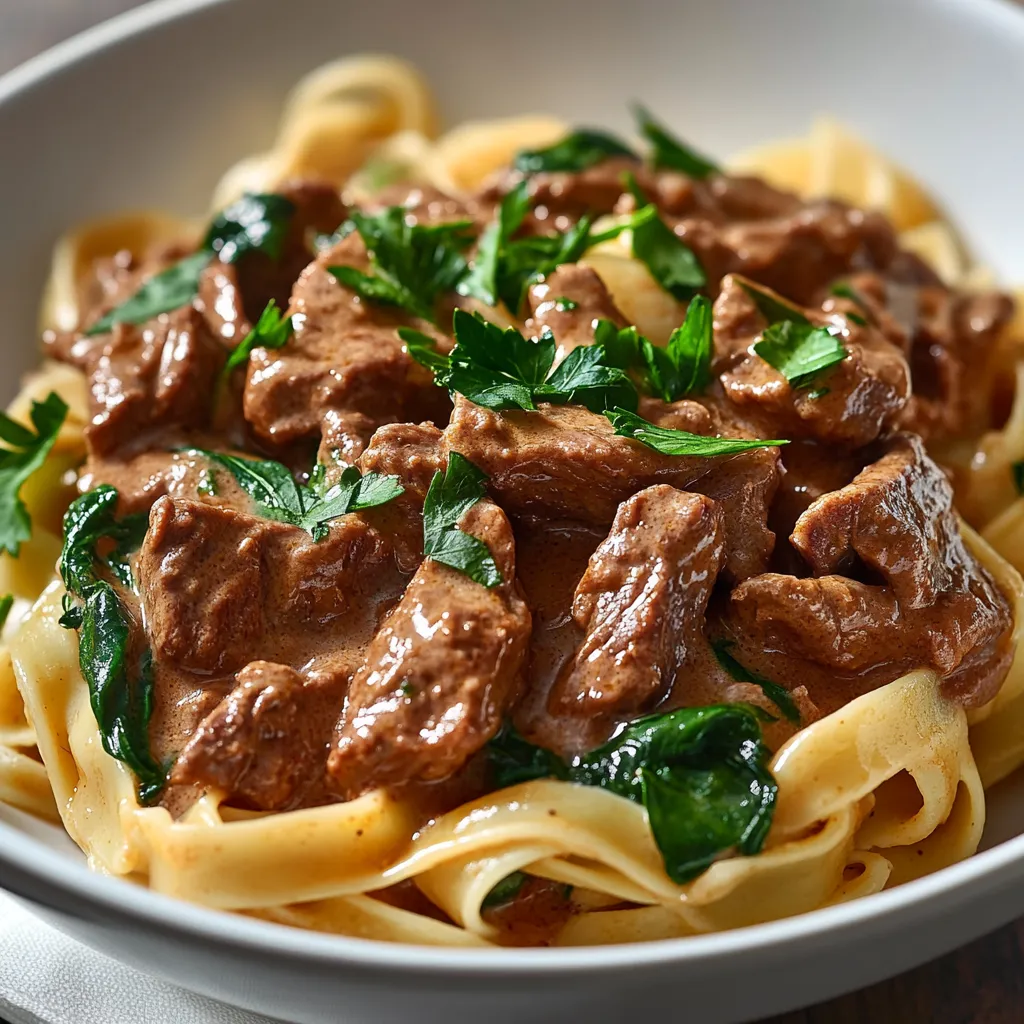
Understanding the timeless appeal of comfort food is essential in today’s fast-paced world. Slow Cooker Creamy Garlic Beef Pasta offers a unique blend of rich flavors and textures, perfect for a comforting meal that feeds the soul. This dish is designed for those who appreciate tender meat enveloped in a creamy garlic sauce, accompanied by pasta and vibrant greens. Slow cooking not only allows the ingredients to meld beautifully but also ensures that the beef becomes melt-in-your-mouth tender. It’s an ideal option for busy weeknights or when hosting a gathering, allowing for minimal hands-on time while delivering maximum flavor.
As you enjoy this creamy pasta dish, the aroma of garlic and Italian herbs will fill your kitchen, providing a preview of the satisfying meal to come. This recipe is especially suitable for family dinners, special occasions, or any time you desire a dish that evokes warmth and comfort. Pair it with a crisp salad or some crusty bread, and you have a complete meal that pleases both the palate and the heart.
Recipe Overview
– Total Time: 7 hours
– Prep Time: 15 minutes
– Yield/Servings: 6
– Difficulty: Not specified in the recipe.
Ingredients
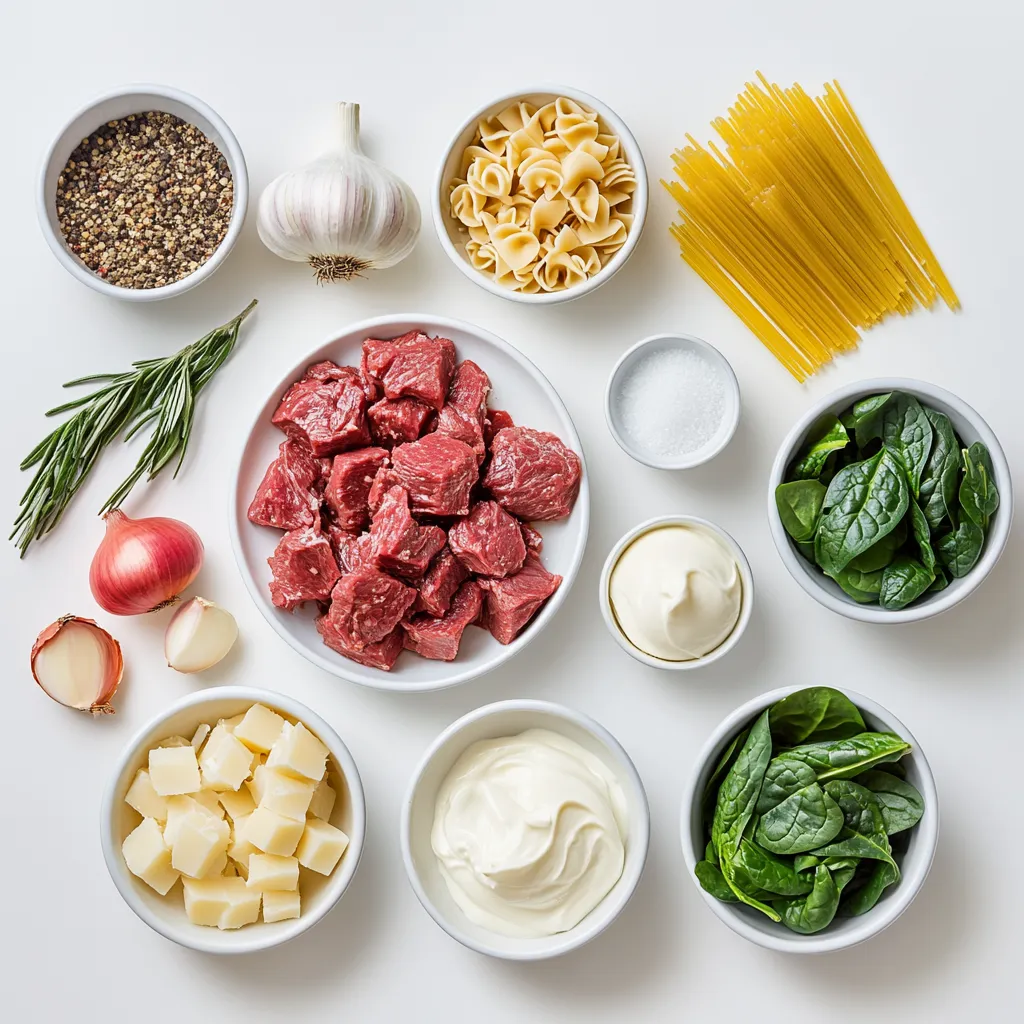
– 1.5 lbs beef stew meat, cut into bite-sized pieces
– 12 oz pasta (penne or fettuccine recommended)
– 1 medium onion, diced
– 4 cloves garlic, minced
– 1 cup beef broth
– 1 cup heavy cream
– 1 cup grated Parmesan cheese
– 1 cup chopped spinach (fresh or frozen)
– 2 tsp Italian seasoning
– Salt and pepper to taste
– Olive oil for sautéing
– Fresh parsley, chopped (for garnish)
Instructions
1. Sauté the Beef: In a large skillet, heat 2 tablespoons of olive oil over medium-high heat. Season the beef stew meat with salt and pepper, then add it to the skillet. Brown the meat on all sides for approximately 5–7 minutes. Once browned, transfer the beef to the slow cooker.
2. Prepare the Aromatics: In the same skillet, add the diced onion and sauté for about 3–4 minutes, or until it becomes translucent. Next, add the minced garlic and Italian seasoning, cooking for an additional minute until the garlic is fragrant. Pour this aromatic mixture over the beef in the slow cooker.
3. Add the Liquids: Pour the beef broth into the slow cooker, ensuring that the beef is well submerged. Cover the slow cooker and set it to cook on low for 6–7 hours or on high for 3–4 hours.
4. Cook the Pasta: Approximately 30 minutes before you plan to serve, cook the pasta according to the package instructions until it reaches an al dente texture. Once cooked, drain and set aside.
5. Make it Creamy: When the beef is tender, stir in the heavy cream and grated Parmesan cheese into the slow cooker. Allow the mixture to simmer on low for an additional 15–20 minutes, allowing the sauce to thicken slightly.
6. Combine: Gently fold the cooked pasta and chopped spinach into the slow cooker, stirring to combine all the ingredients thoroughly. Let it cook for another 5 minutes to ensure everything is heated through.
7. Serve: Taste the dish and adjust the seasoning if necessary. Serve the creamy garlic beef pasta hot, garnished with a sprinkle of fresh chopped parsley for a pop of color.
Nutritional Benefits
Although specific nutritional values are not provided in the recipe, we can appreciate the wholesome ingredients that contribute to a balanced meal. The beef stew meat offers a good source of protein and iron, essential for muscle maintenance and overall health. The heavy cream enriches the dish with calcium and fat, aiding in the absorption of fat-soluble vitamins, while the parmesan cheese boosts both flavor and nutritional content, being rich in protein and calcium as well. Meanwhile, the spinach adds vitamins A and C, as well as dietary fiber, enhancing the nutrient profile of this comforting dish.
Serving Suggestions
When it comes to serving Slow Cooker Creamy Garlic Beef Pasta, consider complementing it with side dishes that bring balance to the meal. A simple arugula salad with a light vinaigrette can enhance the flavors and provide a refreshing contrast to the richness of the pasta. Likewise, serve it with warm, crusty bread; it’s perfect for soaking up any leftover sauce on the plate. For beverages, a medium-bodied red wine can pair beautifully, enhancing the meal’s heartiness. If looking for a non-alcoholic option, a sparkling water with a slice of lemon will cleanse the palate and maintain an elegant dining experience.
Preparation Techniques
Searing the Beef
Searing the beef stew meat is a crucial step in achieving a deeply flavored dish. This process locks in moisture and adds a wonderful brown crust that contributes to the overall taste. To properly sear the meat, ensure that your skillet is hot before adding the oil and beef. This will help in creating that coveted Maillard reaction, which is responsible for the rich, caramelized flavor. Work in batches if necessary, as overcrowding the pan can lower the temperature and result in steaming rather than browning.
Sautéing Aromatics
The key to building a delicious base is in the art of sautéing your aromatics — the diced onion and minced garlic. Begin with medium heat to allow even cooking. The onions should become translucent without browning too quickly, while the garlic should be added towards the end to prevent it from burning. Proper timing here ensures that you extract all the flavors from these ingredients, enriching the overall sauce of the dish.
Slow Cooking Process
Setting the Slow Cooker
Choosing the right setting for your slow cooker can significantly affect the final texture of the dish. Cooking on low for 6–7 hours is ideal for breaking down the tougher cuts of meat, resulting in an exceptionally tender final product. However, if you are short on time, the high setting (3–4 hours) will suffice, though it may yield slightly less tender meat. Whichever setting you select, ensuring the beef is covered by the broth will help maintain moisture and flavor throughout the cooking process.
Timing Considerations
Understanding the timing involved in this recipe is crucial for a successful outcome. The slow cooker will do the work during the bulk of the time, but it’s important to connect the timing of the pasta cooking with the tenderizing of the beef. Since the pasta is cooked about 30 minutes before serving, having an accurate understanding of when to start this step will allow for harmonious meal preparation, ensuring everything is served at the perfect temperature.
Understanding Al Dente Texture
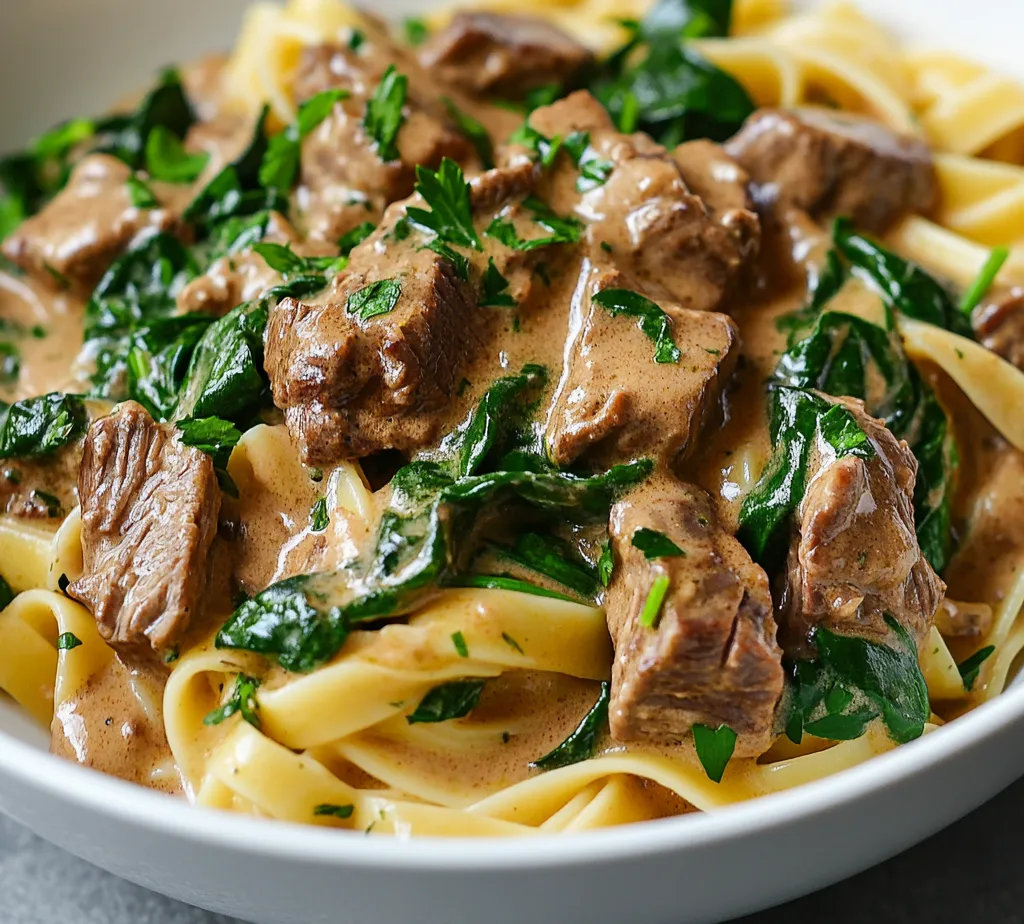
Al dente, an Italian term meaning “to the tooth,” refers to pasta that is cooked until it is firm to the bite. Achieving this perfect texture requires careful attention to timing. Here are some tips to ensure your pasta reaches the desired al dente stage:
– Follow Package Instructions: Always refer to the cooking times on the pasta package, but check the pasta a minute or two before the minimum time.
– Boil in Abundant Water: Cooking pasta in a large pot of salted water ensures an even temperature and keeps the pasta from sticking together.
– Test for Doneness: Take a piece of pasta out of the pot and bite it. It should offer slight resistance yet still be cooked through.
Integration with the Dish
Once your pasta is cooked al dente, properly integrating it with the creamy sauce and beef is crucial. Here’s how to seamlessly combine everything:
– Timing is Key: Add the cooked pasta to the slow cooker when the beef is tender and ready to absorb the flavors of the sauce. This will help the pasta soak up some of the sauce’s richness.
– Gentle Mixing: Use a large spoon or spatula to gently fold the pasta into the beef and sauce rather than stirring vigorously, which can break the pasta and create a mushy texture.
Creating the Creamy Sauce
The final steps are essential for achieving that rich, creamy sauce.
Incorporating Dairy Products
To ensure you incorporate heavy cream and Parmesan cheese properly without curdling, follow these techniques:
– Temperature Matters: Make sure the slow cooker is on low and that the beef mixture is hot before adding the cream. Cold or room-temperature ingredients can cause the sauce to separate.
– Stir Gradually: Slowly whisk the cream and grated Parmesan into the sauce to allow for a smoother integration and avoid temperature shock.
Sauce Consistency
Monitoring the sauce’s thickness is critical. You want a velvety texture that clings to the pasta without being too thick or too runny.
– Assessing Consistency: After adding the heavy cream and Parmesan, give the sauce time to simmer. If it appears too thin, let it cook longer. If it’s too thick, you can thin it out with a small amount of beef broth or water.
– Final Simmer Time: Allow the dish to simmer for an additional 15-20 minutes after adding the creamy ingredients, which helps to meld the flavors together.
Combining Ingredients
The final mixing of pasta, spinach, and sauce is crucial to the integrity of the dish.
Folding Techniques
It’s important to combine your pasta and sauce delicately to maintain the integrity of the pasta.
– Use a Gentle Hand: Instead of stirring, use a folding technique—lift the pasta from the bottom of the slow cooker to the top. This helps keep the pasta intact.
– Layering: Start by adding half of the pasta to the slow cooker, then the spinach, followed by the remaining pasta. This promotes even distribution of flavors and ingredients.
Ensuring Even Heating
Before serving, you want to ensure everything is uniformly heated.
– Check Temperature: If needed, let the dish sit on warm for an additional 5-10 minutes after combining. Taste a bit of the mixture to ensure it’s heated throughout.
– Mix Again: A gentle stir after a few minutes can help distribute heat evenly among all components.
Adjusting Seasoning
Flavors can always be enhanced for a more rounded dish.
Taste Testing
Tasting as you go is essential in achieving the perfect balance of flavors.
– Frequent Sampling: Always taste your dish right after adding the cream and cheese. Adjust the seasoning as necessary, taking into account the flavor intensity of your broth and cheese.
Ideal Flavor Profiles
Adjust seasoning to your liking based on personal or guest preferences.
– Salt and Pepper Adjustments: Start with a pinch of salt and a dash of pepper, adjusting gradually after each addition to avoid overpowering the dish.
– Customization: Let guests add additional seasoning at the table, such as crushed red pepper flakes or more cheese, for personalized flavor adjustments.
Presentation Tips
A beautiful presentation can enhance the dining experience significantly.
Serving Suggestions
Consider the contrasting visual appeal of larger and smaller serving dishes.
– Bowl vs. Plate: A deep bowl enhances the dish’s creamy sauce, while a plate can showcase the pasta with the sauce elegantly pooled beside it. Either option highlights the dish’s beautiful colors.
Garnishing Techniques
Visual appeal can be increased with thoughtful garnishes.
– Herbs and Cheese: Sprinkle chopped parsley and additional Parmesan cheese generously on top just before serving to introduce vibrant color and a fresh flavor note.
– Texture Element: For added visual interest, consider a drizzle of olive oil on top, which can also enhance the flavor and richness.
Storage and Reheating
Proper storage and reheating techniques ensure your leftovers taste just as good as the first serving.
Proper Storage Methods
To maintain freshness, pay attention to how you store your dish.
– Refrigeration: Store any leftovers in an airtight container in the refrigerator for up to 3-4 days. Ensure the pasta is fully cooled before sealing to prevent condensation.
Reheating Techniques
Reheating creamy pasta can be tricky; here’s how to do it best.
– Gentle Reheat: For optimal results, reheat in a saucepan over low heat, stirring frequently to prevent the sauce from separating. If the sauce appears thick, add a splash of water or broth to regain creaminess.
– Microwave Method: Alternatively, if using a microwave, heat in short intervals (30 seconds), stirring in between to distribute the heat evenly, and add a little extra liquid if necessary.
Conclusion
Slow Cooker Creamy Garlic Beef Pasta offers a rich and satisfying culinary experience, merging tender beef, al dente pasta, and a luxuriously creamy sauce. The careful techniques used throughout the cooking process result in a dish that is both comforting and harmonious in flavor. With a generous cooking time and comprehensive preparation, it stands out as a remarkable meal for any occasion.
Slow Cooker Creamy Garlic Beef Pasta Recipe
Ingredients
- 1 ½ lbs beef stew meat
- 12 oz pasta
- 1 medium onion
- 4 cloves garlic
- 1 cup beef broth
- 1 cup heavy cream
- 1 cup grated Parmesan cheese
- 1 cup chopped spinach
- 2 tsp Italian seasoning
- Salt and pepper to taste
- Olive oil for sautéing
- Fresh parsley chopped for garnish
Instructions
- Sauté the beef in olive oil until browned, then transfer to the slow cooker.
- Sauté the onion until translucent, add garlic and Italian seasoning, then pour over the beef.
- Add beef broth to the slow cooker and cook on low for 6-7 hours or high for 3-4 hours.
- Cook pasta according to package instructions until al dente, then drain.
- Stir in heavy cream and Parmesan cheese into the slow cooker and simmer for 15-20 minutes.
- Fold in cooked pasta and chopped spinach, stirring to combine.
- Cook for an additional 5 minutes to heat through.
- Adjust seasoning and serve hot, garnished with parsley.