
Introduction
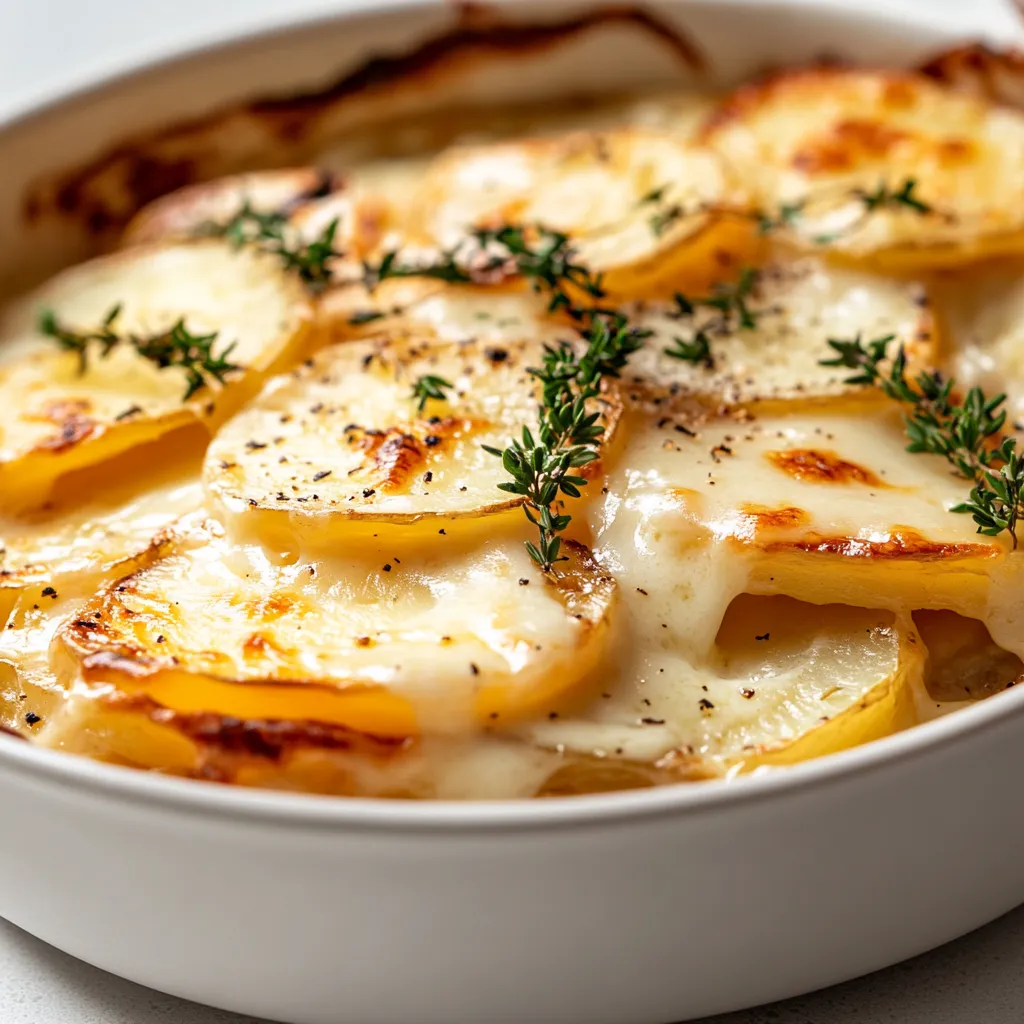
Creamy Cheesy Scalloped Potatoes are a classic American side dish known for their rich flavors and comforting textures. This dish combines thinly sliced russet potatoes layered with a luscious mix of heavy cream, sharp cheddar, and Parmesan cheeses, making it a favorite for family gatherings, holiday dinners, or any occasion that calls for a delicious side. It’s a dish that repeatedly evokes nostalgia and warmth, perfect for ushering in memories of family meals shared around the dinner table.
Historically, scalloped potatoes have been a staple in American kitchens, dating back to the 19th century. The term “scalloped” refers to a technique of preparing vegetables or other ingredients with a creamy sauce, often topped with cheese or breadcrumbs, then baked until golden brown and bubbly. The simplicity of the ingredients allows for creativity and adaptation, yet this traditional recipe remains timeless in its execution.
The marriage of creamy and cheesy flavors in Scalloped Potatoes offers an irresistible taste experience. The heavy cream contributes a rich mouthfeel, while the blend of sharp cheddar and Parmesan provides a savory depth that enhances the overall flavor profile. Paired with the earthiness of the potatoes and the aromatic garlic and spices, this dish epitomizes comfort food at its finest.
Recipe Overview
– Total Time: 1 hour 35 minutes
– Prep Time: 20 minutes
– Cook Time: 1 hour 15 minutes
– Servings: 6
– Difficulty: Not specified in the recipe
This dish is a beloved side that pairs beautifully with various main courses. What makes this recipe particularly appealing is its straightforward approach, utilizing just a handful of ingredients. It is an excellent choice for both casual weeknight dinners and festive occasions, providing a satisfying complement to meats, poultry, or even a hearty salad. With approximately 450 calories per serving, it offers a rich culinary treat without being overindulgent.
Ingredients
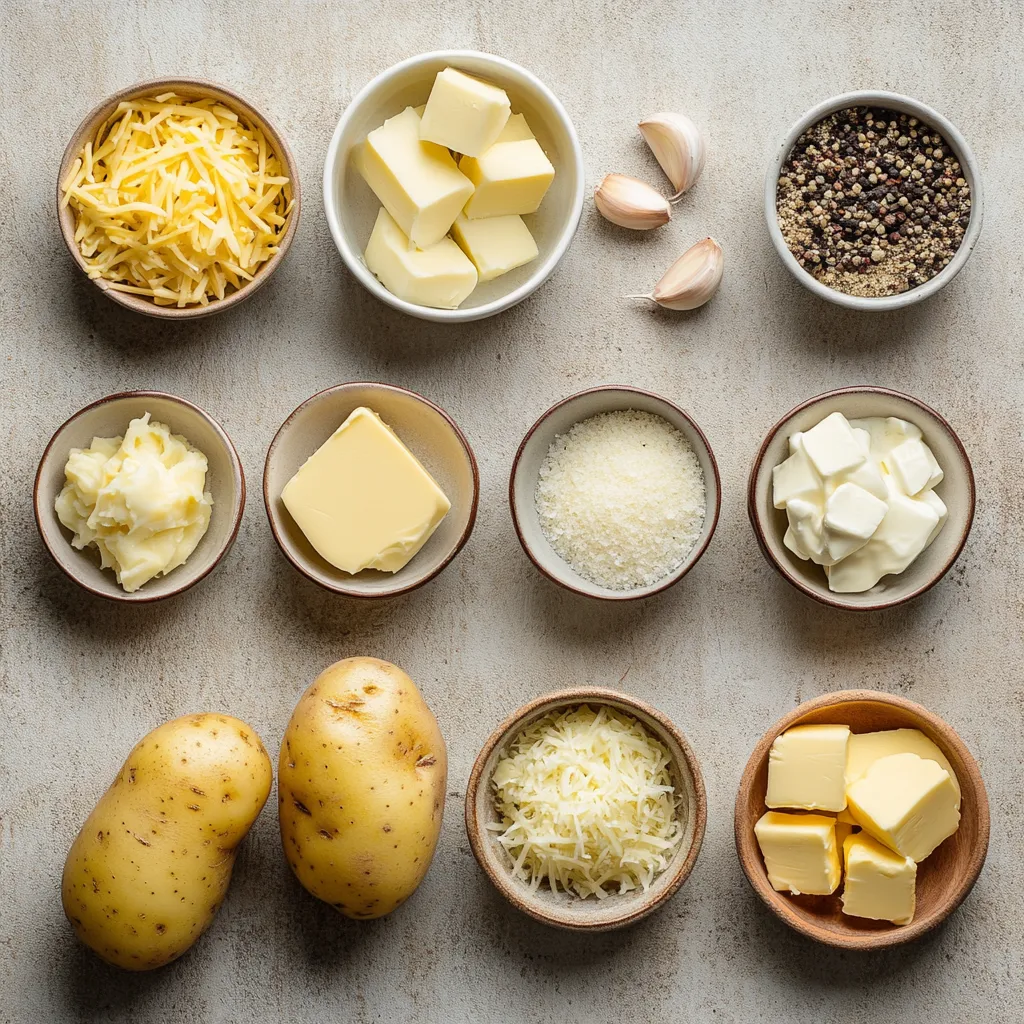
– 4 large russet potatoes, thinly sliced
– 2 cups heavy cream
– 1 cup shredded sharp cheddar cheese
– 1 cup grated Parmesan cheese
– 3 cloves of garlic, finely minced
– 1 teaspoon salt
– 1/2 teaspoon freshly ground black pepper
– 1/4 teaspoon ground nutmeg
– 2 tablespoons unsalted butter, for greasing
The key ingredient in this recipe is the russet potatoes. When selecting potatoes, it’s essential to choose those that are firm and free from blemishes, as these attributes ensure the best texture when cooked. Russets are ideal for this dish because they have a high starch content, which results in a fluffy interior — perfect for soaking up the creamy sauce.
Heavy cream plays a vital role in achieving the silky consistency that defines scalloped potatoes. It binds the ingredients while providing a rich taste that complements the cheeses. If a lighter alternative is desired, whole milk can be used, but it may sacrifice some creaminess.
Cheeses are the stars of the show in this dish. The sharp cheddar provides a bold, tangy flavor, while the Parmesan adds a nutty taste and a delightful texture. Together, these cheeses meld beautifully under the heat, creating a golden, bubbling crust.
The garlic, salt, freshly ground black pepper, and ground nutmeg enhance the dish’s overall flavor profile. These seasonings work together to create a balanced taste, ensuring that the creaminess and cheesy characteristics shine through without being overwhelming. Finally, the unsalted butter is used to grease the baking dish, providing a non-stick surface while adding a touch of richness.
Instructions
1. Begin by preheating your oven to 375°F (190°C). Generously grease a 9×13-inch baking dish with the unsalted butter to prevent sticking.
2. In a mixing bowl, whisk together the heavy cream, minced garlic, salt, black pepper, and ground nutmeg until well combined.
3. Arrange half of the thinly sliced potatoes in an even layer across the bottom of the prepared baking dish.
4. Drizzle half of the creamy mixture over the potato layer, ensuring it is evenly distributed. Then, sprinkle half of the shredded cheddar and grated Parmesan cheese over the top.
5. Repeat the layering process with the remaining potato slices, followed by the rest of the cream mixture, and finish with the remaining cheeses.
6. Cover the baking dish tightly with aluminum foil and place it in the preheated oven. Bake for 45 minutes to allow the potatoes to soften.
7. After 45 minutes, carefully remove the foil and continue baking for an additional 30 minutes, or until the top is golden brown and the potatoes are fork-tender.
8. Allow the dish to cool for about 10 minutes before serving to let the flavors meld and the dish set.
Following these instructions will ensure perfectly melted cheese and tender potatoes. The layering is crucial as it allows for even distribution of creaminess and flavor throughout the dish. It’s important to let the scalloped potatoes rest after baking; doing so helps the flavors develop more profoundly and makes serving easier.
Kitchen Tools Required
To create the perfect Creamy Cheesy Scalloped Potatoes, having the right kitchen tools is essential. You will need a 9×13-inch baking dish to accommodate the layers of potatoes and creamy sauce. This size ensures even cooking and allows the potatoes to bake appropriately without overcrowding.
Mixing bowls are necessary for combining the heavy cream and seasonings, while a whisk is vital for achieving a smooth texture in the sauce. Additionally, a sharp knife or mandoline slicer will aid in slicing the potatoes thinly to ensure they cook evenly.
Optional tools such as ramekins allow for individual servings of scalloped potatoes, creating an elegant presentation, especially for gatherings or special occasions. For garnishing, fresh parsley or chives can enhance the appearance and add a burst of color.
Preparation tools aside, the proper technique in layering and baking is equally crucial in achieving the creamy interior and crispy exterior that characterizes good scalloped potatoes.
How to equally distribute the cheese layers for even melting
When layering the cheese in your scalloped potatoes, it is essential to distribute it evenly to ensure uniform melting and flavor throughout the dish. An effective technique is to sprinkle a thin layer of cheese over each potato layer rather than dumping a mound in one spot. Start by using a scoop to place a small portion of cheese in multiple locations across the potato layer, then gently spread it out with your fingers or a spoon. This avoids clumping and encourages Each slice to be enveloped in that cheesy goodness. A mix of shredded and grated cheese can also facilitate better melting and adherence to the potatoes.
Visual cues for proper layering
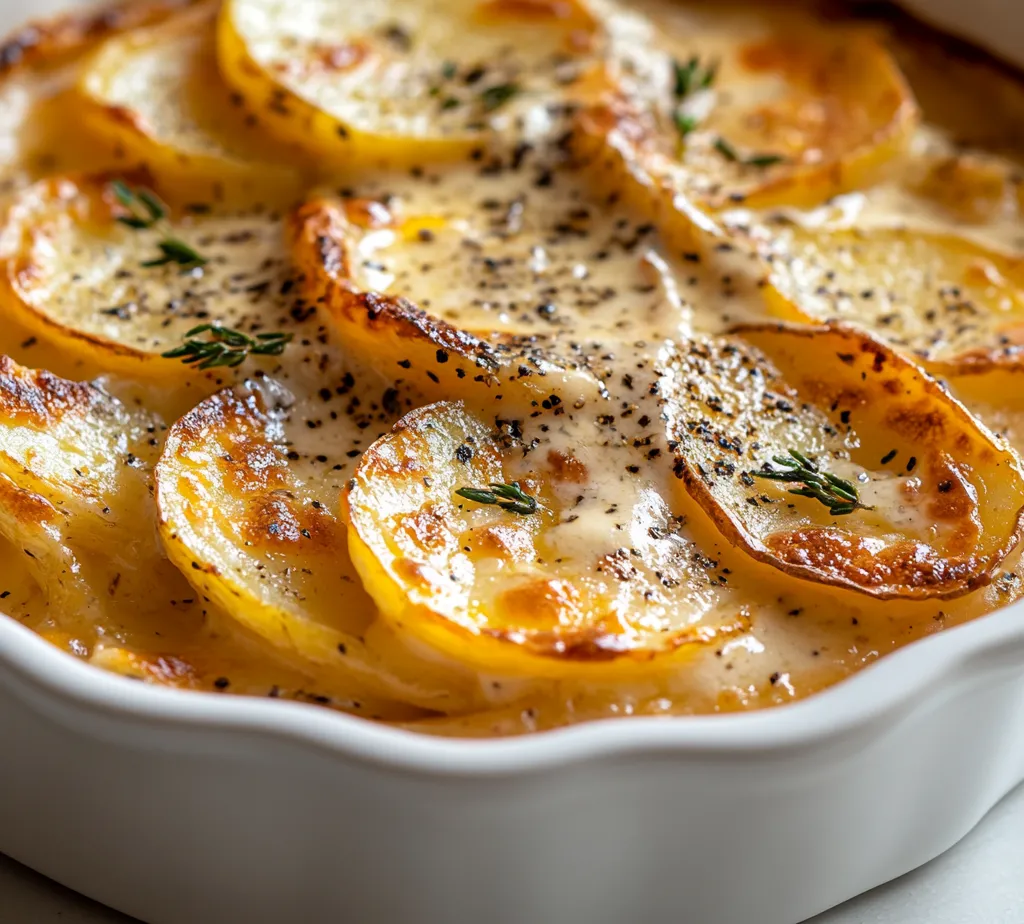
For the best results, pay attention to the visual aspects of your layering technique. Each layer of potatoes should be slightly overlapping, much like shingles on a roof, to allow the cream and cheese to seep in and coat them properly. Aim for an even distribution of cream to avoid dry spots. As you layer, you should see each layer of potato have a nice coating of cream and cheese, creating a well-connected network that will help with texture and flavors melding during baking.
Baking Process
Explanation of the baking method
The baking process for scalloped potatoes primarily employs dry heat and moisture retention. Initially, the potatoes and the heavy cream mixture are baked together, which steams the potatoes and allows them to become tender. This combination of methods promotes even cooking and optimal flavor fusion. The covered baking dish helps trap moisture, ensuring that the potatoes soften while the cream thickens and flavors develop.
Initial baking with foil: benefits for steaming potatoes
Covering the baking dish with aluminum foil during the first stage of baking keeps moisture in. This steam is critical for cooking the potatoes evenly, resulting in a tender texture. Without this stage, you risk the edges of the potatoes drying out or burning before the centers have cooked through, creating an unevenly textured dish.
Removing foil: allowing for browning and crisping
Once the initial baking time has elapsed, removing the foil serves the dual purpose of enhancing flavor and texture. This allows the top layer to brown and develop a crunchy, golden crust, which provides a delightful contrast to the creamy, soft interior. Visually, a browned top gives an appealing finish, indicating that the dish is cooked through and full of flavor.
Ideal baking times and signs to watch for doneness
The recommended baking time is divided into two stages: the first 45 minutes covered with foil, followed by another 30 minutes uncovered. A useful tip to watch for doneness is to look for the bubbling of cream around the edges and a rich golden color on top. The potatoes should be fork-tender, meaning that a fork can easily pierce them without resistance.
Checking for fork-tenderness and color changes
To check for fork-tenderness, insert the fork into the center of the dish. If it glides in smoothly without much effort, the potatoes are likely done. The surface color should shift from a pale white/yellowish to a golden-brown hue, signaling that they’ve been sufficiently cooked and caramelized.
Cooling and Serving
Importance of letting the dish cool before serving
Allowing scalloped potatoes to cool for about 10 minutes before serving is crucial. Cooling provides the dish with the necessary time for the flavors to meld together, and the creamy mixture will thicken slightly, making it easier to serve. Serving too soon might lead to a soupy consistency that lacks the traditional structure of layer separation, while a slight cooling period enhances the overall eating experience.
Effects of cooling on flavor and texture
Cooling enhances the flavor profile by allowing the garlic and nutmeg to permeate the potatoes further, amplifying the dish’s overall taste. Additionally, it influences texture; the cream becomes more viscous and bound to the potatoes, providing a more satisfying bite as each layer stays intact.
Serving suggestions
Serving scalloped potatoes can be as simple or elaborate as you desire. For an elegant touch, consider using individual ramekins for single servings, especially for gatherings. This allows you to portion out the dish conveniently while maintaining its visual appeal. If served in a large dish, scoop out portions into plates, ensuring that each serving includes layers of potato and a generous amount of cream and cheese.
Serving sizes and portion control for family or gatherings
The recipe yields approximately six servings, making it ideal for family meals or small gatherings. Depending on appetite sizes, consider adjusting your portion sizes accordingly. A generous scoop of scalloped potatoes alongside roasted chicken or grilled vegetables creates a balanced plate, allowing your guests to enjoy this delightful dish as a hearty side.
Concepts for garnishing with fresh herbs for presentation
Garnishing scalloped potatoes adds visual appeal and can enhance the freshness of the dish. A sprinkle of freshly chopped parsley, chives, or even thyme scattered over the top just before serving can brighten the rich flavors. Placing a sprig of these herbs as a garnish on individual servings also elevates the presentation and adds an aromatic element that complements the creamy texture.
Flavor and Texture Profile
Analysis of the dish’s creamy texture and cheesy richness
The combination of heavy cream, cheddar, and Parmesan results in a luscious creaminess that envelops each potato slice beautifully. The melted cheese creates a cohesive element that binds the layers together, allowing every bite to showcase the rich, indulgent flavor of cheese paired with the softness of the potatoes.
Contrast of the crispy top layer with soft potatoes
The contrast between the crispy top that forms during the final baking stage and the tender, creamy potatoes underneath is one of the hallmark features of scalloped potatoes. This crunchy layer offers a delightful texture that balances the dish’s inherent creaminess, providing an enjoyable experience for the palate and a visually appetizing appearance.
The role of nutmeg and garlic in enhancing flavors
Nutmeg adds a subtle warmth and depth, rounding out the flavors without overpowering the dish. Simultaneously, the minced garlic introduces a savory note that brings umami characteristics to the forefront. Together, these ingredients elevate a simple scalloped potato into a richly flavored side dish.
Overall mouthfeel and taste experience
The overall mouthfeel of scalloped potatoes is comforting and satisfying, characterized by soft and creamy textures paired with a satisfying crunch from the top. The flavor profile is a delicious harmony of cheesy richness, aromatic garlic, and a hint of nutmeg that leaves a warm aftertaste.
Variations and Substitutions
Exploring alternative cheeses for different flavor profiles
While the original recipe calls for sharp cheddar and Parmesan, experimenting with other cheeses can bring exciting variations. For instance, grated Gruyère or creamy mozzarella can add distinct flavors and melting characteristics. Alternatively, a combination of cheeses is an effective way to showcase various profiles in one dish while ensuring a satisfying, gooey texture.
Suggestions for adding mozzarella, Gruyère, or gouda
Using mozzarella can provide an even creamier texture, while Gruyère adds a nutty taste. Gouda brings a rich, sweet flavor that can further enhance the overall dish. Feel free to mix and match these cheeses with cheddar to create a more complex flavor profile.
Ideas for adding vegetables or protein to the recipe
Enhance nutritional value or create variations by adding sautéed vegetables or protein. Caramelized onions can provide a sweet depth, while adding spinach introduces freshness and color. For a heartier dish, consider incorporating cooked bacon or ham, providing a smoky, savory element that complements the creaminess and balances the overall flavor.
Common pitfalls and how to avoid them
Ensuring potatoes don’t become watery
To prevent a watery dish, it is crucial to control moisture levels during baking. Ensure to slice potatoes thinly for proper cooking and moisture absorption, and maintain the cream-to-potato ratio as directed in the recipe. Avoid overly watery potatoes to maintain texture and flavor.
Tips for preventing curdling of cream when baking
To avoid curdling, monitor the baking temperature and time closely—baking at the specified temperature should prevent excessive heat. Additionally, slowly whisking in the seasonings directly into the cream can help avoid direct heat contact with the cream, preventing separation during cooking.
Storage and reheating tips for leftovers
If you have leftover scalloped potatoes, they can be stored in an airtight container in the refrigerator for 3 to 4 days. To reheat, place the dish in an oven preheated to 350°F (175°C) for about 20-25 minutes, covered with foil to retain moisture. This method ensures that the potatoes warm evenly, maintaining their flavor and texture.
Conclusion
Creamy Cheesy Scalloped Potatoes are a delightful combination of rich flavors and comforting textures that makes them a perfect side dish for any meal. With their beautifully golden top and tender layers, they embody the essence of home-cooked comfort food. The preparation process, while straightforward, results in a dish that is both visually appealing and satisfying to the palate.
Creamy Cheesy Scalloped Potatoes Recipe
Ingredients
- 4 large russet potatoes thinly sliced
- 2 cups heavy cream
- 1 cup shredded sharp cheddar cheese
- 1 cup grated Parmesan cheese
- 3 cloves garlic finely minced
- 1 teaspoon salt
- ½ teaspoon freshly ground black pepper
- ¼ teaspoon ground nutmeg
- 2 tablespoons unsalted butter for greasing
Instructions
- Preheat your oven to 375°F (190°C) and grease a 9x13-inch baking dish with butter.
- Whisk together heavy cream, minced garlic, salt, black pepper, and nutmeg in a bowl.
- Layer half of the sliced potatoes in the baking dish.
- Drizzle half of the cream mixture over the potatoes and sprinkle half of the cheeses on top.
- Repeat with the remaining potatoes, cream mixture, and cheeses.
- Cover with aluminum foil and bake for 45 minutes.
- Remove the foil and bake for an additional 30 minutes until golden brown and tender.
- Let cool for 10 minutes before serving.