

Introduction
Scones hold a special place in American cuisine, celebrated for their flaky texture and rich flavors. These delightful pastries can be enjoyed in a multitude of ways, whether as part of a leisurely breakfast or an afternoon tea gathering with friends. The beauty of scones lies in their versatility; they can be made sweet or savory, allowing for endless variations that cater to different tastes and occasions.
With the increasing popularity of sourdough bread baking, the practice of using sourdough discard has emerged as an ingenious way to minimize waste while enhancing your baked goods. Sourdough discard refers to the portion of sourdough starter that is typically removed before feeding the remaining starter. Rather than tossing it out, incorporating it into your baking can not only reduce waste but also add unique flavors to your pastries. In this recipe, we explore how to utilize sourdough discard to create delicious scones that are tender and flavorful, making for a perfect snack or breakfast item.
Making scones with leftover sourdough discard is both convenient and sustainable, striking a balance between enjoying a delectable treat and practicing eco-friendly habits. The scones are not only straightforward to prepare but also yield delightful results that will impress your family and friends. Whether served plain or adorned with a sprinkle of powdered sugar, these scones are sure to become a staple in your baking repertoire.
Recipe Overview
– Prep Time: 15 minutes
– Cook Time: 20 minutes
– Total Time: 35 minutes
– Course: Breakfast / Snack
– Cuisine: American
– Servings: 8 scones
– Calories: Approximately 220 per scone
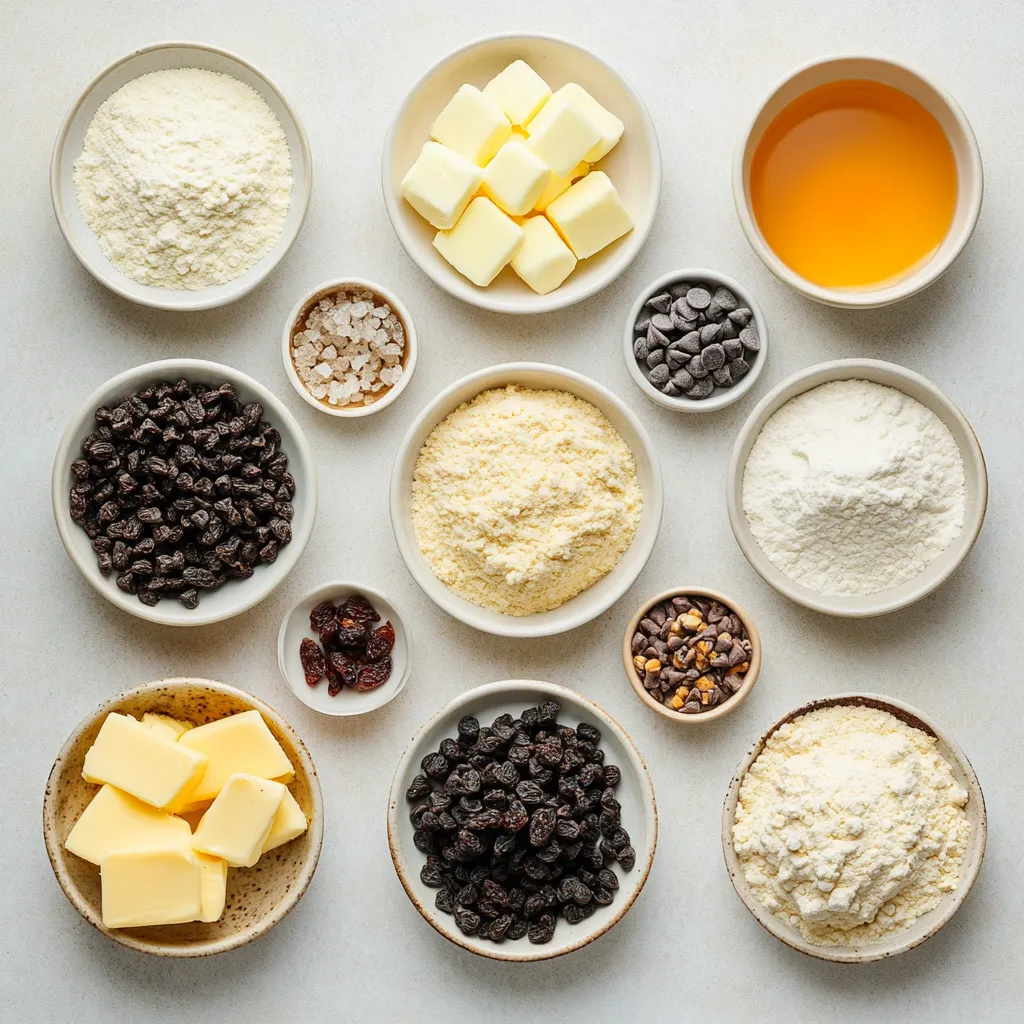
Ingredients
– 1 cup sourdough discard
– 2 cups all-purpose flour
– 1/4 cup granulated sugar
– 1/2 cup cold butter, cut into cubes
– 1/2 cup milk
– 1 tablespoon baking powder
– 1/2 teaspoon salt
– 1/2 cup dried fruit (such as cranberries or raisins) or chocolate chips (optional)
Instructions
1. Begin by preheating your oven to 400°F (200°C). Prepare a baking sheet by lining it with parchment paper to prevent sticking.
2. In a large mixing bowl, whisk together the all-purpose flour, granulated sugar, baking powder, and salt until evenly combined.
3. Incorporate the cold butter into the flour mixture. Using a pastry cutter or your fingertips, work the butter into the dry ingredients until the mixture resembles coarse crumbs with pea-sized pieces of butter remaining.
4. Gently fold in the sourdough discard and milk, mixing just until the ingredients are combined. If you choose to add dried fruit or chocolate chips, fold them in at this stage.
5. Lightly flour a clean surface and turn the dough out onto it. Knead the dough gently for about 1 minute, just until it holds together without being overly worked.
6. Shape the dough into a circle about 1 inch thick. Cut the circle into wedges or use a biscuit cutter to form round scones, depending on your preference.
7. Arrange the scones on the prepared baking sheet, spacing them slightly apart. Bake in the preheated oven for 15-20 minutes, or until they are golden brown and a toothpick inserted into the center comes out clean.
8. Once baked, remove the scones from the oven and allow them to cool for a few minutes on a wire rack before serving.
Sourdough discard scones not only provide a delicious treat but also reflect a growing trend among home bakers to embrace sustainability in their kitchens. With simple ingredients that can be easily sourced, baking these scones is accessible to everyone. Each bite offers a satisfying crunch on the outside and a soft, tender interior bursting with flavor from the optional add-ins like dried fruit or chocolate chips.
Dough Handling Techniques
Kneading the dough is a critical step in the scone-making process, but it’s essential to handle it gently. Overworking the dough can lead to dense and tough scones, so aim for just enough kneading to bring the mixture together. Ideal dough consistency will be slightly sticky but will hold its shape well when formed.
The shaping of the scones can also vary based on individual preferences. If you prefer traditional triangular scones, simply cut the dough into wedges after shaping it into a circle. On the other hand, using a biscuit cutter creates perfectly round scones, offering a polished appearance ideal for special occasions. Regardless of the shape, ensure there’s enough spacing between the scones on the baking sheet to allow them to rise correctly, creating that desired flakiness.
Recommended Tools for Effective Preparation
Using the right tools can significantly enhance your scone-making experience. A large mixing bowl is essential for combining dry ingredients effectively before incorporating the butter. A pastry cutter or your fingertips are best for integrating the butter into the flour mixture—a technique crucial for achieving the desired crumbly texture. Suitably lined baking sheets will help prevent sticking and ensure that your scones cook evenly. Additionally, a reliable oven thermometer can help maintain the proper baking temperature, guaranteeing perfectly baked scones.
As you embark on making these delightful sourdough discard scones, consider every step with care and attention to detail. Enjoy the process, and savor the delicious results that will surely elevate your morning routine or afternoon tea gatherings.
Baking the Scones
Baking temperature and time: Optimizing results
Achieving the perfect scone hinges on proper baking temperature and time. The scones should bake at 400°F (200°C) for 15-20 minutes. This high heat ensures rapid cooking, allowing the scones to rise beautifully and develop a golden crust. To prevent uneven baking, it’s crucial to keep an eye on them as the cooking time approaches its end. Each oven varies slightly; thus, baking times may fluctuate. Rotate the baking sheet halfway through baking to ensure consistent heat distribution.
Signs of doneness for perfect scones
To determine whether the scones are fully baked, look for a rich golden-brown color on their tops. An inserted toothpick should come out clean or with just a few crumbs attached. If the toothpick reveals wet batter, extend the baking time by a couple of minutes. Additionally, gently press the top of a scone; it should feel firm and springy rather than soft or doughy, indicating they are ready to be enjoyed.
Cooling process: Importance of cooling time on texture and flavor
Once removed from the oven, the scones require careful handling. Transfer them to a wire rack to cool. Cooling allows steam to escape, preventing the scones from becoming too moist. While it’s tempting to eat them warm, letting them cool for approximately 5-10 minutes enhances their flavor and texture. This resting period allows time for the flavors to meld while the outside retains its crispness.
Flavor Variations
Exploring flavor options with dried fruits
Dried fruits are a wonderful way to customize your scones. Incorporating them can add a natural sweetness and chewiness that enhances the overall experience. Consider experimenting with other fillings like chopped dates, dried apricots, or figs. Each offers distinct dimensions to the scone, allowing you to tailor it to your taste preferences.
Benefits of using cranberries or raisins
Cranberries and raisins are classic additions for a reason. They not only bring sweetness but also a slight tartness that balances the sugary components of the scone. Rich in antioxidants, cranberries and raisins contribute nutritional benefits, making your breakfast treat not just delicious but also somewhat wholesome.
Incorporating chocolate chips: A sweet twist on the traditional scone
For those with a sweet tooth, chocolate chips are an irresistible addition. Dark or semi-sweet chocolate chips melt into the dough, offering rich, gooey pockets of flavor. Pairing chocolate with dried fruit creates a delightful contrast, merging sweetness with tartness for a truly indulgent treat.
Suggestions for additional flavorings
If you’re feeling adventurous, consider adding citrus zest like lemon or orange for a refreshing twist. Alternatively, spices such as cinnamon or nutmeg can enhance the warmth of your scone, providing aromatic undertones and a cozy feel.
Presentation Tips
Attractive serving suggestions
Presentation can elevate the appeal of your sourdough discard scones. Start by arranging them on a beautiful platter or serving board. For an extra touch of charm, garnish with fresh herbs like mint or edible flowers, which can add a lively pop of color.
Serving warm with clotted cream or honey for added flavor
One of the loveliest ways to serve these scones is with clotted cream, which pairs perfectly with the rich texture of the scones, making for a luxurious experience. Honey can also be drizzled over warm scones, adding remarkable sweetness that complements the delicious flavors.
Using powdered sugar for visual enhancement
A light dusting of powdered sugar can transform your scones into an elegant treat. This not only enhances visual appeal but adds a hint of sweetness that is particularly delightful when combined with the savory aspects of the baked goods.
Plating ideas: Enhancing the presentation for special occasions
For special occasions, consider plating the scones with fresh berries or a small side of jam. This can create an inviting breakfast spread. Additionally, using unique serving dishes or colorful napkins adds a personal touch that enhances not just the dish but also the gathering’s overall atmosphere.
Nutritional Information
Breakdown of calories and portion sizes
Each serving of these scones contains approximately 220 calories, making them a satisfying yet moderate indulgence. With 8 scones in a batch, it’s easy to serve a group while remaining mindful of portion control, particularly for those watching their caloric intake.
Discussion of the balance between indulgence and nutrition
Though considered a treat, using sourdough discard boosts the nutritional profile. Sourdough fermentation adds beneficial probiotics, making these scones slightly healthier than traditional versions. Striking a balance between indulgence and health is crucial, allowing you to enjoy a delightful baked good while benefiting from the components involved.
Health benefits of utilizing sourdough discard
Incorporating sourdough discard promotes sustainability by reducing food waste. Moreover, the fermentation process in sourdough often leads to easier digestion of gluten and may have a lower glycemic index than regular bread, making these scones a more favorable option for some.
Serving Suggestions
Ideal beverages to pair with scones
Scones make for an excellent accompaniment to various beverages. A piping hot cup of coffee enhances the experience, providing an energizing contrast to the scone’s sweetness. Tea, particularly herbal varieties, complements the flavors well, offering a refreshing alternative. Fresh fruit juices can also brighten your morning, providing a fresh twist.
Suggestions for serving at different times of the day
Scones are versatile and can be enjoyed throughout the day. They are perfectly suitable for breakfast when paired with tea or juice, but they’re equally delightful during brunch alongside a variety of spreads. Consider them as a snack option in the afternoon, where they can provide a satisfying treat between meals or with tea gatherings.
Common Mistakes to Avoid
Overmixing the dough and its effects on texture
A common error is overmixing the dough, which can result in tough, dense scones due to the gluten development in the flour. Always mix just until combined to preserve the tender crumb that scones are known for.
Misjudging baking time and temperature
Baking times can vary, and misjudging how long to bake can lead to subpar results. Always observe the scone’s color and do the toothpick test as mentioned earlier.
Not measuring ingredients accurately
Baking relies heavily on precise measurements. Avoid eyeballing ingredients as discrepancies can lead to disaster. Using kitchen scales and measuring cups correctly will ensure accuracy, yielding the best results.
Storage and Reheating Tips
Best practices for storing leftover scones
To keep leftover scones fresh, store them in an airtight container at room temperature for up to three days. If you prefer to save them for longer, consider freezing them. Wrap each scone individually in plastic wrap and place them in a freezer-safe bag; they can last up to three months.
How to maintain freshness and prevent drying out
To maintain freshness, avoid exposing scones to air for long periods. Including a slice of bread in the container can also help retain moisture while storage, as the bread will absorb any excess moisture from the scones.
Reheating methods for restoring texture and warmth
When you’re ready to enjoy leftover scones, preheat your oven to 350°F (175°C) and bake for about 5-10 minutes to restore their delightful texture and warmth. Alternatively, a microwave may be used, but be cautious to avoid overdoing it, which can lead to hard scones.
Conclusion
Sourdough discard scones present a delightful way to use leftover ingredients, offering a tender texture and rich flavor profile. With a preparation time of just 15 minutes and a baking time of 20 minutes, these scones are perfect for any breakfast or snack occasion, delivering approximately 220 calories per scone. Enjoying them warm provides the best experience.

Sourdough Discard Scones Recipe for Delicious Breakfast Treats
Ingredients
- 1 cup sourdough discard
- 2 cups all-purpose flour
- ¼ cup granulated sugar
- ½ cup cold butter cut into cubes
- ½ cup milk
- 1 tablespoon baking powder
- ½ teaspoon salt
- ½ cup dried fruit or chocolate chips optional
Instructions
- Preheat your oven to 400°F (200°C) and line a baking sheet with parchment paper.
- In a large bowl, whisk together flour, sugar, baking powder, and salt.
- Cut in the cold butter until the mixture resembles coarse crumbs.
- Fold in the sourdough discard and milk until just combined.
- Knead the dough gently on a floured surface for about 1 minute.
- Shape the dough into a circle about 1 inch thick and cut into wedges or rounds.
- Arrange the scones on the baking sheet, spacing them apart.
- Bake for 15-20 minutes until golden brown and a toothpick comes out clean.
- Cool on a wire rack for a few minutes before serving.