
Introduction
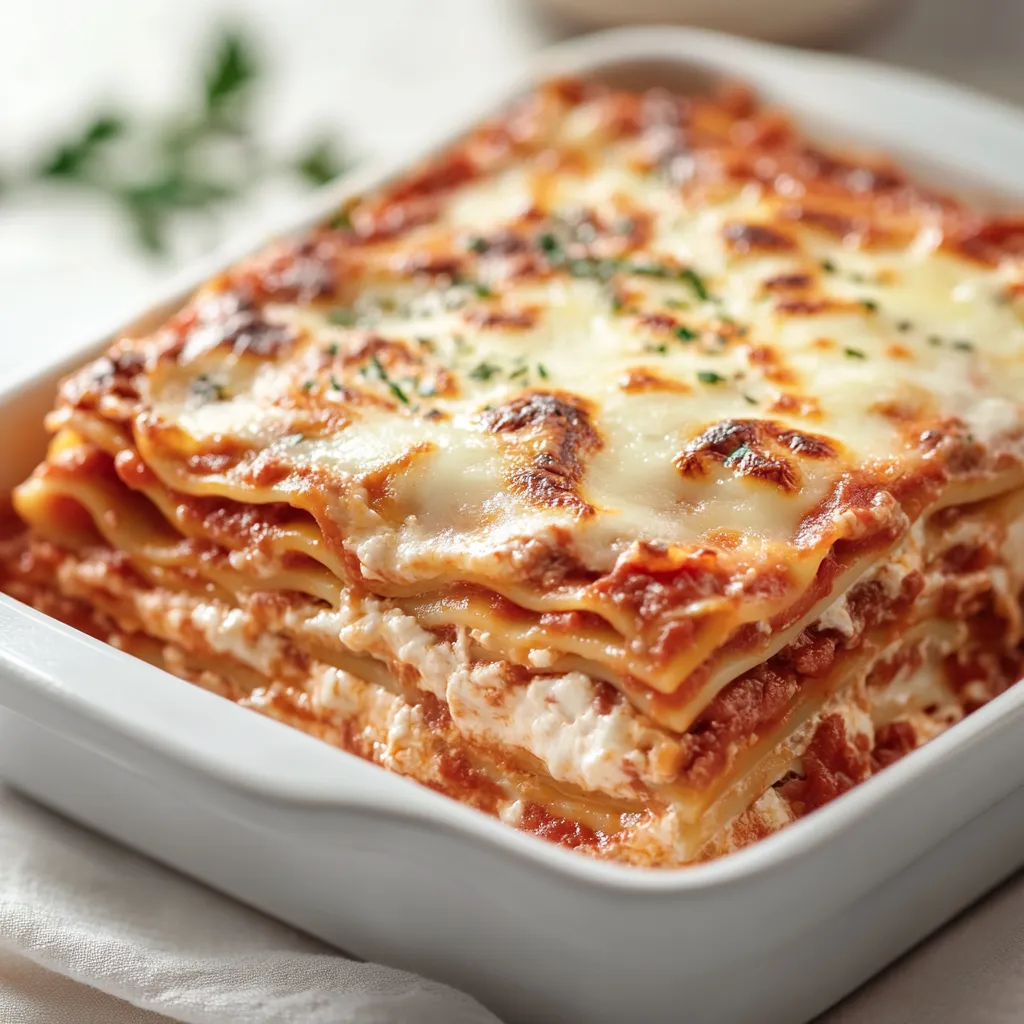
Exploring the rich flavors of traditional Italian cuisine, this hearty homemade lasagna delight embodies comfort and satisfaction. With its layers of tender noodles, savory meats, and creamy cheeses, it is sure to please a crowd. The multi-dimensional taste of this dish comes from the harmonious blending of the ground beef or Italian sausage with the vibrant marinara sauce, while the creamy ricotta and mozzarella add richness that is simply irresistible.
Lasagna is not just a meal; it’s a celebration of warmth and hospitality, perfect for family gatherings, holiday dinners, or any comforting evening at home. The beauty of making lasagna from scratch is that you can customize it to suit your taste or dietary preferences. Whether it’s a cozy weeknight dinner or a dish for entertaining, this hearty homemade lasagna delight stands as a testament to the kind of food that brings people together around the table.
Recipe Overview
This lasagna recipe stands out for its combination of ground beef or Italian sausage with a rich marinara sauce and blended cheeses. Suitable for feeding a family or hosting a gathering, this dish provides a fulfilling main course option.
– Prep Time: 20 minutes
– Cook Time: 40 minutes
– Total Time: 1 hour
– Course: Main Course
– Cuisine: Italian
– Servings: 8
– Calories: Approximately 400 per serving
Ingredients
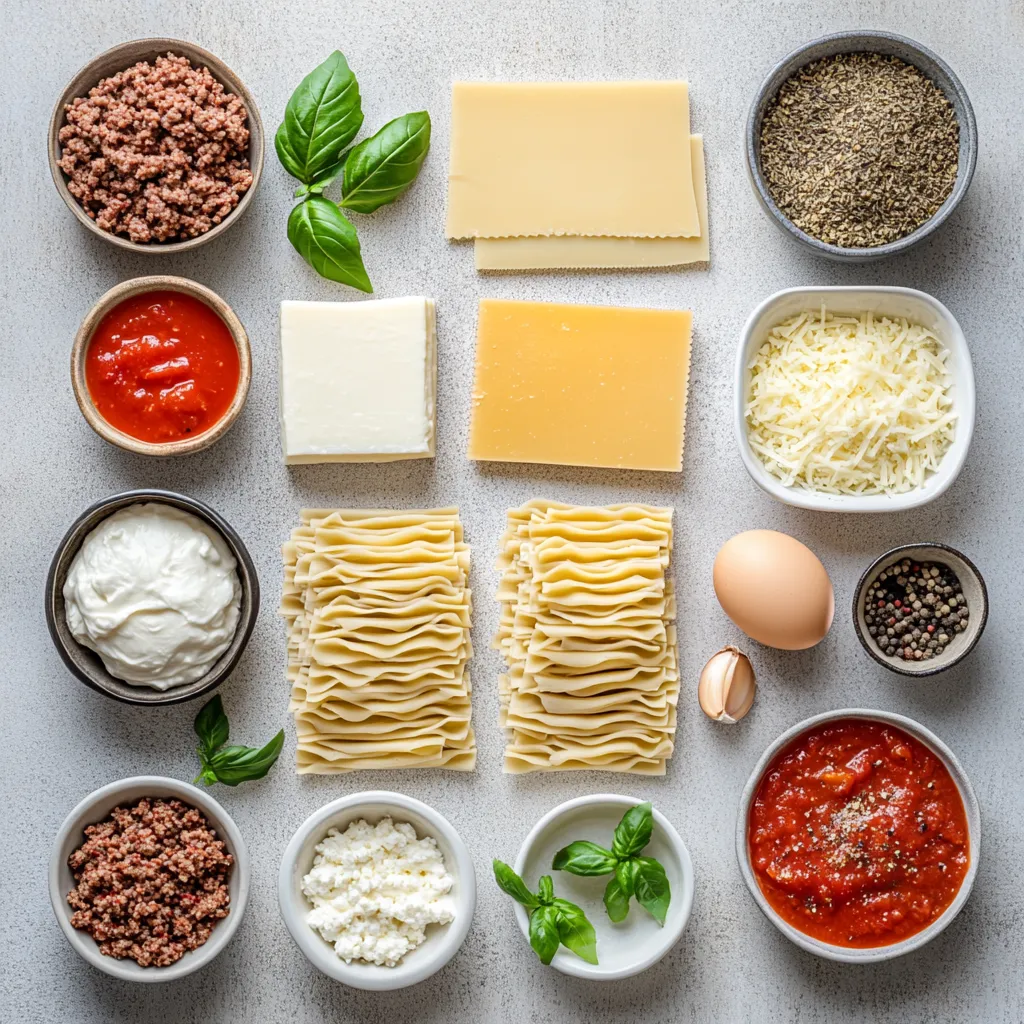
To prepare the hearty homemade lasagna delight, gather the following ingredients:
– 12 lasagna noodles
– 1 pound ground beef or Italian sausage
– 2 cups ricotta cheese
– 3 cups marinara sauce (store-bought or homemade)
– 2 cups shredded mozzarella cheese
– 1 cup grated Parmesan cheese
– 1 large egg
– 2 teaspoons dried oregano
– 1 teaspoon garlic powder
– Salt and freshly ground pepper to taste
– Fresh basil leaves for garnish (optional)
Preparation of Lasagna Noodles
Understanding the correct preparation of lasagna noodles is crucial for achieving the desired texture in your dish. The noodles serve as the backbone of the lasagna, contributing to both its structure and flavor.
Cooking Method
For perfect lasagna noodles, follow the package instructions for cooking time and method. Ensuring the noodles are cooked to al dente is essential, as they will continue to soften during baking. Overcooking at this stage will lead to a mushy texture in the final baked dish.
Draining
Once cooked, properly drain the noodles to remove excess water, which can dilute the flavors and affect the consistency of the casserole. It’s important to let them cool slightly to prevent sticking together. You might consider tossing them lightly with a bit of olive oil if you are not layering them immediately.
Tips for Usage
To maintain the warm state of the noodles before assembly, use them immediately after cooking. If you cannot layer them right away, keep them in a covered dish or slightly oil them to minimize sticking.
Browning the Meat
The meat layer is essential in enhancing the overall flavor of the lasagna. Whether you choose ground beef or Italian sausage, this step is vital for creating a rich taste and texture.
Choosing Between Beef and Sausage
When choosing between ground beef and Italian sausage, consider the flavor profiles of each option. Ground beef provides a more neutral flavor that can adapt to the seasonings, while Italian sausage offers a zestier experience, packed with spices that can elevate the dish. Depending on your preference, you can opt for one or combine both for a delightful medley.
Browning Technique
Using a large skillet over medium heat, start browning your chosen meat. As it cooks, break it apart with a spatula to ensure even cooking. It’s important not to rush this process; the goal is to achieve a nice, brown color on the meat, which will enhance the flavor of your lasagna.
Draining Excess Fat
Once your meat is cooked through, it’s crucial to drain any excess fat from the skillet. This step is important because too much fat can make the lasagna greasy, overshadowing the delicate balance of flavors you aim to achieve. Ensuring that the meat is neither dry nor overly fatty will greatly influence the final dish.
Making the Marinara Sauce
Whether using store-bought or homemade, the marinara sauce is a key component that ties all the flavors of the lasagna together beautifully.
Sauce Selection
Choosing between a store-bought marinara sauce for convenience or a homemade marinara for depth and complexity is a decision that might depend on your time constraints and culinary preferences. Homemade sauces can offer a richness and personal touch, while quality store-bought options can save time without sacrificing too much flavor.
Simmering the Sauce
Once the meat is browned and drained, it’s time to combine it with the marinara sauce and spices. Adding dried oregano and garlic powder brings aroma and additional flavor to the meat sauce. Allow this mixture to simmer for about 5 minutes; this brief cooking time allows the herbs to release their essential oils and meld the flavors harmoniously.
Flavor Enhancements
Seasoning your sauce with salt and freshly ground pepper is crucial for an optimal flavor profile. Taste your sauce as it simmers and adjust the seasoning to suit your liking. This is your opportunity to ensure the sauce complements the richness of the cheese and the noodles perfectly.
By mastering the preparation of lasagna noodles, browning the meat correctly, and crafting a flavorful marinara sauce, you will create an incredibly satisfying and traditional Italian dish that invites gathering and sharing among friends and family. Stay tuned for the next part, where we will dive into assembling the lasagna and the final touches for baking this delicious meal.
Suggestions for Additional Seasoning
While the classic flavors of ground beef, marinara sauce, and cheese make for a delicious lasagna, there’s plenty of room to personalize the taste by enhancing the sauce with additional seasonings.
Customizing the Sauce
Consider incorporating different herbs and spices into the marinara sauce to elevate its flavor profile. For instance, adding crushed red pepper flakes will bring a pleasant heat if you’re a fan of spice. Alternatively, a teaspoon of sugar can soften the acidity of the tomatoes for a more balanced taste.
Fresh herbs like thyme or rosemary can also introduce aromatic complexity. You might want to try sautéing garlic alongside the ground beef for a more robust flavor. Experimenting with different cheese, such as ricotta mixed with goat cheese or a splash of cream, can also add richness and a unique twist.
Preparing the Ricotta Mixture
The ricotta cheese mixture is crucial for adding creaminess and richness to the lasagna layers, and getting this part right sets the foundation for a successful dish.
Mixing the Ingredients
To create the perfect ricotta filling, start with a medium-sized bowl. Measure out 2 cups of ricotta cheese and add one large egg. It’s essential to mix thoroughly; using a fork or a whisk can help with this. Incorporate half of your grated Parmesan cheese at this stage, allowing the flavors to combine well. For the best texture, beat the egg before adding it—this will yield a smoother, creamier mixture.
Seasoning the Mixture
Seasoning is key when it comes to the ricotta. A pinch of salt and freshly ground pepper not only enhances the flavors but balances the creaminess of the cheese. The right amount of seasoning can make a substantial difference in elevating the overall taste of the lasagna. Don’t overlook this step; even a small amount of seasoning can provide depth to the filling.
Texture Considerations
Aiming for a smooth blend is important. After mixing, take a moment to ensure there are no lumps in your ricotta mixture. A well-combined filling will not only taste better but also distribute evenly throughout the layers of the lasagna, contributing to a cohesive texture.
Assembling the Lasagna
Layering is critical to achieving the classic lasagna look and flavor. The careful construction of each layer is what transforms individual ingredients into a unified dish.
First Layer: Meat Sauce
Starting with a thin layer of meat sauce on the bottom of your baking dish is a good strategy. This foundational layer ensures that the lasagna noodles remain moist as they cook. Additionally, it prevents the noodles from resting directly on the bottom of the dish, where they could stick or become tough.
Subsequent Layers
As you continue layering, ensure that each ingredient is evenly distributed. Place four lasagna noodles over the first meat sauce layer, creating an even foundation for your ricotta and meat mixture that follows. This careful distribution will result in every bite having a balanced ratio of pasta, meat, and cheese.
Final Layer Tips
For the top layer, it’s essential to complete with sauce and an adequate amount of cheese to ensure that the top becomes beautifully melty. Reserve a healthy portion of mozzarella and Parmesan for this final layer; a generous topping of cheese not only adds flavor but gives a delightful golden crust upon baking.
Baking the Lasagna
Proper baking is crucial to transforming the assembled ingredients into a cohesive dish that is not only delicious but also visually appealing.
Preheating the Oven
Setting the oven to the right temperature is essential. Preheat your oven to 375°F (190°C) as specified. An adequately preheated oven ensures that your lasagna cooks evenly, allowing the flavors to meld while the cheese melts to a perfect golden hue.
Covering the Dish
Cover the assembled dish with aluminum foil before placing it in the oven. This step is important as it prevents the cheese from burning while allowing the lasagna to bake evenly. The foil will trap steam, keeping the lasagna moist during the initial cooking stage.
Checking for Doneness
Visual cues are important in determining when your lasagna is perfectly baked. After the initial 25 minutes covered, carefully remove the foil and continue baking. The cheese should be bubbly and golden brown, and should produce a delicious aroma wafting through your kitchen. If you notice any liquid bubbling, that’s a good sign that your lasagna has cooked through.
Cooling and Serving
Allowing the lasagna to rest after baking enhances the flavors and makes slicing easier.
Importance of Cooling Time
Letting the lasagna cool for about 10 minutes before slicing is an important step. This cooling period allows the layers to set, making it much easier to cut clean slices without compromising the structure of the dish. If you’re too eager to serve, you risk losing the beautiful layers.
Slicing Techniques
For effective cutting, use a sharp knife or a pizza cutter. Start your cuts at the corners and work your way in; this method helps maintain the shape of the lasagna. If you want to achieve truly clean slices, consider using a spatula to lift out the pieces once cut.
Presentation Tips
Enhancing the dish before serving with a sprinkle of fresh basil adds a vibrant touch. A drizzle of quality extra virgin olive oil can also elevate the overall look and flavor, inviting everyone to dig in. Presenting the lasagna on a large platter allows for a family-style serving, making it a centerpiece of your meal.
Side Dishes to Complement Lasagna
To create a well-rounded meal, consider pairing your lasagna with appropriate sides.
Salad Pairings
A simple green salad can provide a refreshing contrast to the rich flavors of lasagna. Use mixed greens, cherry tomatoes, and a light vinaigrette to keep it crisp and enjoyable. Adding a few slices of cucumber or a handful of olives can enhance the flavor while providing additional textures.
Bread Options
Serving your hearty homemade lasagna with crusty garlic bread is always a great idea. The bread soaks up any extra marinara sauce, making each bite even more delightful. You can also opt for a garlic knots recipe to complement your lasagna and provide additional carbs for a satisfying meal.
Wine Recommendations
When it comes to beverage pairings, choosing a wine can further enhance your dining experience. Opt for a Chianti or a full-bodied red wine, as the acidity and bold flavors of these wines pair well with the richness of a classic Italian lasagna.
Tips for Meal Prep and Storage
Consideration for leftovers or meal prep can enhance convenience and enjoyment.
Storing Leftover Lasagna
To keep leftover lasagna fresh, allow it to cool completely before storing. Cover it tightly with plastic wrap or store it in airtight containers to minimize air exposure. Refrigeration will keep it good for multiple days, while freezing it offers longer preservation. If freezing, portion it into individual servings for easy reheating later.
Hearty Homemade Lasagna Delight Recipe
Ingredients
- 12 pieces lasagna noodles
- 1 pound ground beef or Italian sausage
- 2 cups ricotta cheese
- 3 cups marinara sauce
- 2 cups shredded mozzarella cheese
- 1 cup grated Parmesan cheese
- 1 large egg
- 2 teaspoons dried oregano
- 1 teaspoon garlic powder
- Salt and freshly ground pepper to taste
- Fresh basil leaves for garnish optional
Instructions
- Preheat your oven to 375°F (190°C).
- Cook the lasagna noodles according to package instructions, then drain and set aside.
- In a skillet over medium heat, brown the ground beef or sausage, breaking it apart as it cooks, then drain excess fat.
- Add marinara sauce, oregano, garlic powder, salt, and pepper to the meat, and simmer for 5 minutes.
- In a bowl, combine ricotta cheese, egg, and half of the Parmesan cheese, seasoning with salt and pepper.
- Spread a thin layer of meat sauce in a 9x13 inch baking dish, then layer 4 noodles over it.
- Add half of the ricotta mixture, half of the meat sauce, and a third of the mozzarella cheese.
- Repeat with another 4 noodles, remaining ricotta, remaining meat sauce, and another third of mozzarella.
- Top with the last 4 noodles, remaining meat sauce, mozzarella, and Parmesan cheese.
- Cover with foil and bake for 25 minutes, then remove foil and bake for an additional 15 minutes until bubbly.