
Introduction
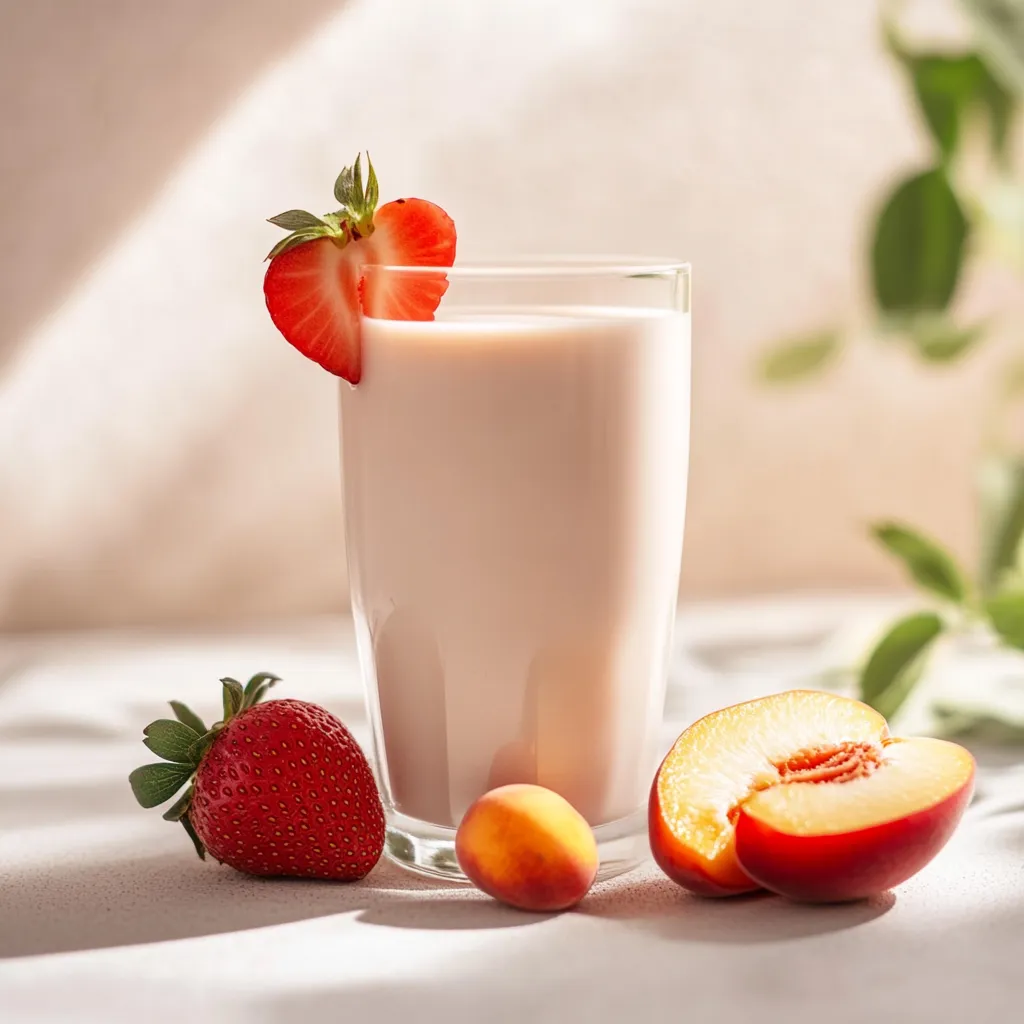
The rising popularity of plant-based milks has encouraged many home cooks to experiment with nutritious alternatives. Almond Vanilla Garden Orchard Milk is a delightful blend of texture and flavor that not only caters to those seeking dairy-free options but also embodies freshness and health. This creamy and smooth almond milk, enhanced with the sweet notes of vanilla and a dash of salt, creates a refreshing and indulgent beverage that can be enjoyed at any time of day.
With a simple preparation process, Almond Vanilla Garden Orchard Milk can elevate your morning routine, stand as a standalone refreshing treat, or serve as an excellent ingredient in smoothies, coffee, and for cooking. Additionally, its customizable nature allows you to tailor sweetness and flavor to suit your palate, making it an ideal choice for anyone looking to explore plant-based nutrition.
Recipe Overview
– Total Time: 12 hours (including soaking)
– Prep Time: 10 minutes
– Yield/Servings: 4 servings
– Difficulty: Not specified in the recipe
Ingredients
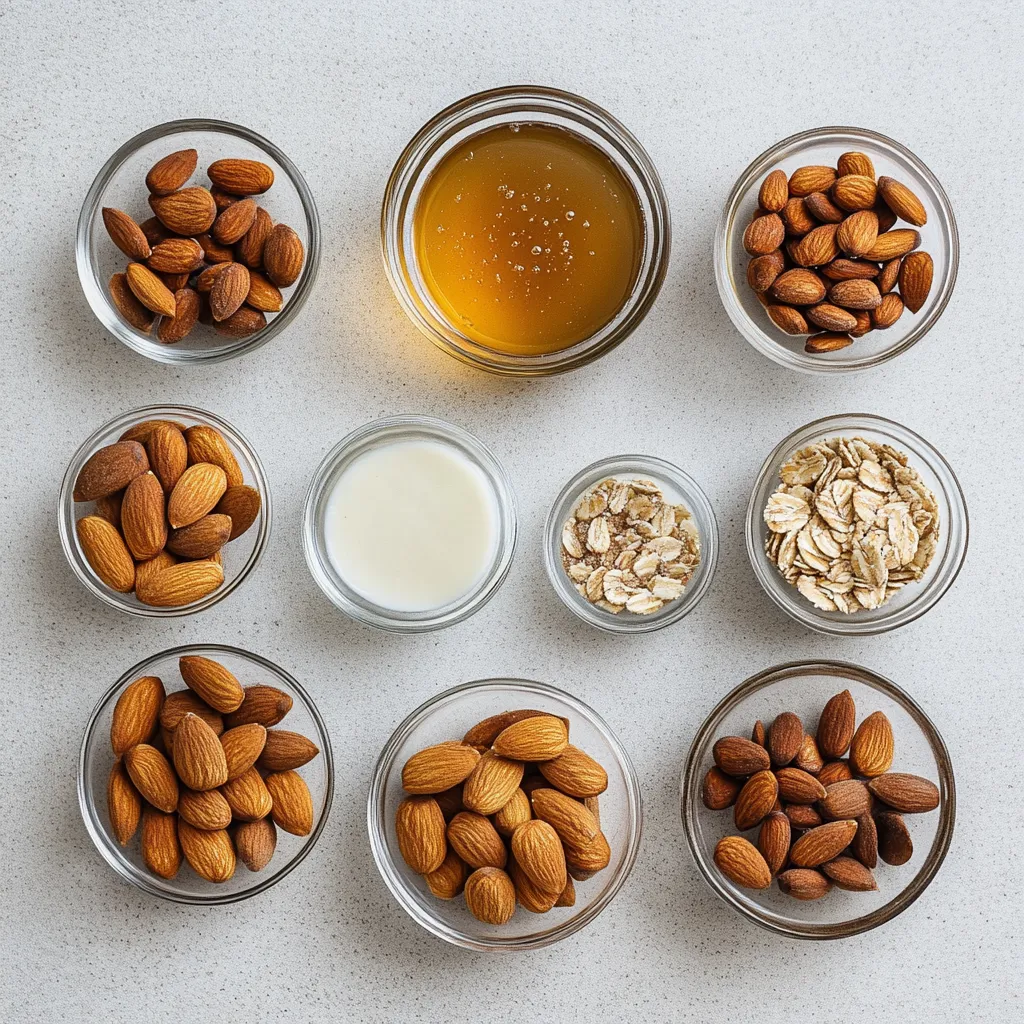
– 1 cup raw almonds, soaked overnight
– 4 cups filtered water
– 1 tablespoon pure vanilla extract
– 2 tablespoons maple syrup or honey (adjust according to your sweetness preference)
– A pinch of salt
– Optional: 1/2 teaspoon ground cinnamon or nutmeg for added warmth
– Fresh fruits (such as strawberries, peaches, or apples) for garnishing
Instructions
1. Begin by draining the soaked almonds and rinsing them thoroughly under cold water to eliminate any lingering bitterness.
2. In a high-speed blender, combine the rinsed almonds with the 4 cups of filtered water. Blend on high for approximately 1 to 2 minutes, or until the mixture reaches a creamy and smooth consistency.
3. Place a nut milk bag or a fine mesh strainer over a large bowl or pitcher. Carefully pour the blended almond mixture into the bag or strainer. Squeeze firmly to extract as much liquid as possible, discarding the remaining almond pulp.
4. To the freshly strained almond milk, add the pure vanilla extract, your choice of maple syrup or honey, and a pinch of salt. If you like, sprinkle in the ground cinnamon or nutmeg for an additional layer of flavor.
5. Use a whisk or briefly blend the mixture to ensure all ingredients are well incorporated.
6. Taste the almond vanilla milk and adjust the sweetness or flavorings as desired.
7. Pour the almond vanilla garden orchard milk into a glass or bottle. Serve it chilled or over ice, and enhance the presentation by garnishing with fresh fruits for a vibrant touch.
Preparation Techniques
Soaking Almonds Properly
Soaking raw almonds overnight is a crucial step in the process of making almond milk. This simple act not only softens the nuts, making them easier to blend into a creamy consistency but also aids in digestibility. Soaking helps to neutralize the enzyme inhibitors found in almonds, which can sometimes hinder digestion. For best results, the almonds should be fully submerged in water to ensure even soaking.
After soaking, it’s essential to drain and rinse the almonds thoroughly under cold water. This step is vital to remove the excess phytic acid, which can impart a bitter taste to the almond milk.
Blending Nuts to Perfection
Utilizing a high-speed blender is key to achieving that silky-smooth texture that makes homemade almond milk desirable. When selecting a blender for this task, ensure it has enough power to handle nuts effectively and provide the necessary high speed for blending. As you start blending, combine the soaked almonds with the filtered water — blending should typically take between 1 and 2 minutes.
To achieve the ideal consistency, monitor the process; if the milk appears grainy, blend for an additional 30 seconds. A creamy texture is what you’re aiming for, which can elevate your almond milk experience significantly.
Straining the Almond Milk
Straining almond milk is a vital step that can be done using either a nut milk bag or a fine mesh strainer. Nut milk bags are specifically designed for the task, allowing for effective separation of the milk from the almond pulp, while fine mesh strainers can work just as well. To maximize liquid extraction, pour the blended almond mixture into the strainer or bag, and use your hands to squeeze firmly.
When using a nut milk bag, ensure you twist and press from the top downwards, encouraging more milk to flow through while leaving the pulp behind. The leftover almond pulp can be saved for use in smoothies, baking, or other recipes, making it a waste-free process.
Flavoring Almond Milk
Infusing with Vanilla
Vanilla extract is a key flavor enhancer in this almond milk recipe. The richness and aromatic profile of pure vanilla extract add a delightful sweetness that perfectly complements the nuttiness of the almonds. Selecting high-quality pure vanilla extract is crucial, as it significantly impacts the overall flavor profile. Be wary of using synthetic extracts, as they can lack the depth and warmth that pure options provide.
For those looking to experiment, consider alternative flavorings such as unsweetened cocoa powder or fruit purees, which can also introduce exciting profiles to your homemade almond milk.
Adjusting Sweetness Levels
Sweetening almond milk can be tailored to individual preferences with the choice of maple syrup or honey — both offering unique flavors. The recipe suggests starting with two tablespoons but encourages tasting and adjusting to find your ideal level of sweetness.
Balancing flavors is equally important; if you’ve added additional spices, ensure they don’t overpower the almond or vanilla notes. Use a small quantity of the sweetener at first, and gradually increase while tasting to make certain the flavors harmonize beautifully.
Part 1 of the almond vanilla garden orchard milk recipe has provided a solid foundation of understanding regarding the ingredients, preparation techniques, and flavoring options. By following these steps, you’ll be well on your way to crafting a delectable plant-based milk that not only nourishes but delights the senses.
Importance of Tasting During Preparation
When preparing almond vanilla garden orchard milk, it’s essential to taste the mixture at various stages of the process. Tasting allows you to assess the creaminess and sweetness of the milk, helping you adjust ingredients to achieve the desired flavor profile. The balance of flavors can vary based on the specific almonds used, the type of sweetener, and personal preference. By tasting frequently, you can ensure that each component harmonizes perfectly, resulting in a drink tailored to your liking.
The Impact of Personal Preference on Sweetness and Flavor
Sweetness is highly subjective, and finding the right level for your almond milk may require some experimentation. Depending on your preference and dietary requirements, you may choose to increase or decrease the amount of maple syrup or honey added. Similarly, the addition of spices like cinnamon or nutmeg can dramatically affect the overall taste. Adjust these flavorings according to your palate for an enjoyable experience each time you make the milk.
Recommending Adjustments: How to Modify Your Milk to Suit Your Taste
To modify your almond milk to better suit your taste buds, consider the following adjustments. If you prefer a more robust flavor, increase the vanilla extract gradually, tasting continuously until you’re satisfied. If you’d like to reduce sweetness, experiment with alternatives, such as stevia or date syrup, always adding in small increments to control the final flavor. You may also explore adding a bit more salt; this can enhance the overall flavor while minimizing the perception of sweetness. Remember that the goal is to craft a flavor profile that is uniquely your own.
Layering Flavors
Enhancing Complexity: Combining Vanilla with Other Spices
Vanilla has a wonderful ability to marry well with various spices, making your almond milk richer and more aromatic. Consider adding spices such as cardamom or ginger, which can provide a different warmth and be particularly appealing in cooler months. Start with small quantities before ramping up to ensure none of the flavors overpowers the others. A pinch of turmeric could also add a beautiful golden hue, complementing the nuttiness while providing antioxidant benefits.
Experimenting with Fruits: Finding the Right Fruit Pairings
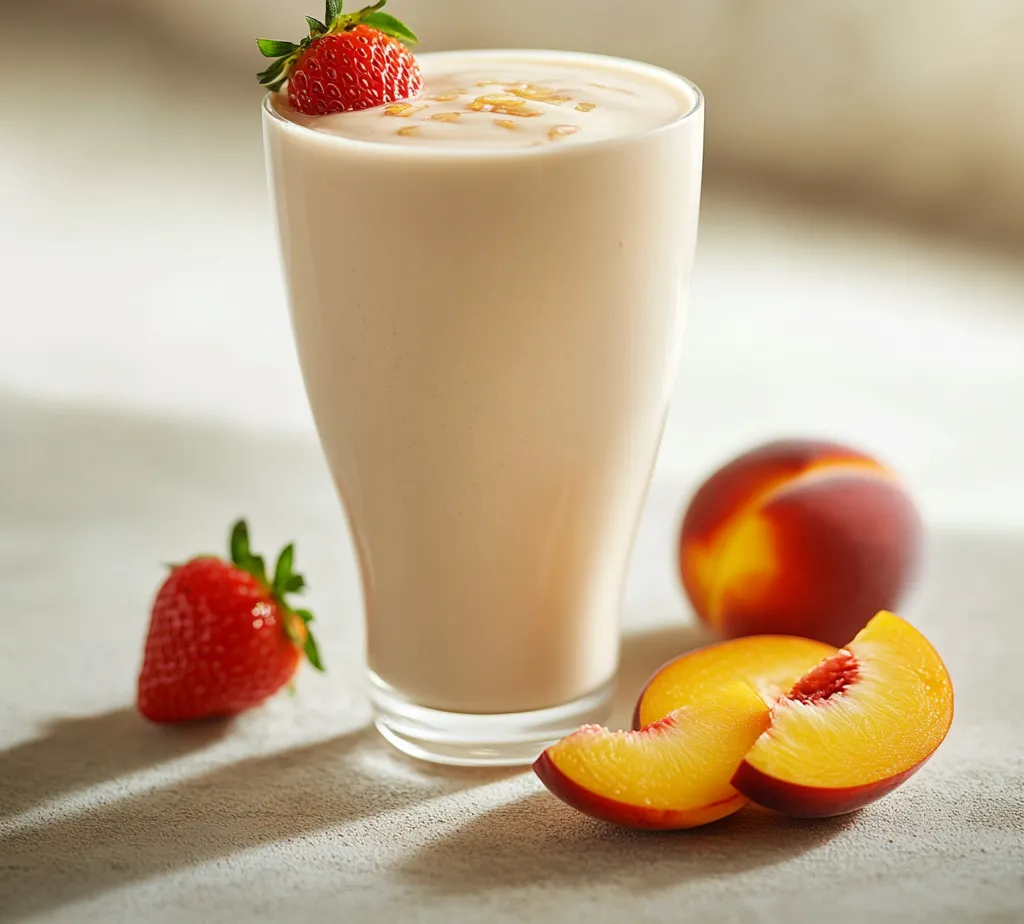
Fresh fruits can accentuate your almond vanilla garden orchard milk, bringing a refreshing element to the creamy base. Fruits like strawberries or peaches will meld beautifully with the vanilla and almond flavors. For a more tropical twist, try adding pineapple or mango slices. The key is to choose fruits that offer a balanced sweetness and acidity, enhancing the milk’s profile without overwhelming it. Garnishing the drink with a variety of fruits can also create visual appeal, turning your drink into an inviting treat.
Serving Suggestions
Temperature Variations
Enjoying Almond Milk Chilled vs. at Room Temperature: Benefits and Suggestions
Almond milk is typically enjoyed chilled, highlighting its refreshing qualities. Serving it over ice can create a delightful thirst-quencher, especially during warm weather. If you prefer it at room temperature, consider serving it in a warm environment, especially during those cooler days when a chilled drink may not be as appealing. You can also warm it gently on the stovetop for a comforting beverage, ensuring you do not boil it, as this may alter the flavor.
Recipes for Using Warmed Almond Milk: Creative Ways to Enjoy Hot Beverages
Warmed almond milk can be incorporated into several delightful recipes. Use it as a base for hot chocolate, combining it with cocoa powder and sweeteners to create a delectable beverage. For a soothing drink, try blending it with herbal teas such as chamomile or lavender before warming. Chai lattes can also benefit from almond milk; simply heat the milk with chai spices for a delightful twist on the classic drink.
Flavor Pairings
Complementary Foods: Breakfast Ideas that Pair Well with Almond Milk
Almond vanilla garden orchard milk pairs beautifully with several breakfast options. Drizzle it over oatmeal or chia pudding for an extra creamy texture. Use it in smoothies or pancake batter to add an enticing flavor. It also works wonderfully with cereals or granola, softening the texture and enhancing the taste. Incorporating almond milk into your breakfast routine can boost the nutritional value and create a wholesome start to your day.
Smoothie Recipes: Incorporating Almond Milk into Your Favorite Blends
Almond milk can serve as an excellent base for smoothies, lending its creamy texture and subtle sweetness to various fruit combinations. Blend it with spinach, bananas, and a scoop of nut butter for a nutrient-packed green smoothie. For a tropical twist, combine almond milk with pineapple, mango, and a splash of coconut water for a refreshing drink. Remember to taste your smoothies as you blend to ensure the flavors are just right.
Storage and Shelf Life
Proper Storage Techniques
Best Containers for Storing Almond Milk: Glass vs. Plastic
When storing homemade almond milk, choosing the right container is essential for maintaining freshness. Glass jars, especially those with airtight lids, are recommended, as glass is non-reactive and won’t impart any unwanted flavors. Avoid plastic containers whenever possible, as they can absorb odors and affect the taste of your almond milk over time.
Importance of Refrigeration: How to Maintain Freshness
Keeping your almond milk in the refrigerator is crucial to preserving its quality. Store it in the coldest part of your fridge and always keep it sealed. For best results, consume the milk within a week to ensure optimal freshness. If you find your almond milk starts to separate, a good shake will usually restore the consistency.
Shelf Life of Homemade Almond Milk
Indicators of Spoilage: Knowing When Your Almond Milk Has Gone Bad
Because homemade almond milk lacks preservatives, it has a shorter shelf life than store-bought versions. Signs of spoilage include a sour smell, off flavors, or unusual separation (beyond mere settling, which can be common). If you notice any of these indicators, it’s best to discard the milk to avoid any risk of discomfort.
Tips for Extending Shelf Life: Techniques for Better Preservation
To help extend the shelf life of your almond milk, ensure you’re using fresh ingredients when preparing it. Also, remember to maintain cleanliness throughout the process to minimize the risk of bacterial contamination. Consider making smaller batches more frequently if you find it difficult to consume larger quantities before spoilage.
Nutritional Benefits
Overview of Nutritional Value
Calories, Fats, and Proteins in Homemade Almond Milk Versus Store-Bought Options
Homemade almond milk typically contains fewer calories and additives compared to commercial varieties. It can be lower in sugar if you adjust sweetener quantities, and the fat content mainly comes from the almonds, often resulting in heart-healthy monounsaturated fats. The protein content may be lower than dairy milk, primarily due to almond milk’s water content, but it’s still beneficial as part of a balanced diet.
Additional Nutrients: Health Benefits of Almonds and Natural Sweeteners
Almonds are a source of vitamin E, magnesium, and antioxidants, while natural sweeteners like maple syrup and honey provide enzymes and minerals that processed sugars lack. These components work together to support overall health, making almond milk a nutritious choice to accompany your meals or stand alone as a treat.
Customizing Nutritional Profiles
Adding Protein Sources: Suggestions for Boosting the Protein Content
If you desire to increase the protein content of your almond milk, consider adding protein powders or blending in silken tofu. Nut butters can also enhance the creaminess and protein level while adding flavor. Monitor the taste and balance these additions carefully to ensure they enhance but do not overwhelm the profile.
Vegan Considerations: Ensuring All Ingredients Remain Plant-Based
This recipe is naturally vegan, as all ingredients are plant-based. However, when choosing sweeteners or protein boosters, it’s essential to verify that any additional products align with vegan standards. This will ensure that you maintain the integrity of your almond milk while catering to dietary preferences.
Tips for Maximizing Enjoyment
Experimenting with Different Nut Varieties
Exploring Alternatives: Hazelnuts, Cashews, and More
If you wish to diversify your almond milk experience, consider experimenting with other nuts such as hazelnuts or cashews. Each nut will impart a unique flavor and texture—trying different combinations can lead to delightful new beverages. A blend of almonds and cashews can produce an especially creamy milk that’s a wonderful addition to your recipes.
Combining Different Nuts: Creating Unique Blends for Diverse Flavors
Creating almond milk with mixed nuts allows for both flavor complexity and nutritional diversity. Start with a base of almonds and then add a handful of another variety. For instance, blend almonds with walnuts for a heart-healthy blend rich in omega-3 fatty acids, or combine them with pecans for a sweet and buttery taste.
Engaging Kids in the Process
Fun Ways to Involve Children in Making Almond Milk: Simple Steps They Can Help With
Making almond milk can be a family activity. Children can assist in measuring ingredients, pouring the components into the blender, and even taking turns squeezing the nut milk bag. This not only helps them learn about cooking but also encourages a sense of achievement as they taste their creations.
Tasting Activities: Encouraging Kids to Explore Flavors and Textures
Introduce children to a variety of flavors and textures by organizing a tasting session. After making the milk, provide various fruits and spices and let the kids create their flavors. Encourage them to describe their favorites, helping them appreciate the nuances of taste and how ingredients interact.
Conclusion
Almond Vanilla Garden Orchard Milk provides a creamy, subtly sweet beverage that holds a special place among plant-based drinks. With its customizable sweetness and optional spices, this almond milk is a refreshing treat suitable for various occasions. The total prep time is manageable, making it easy to include in your routine, ensuring that both flavor and texture can be tailored to personal preferences.
Almond Vanilla Garden Orchard Milk Recipe
Ingredients
- 1 cup raw almonds soaked overnight
- 4 cups filtered water
- 1 tablespoon pure vanilla extract
- 2 tablespoons maple syrup or honey
- a pinch salt
- ½ teaspoon ground cinnamon or nutmeg optional
- as needed fresh fruits for garnishing
Instructions
- Drain the soaked almonds and rinse them under cold water.
- Blend the rinsed almonds with 4 cups of filtered water for 1 to 2 minutes until creamy.
- Strain the blended mixture using a nut milk bag or fine mesh strainer over a bowl.
- Squeeze to extract as much liquid as possible, discarding the almond pulp.
- Add vanilla extract, maple syrup or honey, and a pinch of salt to the almond milk.
- Mix well, adding ground cinnamon or nutmeg if desired.
- Taste and adjust sweetness or flavorings as needed.
- Pour into a glass or bottle and serve chilled or over ice.
- Garnish with fresh fruits for an elegant presentation.