
Introduction
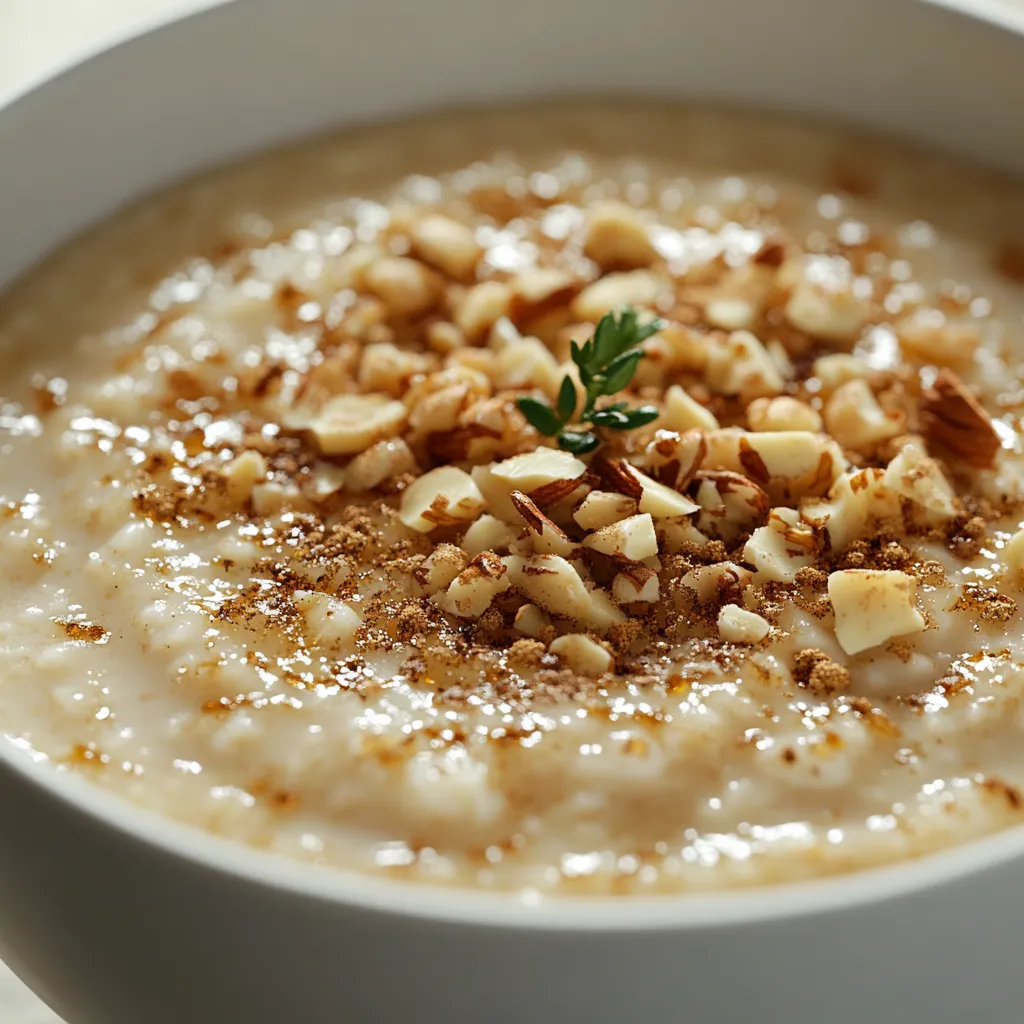
The cozy embrace of a warm bowl of creamy Norwegian rice porridge, known as Risgrøt, evokes feelings of nostalgia and comfort. This traditional Scandinavian dish, often enjoyed during festive occasions, is celebrated for its simplicity and rich flavor. With its creamy texture and sweet undertones, Risgrøt serves as an ideal breakfast or dessert, bringing warmth to your table on chilly days or as a satisfying treat any time of year.
This versatile dish offers flexibility in flavor, allowing each individual to customize it according to personal tastes. Whether enjoyed plain or adorned with delightful toppings such as raisins and chopped nuts, this porridge is a reflection of heartfelt cooking traditions that span generations. The aromatic hints of cinnamon and sugar create an inviting presentation, making it a charming centerpiece for any meal or gathering.
Recipe Overview
– Total Time: Not specified in the recipe.
– Yield/Servings: Not specified in the recipe.
– Difficulty: Not specified in the recipe.
Ingredients
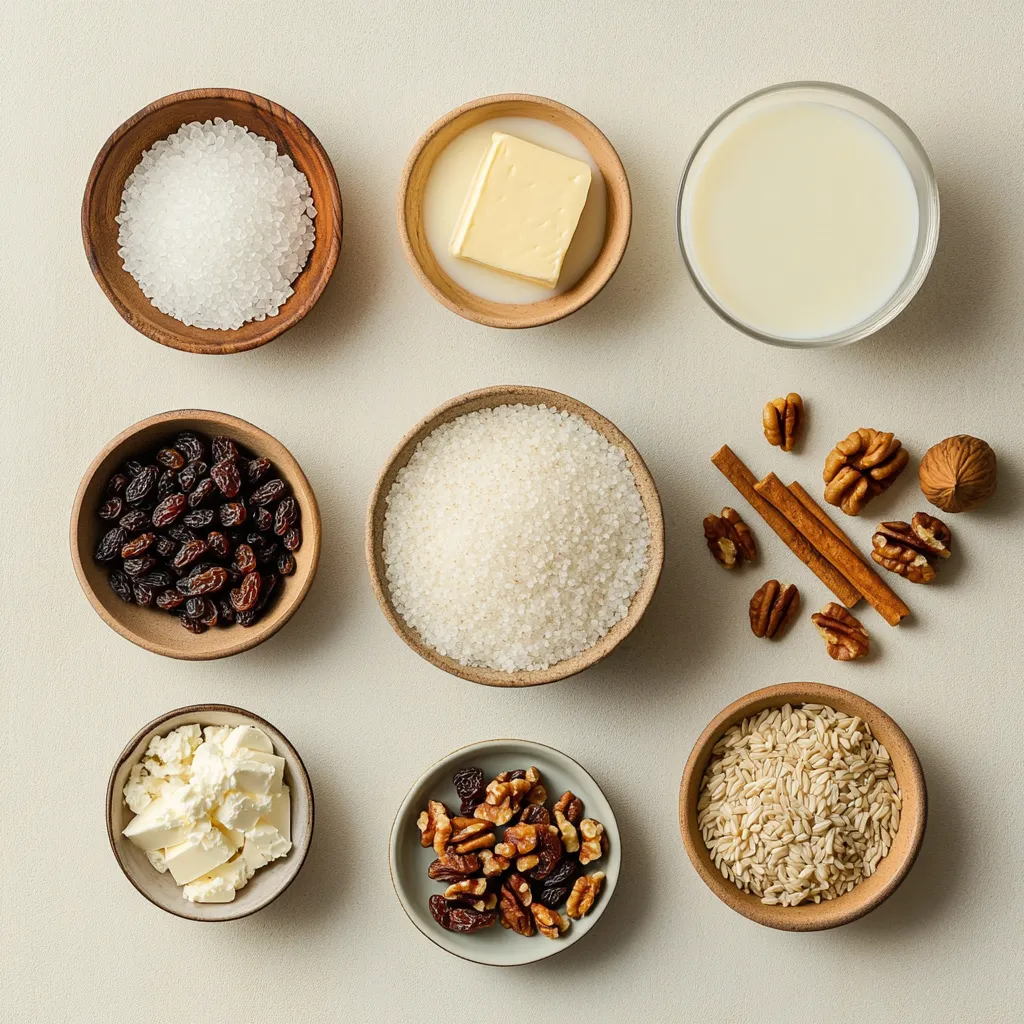
– 1 cup short-grain rice (such as Arborio or sushi rice)
– 4 cups whole milk
– 1/4 teaspoon salt
– 2 tablespoons sugar (optional, adjust according to your taste)
– 1/2 teaspoon ground cinnamon (for serving)
– 2 tablespoons unsalted butter
– 1/4 cup raisins (optional)
– Chopped nuts (such as almonds or hazelnuts, for garnish)
– A sprinkle of sugar (for garnish)
Instructions
1. Begin by rinsing the short-grain rice under cold water using a fine mesh strainer. Continue rinsing until the water runs clear; this process helps to eliminate excess starch, ensuring your porridge remains creamy rather than overly sticky.
2. In a large saucepan, combine the rinsed rice with the whole milk and salt. Stir the mixture gently to ensure all ingredients are well incorporated.
3. Place the saucepan over medium heat and bring the mixture to a gentle boil. Stir continuously to prevent the rice from sticking to the bottom of the pan and to promote even cooking.
4. Once the mixture reaches a boil, lower the heat to a simmer and cover the saucepan with a lid. Allow the rice to simmer for approximately 30-40 minutes, stirring occasionally. The rice should become tender, and the mixture will thicken to a creamy consistency.
5. If you choose to include them, add the sugar and raisins during the last 5 minutes of cooking. This will enhance the sweetness and add a delightful texture to the porridge.
6. After cooking, remove the saucepan from the heat and stir in the unsalted butter until it melts completely and blends into the porridge.
7. Serve the Risgrøt while hot, garnished with a light dusting of ground cinnamon, a sprinkle of sugar, and a handful of chopped nuts for an added crunch and visual appeal.
Rinsing the Rice
Importance of Rinsing
Rinsing the rice plays a crucial role in achieving the perfect porridge texture. In the context of preparing Risgrøt, washing the rice is necessary to help remove excess starch that can lead to clumpy and overly sticky porridge. A properly rinsed rice will cook up to be light and creamy, maintaining an ideal consistency that enhances the dish’s overall appeal.
Recommended Method
To rinse the rice effectively, utilize a fine mesh strainer, allowing the cold water to flow over the grains while gently stirring. This method ensures that every grain is thoroughly washed. The key is to continue rinsing until the water runs clear, indicating that most of the starch has been removed. Proper rinsing sets the stage for a beautifully creamy Risgrøt that delights in texture and taste.
Preparing the Cooking Mixture
Combining Ingredients
In a large saucepan, the rinsed rice is combined with whole milk and a pinch of salt. It is essential to stir gently during this phase to ensure an even distribution of ingredients. The right blend and balance of milk and salt are integral to crafting a creamy porridge that is both satisfying and delicious. Stirring helps integrate the rice with the milk, setting the foundation for the desired creamy texture.
Importance of Salt
Adding a touch of salt to the mixture profoundly enhances the overall flavor of the porridge. Salt is essential in balancing the sweetness that may arise from the optional addition of sugar, creating a harmonious taste profile. Moreover, it accentuates the natural creaminess of the whole milk, allowing each spoonful to be a delightful experience. Incorporating salt at this stage is a small but significant step that elevates Risgrøt beyond a mere breakfast item to a comforting, exquisite treat.
Cooking Process
Initial Heating
After combining the ingredients, begin by placing the saucepan over medium heat. It is vital to bring the mixture to a gentle boil carefully; this marks the initiation of the cooking process for the rice. Attention to heat level here is crucial, as an excessively high flame could scorch the milk or lead to uneven cooking. Gentle heating allows the rice to absorb the milk gradually while creating that signature creamy texture unique to Risgrøt.
Stirring Techniques
Continuous stirring during this initial heating phase is essential. It not only prevents the rice from sticking to the bottom of the pan—an unwanted scenario that could lead to scorching—but also promotes even cooking. Stirring ensures that the rice grains remain separated and uniformly cooked to tenderness. This technique is key to achieving the silky smooth and creamy consistency that defines a well-prepared Risgrøt.
Achieving the Right Consistency
As the mixture reaches a gentle boil and then transitions to a simmer, the rice begins to soften, releasing its starches into the milk, which thickens the porridge. This cooking method fosters the perfect creamy texture; it may take approximately 30-40 minutes of simmering for the rice to be tender and for the porridge to achieve its ideal consistency. During this time, occasional stirring is necessary, allowing for monitoring of the thickness and preventing any sticking or scorching. A well-cooked Risgrøt will exhibit a luscious texture, demonstrating perfect harmony with the enriched flavors developed during cooking.
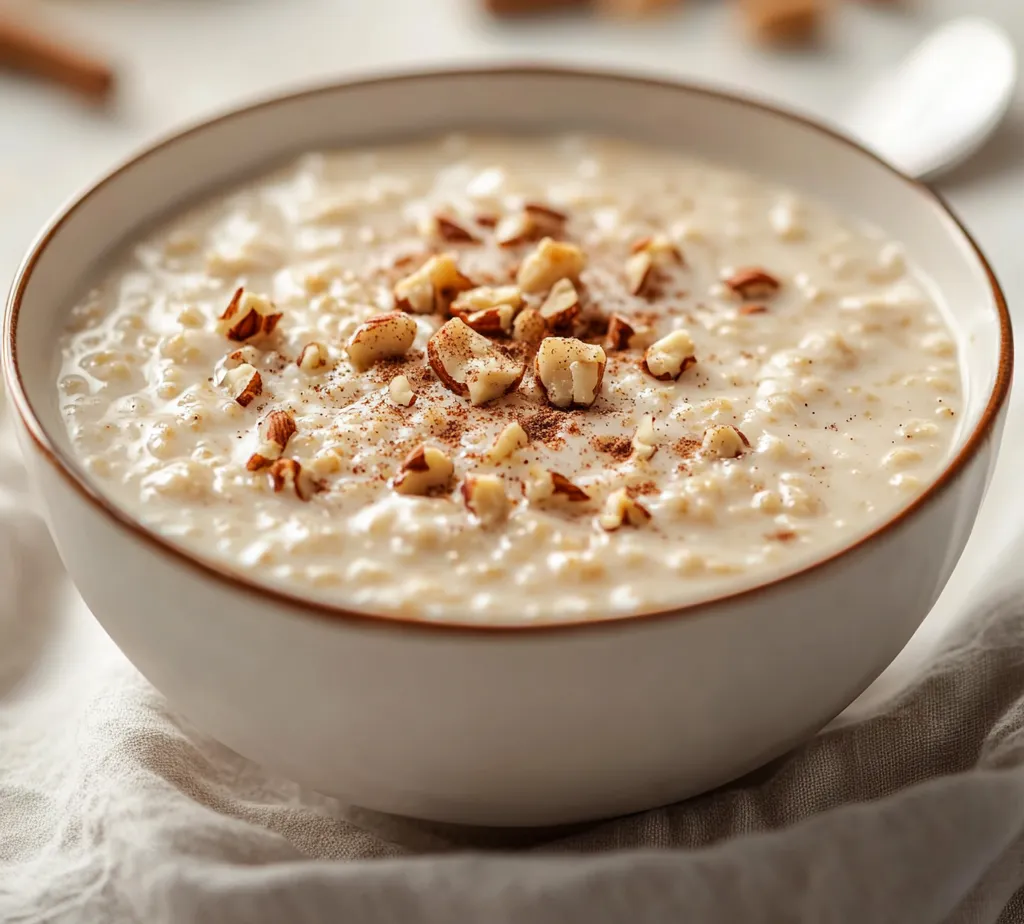
the porridge’s creamy consistency, making it just as enjoyable as when it was first made.
Troubleshooting Common Issues
Porridge Appears Too Thick
If your Risgrøt becomes too thick while cooking, it’s a quick fix. Simply add a little more milk or water while stirring continuously until you reach the desired consistency. This is particularly important to maintain the creamy texture for serving.
Rice Not Cooking Through
If you notice that the rice is still hard after the suggested cooking time, it may need a little more time on the simmering heat. Allow for an additional 5-10 minutes, checking occasionally to prevent sticking. Make sure to stir gently and keep the lid on to maintain heat.
Burnt Porridge
To avoid burnt porridge, stir frequently, especially towards the end of cooking when the mixture thickens. If you find that the bottom has burnt, quickly remove the unburnt portion into another container without scraping the bottom layer, as this may introduce a burnt flavor.
Frequently Asked Questions
Can I use a different type of rice?
While short-grain rice like Arborio or sushi rice are the best options for this recipe, you could use medium-grain rice as a substitute. However, the texture may not be as creamy. Long-grain rice is not recommended as it does not release enough starch for the desired consistency.
Is it possible to make Risgrøt dairy-free?
Not specified in the recipe. However, if looking to make a dairy-free version, you could substitute whole milk with a non-dairy alternative like almond milk or coconut milk, keeping in mind that this could alter the flavor and texture slightly.
How sweet should the porridge be?
Sweetness is a personal preference. The optional sugar listed can be adjusted based on your taste. You might want to start with a small amount first and then increase it if a sweeter flavor is desired.
Can I prepare Risgrøt in advance?
Yes, you can prepare Risgrøt in advance. Just follow the storage tips mentioned earlier. Although the texture may change slightly upon refrigeration, reheating with additional liquid can help regain its creamy quality.
What are some common culinary traditions involving Risgrøt?
Risgrøt is often served during festive occasions and holiday meals in Norway, particularly around Christmas. It’s traditionally enjoyed with a sprinkle of cinnamon and sugar, often accompanied by a nice cup of coffee or glogg (mulled wine). Some families incorporate a hidden almond in the porridge, and whoever finds it is said to have good luck for the upcoming year.
Serving Suggestions
Bowl Presentation
For an elegant presentation, ladle the hot Risgrøt into individual serving bowls. Creating a small well in the center for a pat of butter and a few raisins will not only look appealing but will also enhance the flavors when the butter melts.
Pairing with Beverages
Consider pairing your creamy Risgrøt with warm drinks such as chai tea, hot chocolate, or even spiced apple cider for a comforting meal during colder months. The heat from the beverage complements the warmth of the porridge, making it a delightful combo.
Variations of Risgrøt
Flavor Variations
For those looking to switch things up, consider adding a splash of vanilla extract or a hint of freshly grated nutmeg during cooking for added fragrance and flavor depth. These variations can elevate your Risgrøt experience beyond the traditional flavor.
Textural Additions
Feel free to experiment with different toppings like fresh berries, sliced bananas, or toasted coconut flakes. These additions will not only enhance the flavor but also offer a new textural experience, making each bowl unique.
Nutritional Information
Nutritional Benefits of Ingredients
Risgrøt is a wholesome dish, benefiting from the creamy richness of whole milk and the energy-providing properties of short-grain rice. Whole milk adds calcium and essential vitamins, while rice delivers carbohydrates for sustained energy.
Moderation in Sugar
While sugar can enhance the flavor, mindful consumption is key. Balancing this indulgence with healthy ingredients like nuts and fruits can help create a nourishing meal that doesn’t overwhelm the diet.
Storage and Reheating Tips
Proper Storage Techniques
After enjoying your meal, any leftover Risgrøt should be cooled to room temperature and then transferred to an airtight container. Stored properly in the refrigerator, it can last for up to three days, retaining its flavors.
Reheating Methods
When reheating, adding a splash of milk is advisable to revive the creamy texture of the porridge. Heat gently on the stovetop over low heat while stirring, or microwave in short intervals, stirring in between. This will help to distribute the heat evenly and prevent the mixture from scorching.
In conclusion, Creamy Norwegian Rice Porridge offers a warm, comforting dish ideal for any time of year. It has a rich and delightful texture, a soothing creaminess from the milk, and customizable flavors suited to individual preferences. With a cooking time of about 30-40 minutes, it provides a satisfying and nourishing meal option that can be adjusted according to taste and dietary needs.
Creamy Norwegian Rice Porridge Risgrøt
Ingredients
- 1 cup short-grain rice such as Arborio or sushi rice
- 4 cups whole milk
- ¼ teaspoon salt
- 2 tablespoons sugar optional
- ½ teaspoon ground cinnamon for serving
- 2 tablespoons unsalted butter
- ¼ cup raisins optional
- chopped nuts such as almonds or hazelnuts, for garnish
- a sprinkle of sugar for garnish
Instructions
- Rinse the short-grain rice under cold water until the water runs clear.
- In a large saucepan, combine the rinsed rice, whole milk, and salt.
- Place the saucepan over medium heat and bring to a gentle boil, stirring continuously.
- Once boiling, lower the heat to a simmer and cover the saucepan.
- Allow the rice to simmer for 30-40 minutes, stirring occasionally.
- Add sugar and raisins during the last 5 minutes of cooking if desired.
- Remove from heat and stir in the unsalted butter until melted.
- Serve hot, garnished with ground cinnamon, sugar, and chopped nuts.