
Introduction
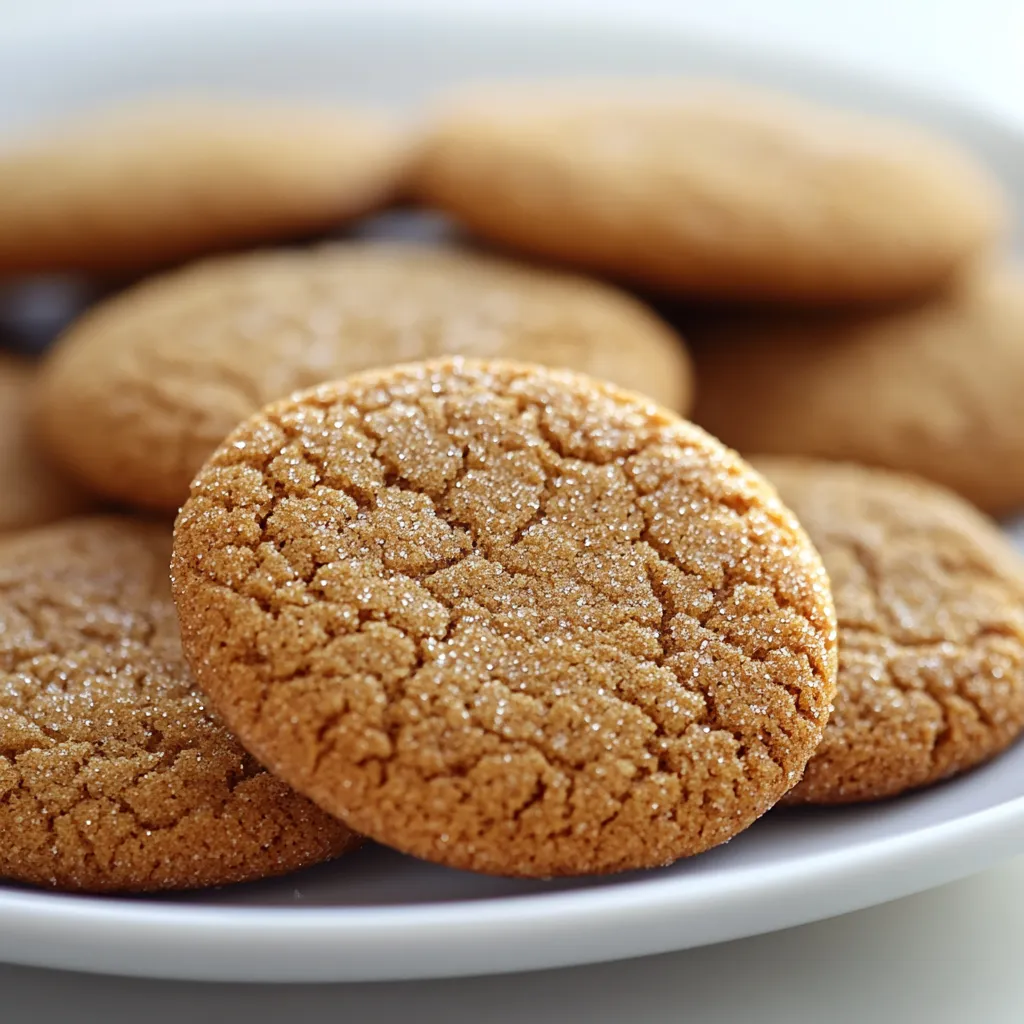
Delve into the delightful world of baking with this enchanting recipe for Gingerdoodle Cookies. This incredible fusion of ginger and traditional snickerdoodle cookies will delight your senses and leave you craving more. Perfect for dessert lovers and a wonderful addition to any gathering, these cookies boast a burst of warmth and spice from ground ginger and cinnamon, enveloped in a soft, fluffy texture that melts in your mouth.
The Gingerdoodle Cookies are an ideal balance of sweet and spicy, making them a perfect companion for gatherings, holiday celebrations, or simply an afternoon treat with a warm beverage. The delightful aroma of ginger and cinnamon wafting from your kitchen will surely attract everyone in the household, creating a cozy, inviting atmosphere. Whether you’re baking these cookies for a special occasion or just a weekend treat, they are sure to impress both family and friends alike.
With an uncomplicated process and a relatively short baking time, you can whip these charming cookies together in about half an hour. Get ready to fill your home with the irresistible scent of freshly baked Gingerdoodle Cookies!
Recipe Overview
– Prep Time: 15 minutes
– Cook Time: 12 minutes
– Total Time: 27 minutes
– Course: Dessert
– Cuisine: American
– Servings: Approximately 24 cookies
– Calories: ~150 per cookie
Gingerdoodle Cookies are a charming twist on classic cookies that blend familiar flavors for a unique experience. These cookies are not only incredibly delicious but also quick to make, requiring only 27 minutes from start to finish. Below, you’ll find a detailed guide to creating approximately 24 delectable cookies that perfectly encapsulate the essence of American dessert cuisine.
Ingredients
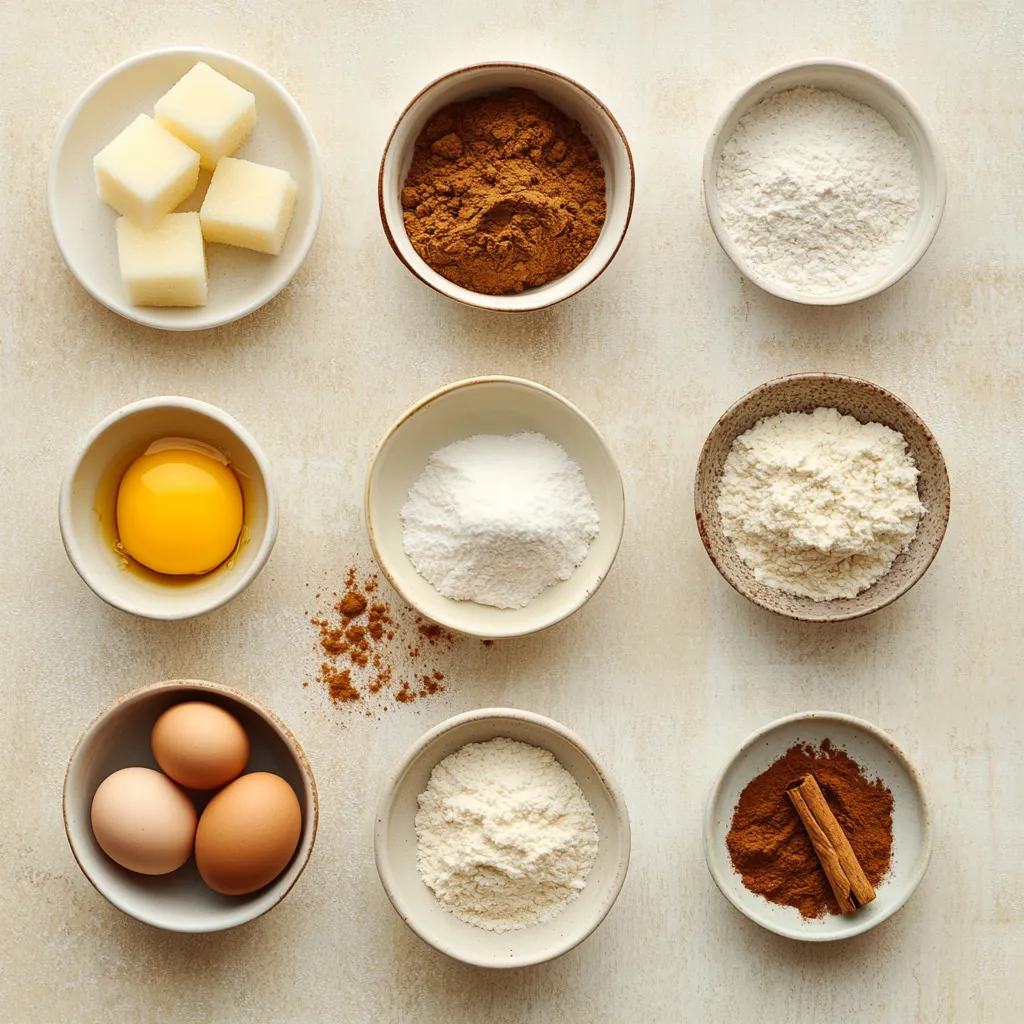
Understanding the ingredients is crucial for success in baking. Here’s a detailed look at what you’ll need to whip up these tasty treats:
– 1 cup unsalted butter, softened to room temperature
– 1 cup granulated sugar
– 1/2 cup packed brown sugar
– 1 large egg
– 1 teaspoon pure vanilla extract
– 2 cups all-purpose flour
– 1 teaspoon baking soda
– 1 teaspoon ground ginger
– 1 teaspoon ground cinnamon
– 1/2 teaspoon fine sea salt
– 1/4 cup granulated sugar for rolling
– 1 tablespoon ground cinnamon for rolling
Unsalted Butter
Using unsalted butter is essential in baking as it allows you to control the salt level of your final product. When softened to room temperature, butter becomes pliable, making it easier to cream together with sugars for a light, airy texture. The fat in butter contributes to the cookie’s overall flavor and helps create a tender crumb.
Sugars
Both granulated sugar and brown sugar play a critical role in the flavor and texture of the cookies. Granulated sugar provides sweetness and encourages the cookies to crisp a bit on the edges. On the other hand, packed brown sugar adds moisture and a slight chewiness to the cookie’s texture due to its molasses content, enhancing the overall depth of flavor.
Egg
The large egg included in the recipe is vital for binding the ingredients together, providing structure and moisture. Eggs also add richness to the cookie dough, contributing to a more satisfying mouthfeel.
Vanilla Extract
Vanilla extract is a common component in many dessert recipes, adding a depth of flavor that enhances the sweetness of the cookie. The subtle vanilla notes blend beautifully with the spices, resulting in a rounded flavor profile.
All-Purpose Flour
All-purpose flour serves as the foundation for the cookie dough. It gives the cookies their structure while absorbing moisture. Using the right amount is crucial; too much flour can lead to dry cookies, while too little can make them overly soft.
Baking Soda
As a leavening agent, baking soda helps the cookies rise slightly during baking. This helps create a soft texture while contributing to the overall chewiness of the final cookie.
Ground Ginger
The star spice in these Gingerdoodle Cookies, ground ginger not only provides a warm, zesty flavor but also introduces a bit of heat, complementing the sweetness perfectly. Fresh ginger can be substituted, but ground ginger offers convenience without sacrificing the characteristic taste.
Ground Cinnamon
Cinnamon enhances the warm flavor profile of the cookies and pairs beautifully with ginger, creating a deliciously aromatic combination. Its addition elevates the cookies and gives them the classic warmth associated with baked treats.
Fine Sea Salt
A crucial ingredient in dessert baking, fine sea salt balances out the sweetness while amplifying the other flavors. Salt can act as an enhancer, deepening the cookie’s taste and highlighting the spices used.
Cinnamon-Sugar Coating
Rolling the cookies in a cinnamon-sugar mixture before baking not only adds extra sweetness but also forms a delightful crust that complements the soft texture of the cookie. Variations of the mixture can be used to adjust the flavor profile according to personal preferences.
Preparing for Baking
Preparation is key to successful baking. Follow these steps to get your kitchen ready:
Preheating the Oven
Start by preheating your oven to 350°F (175°C). Preheating is essential for consistent baking, ensuring that your cookies bake evenly and at the right temperature from the moment they enter the oven. It helps to initiate the rising process of the cookies, making sure they are fluffy and delightful.
Lining the Baking Sheet
Prepare your baking sheet by lining it with parchment paper. This step is beneficial as it prevents the cookies from sticking and makes for easier cleanup. If parchment paper is not available, a light greasing of the baking sheet can work as an alternative, but parchment tends to provide the best results for cookie removal.
Mixing the Dough
Combining ingredients correctly is vital for the perfect dough. Here’s how to do it:
Creaming the Butter and Sugars
In a large mixing bowl, begin by combining the softened butter, granulated sugar, and brown sugar. Beat the mixture using an electric mixer on medium speed until it turns light and fluffy, which typically takes about 2-3 minutes. Achieving the right texture at this stage is crucial, as it incorporates air into the dough, helping to create the desired airy consistency in the finished cookies.
Incorporating Wet Ingredients
Once the butter and sugar have reached the fluffy stage, add in the egg and vanilla extract. Mix thoroughly until everything is well combined and smooth. It’s essential to check that there are no streaks of butter or sugar visible, as a uniform mixture contributes to the evenness of the cookie dough.
Combining Dry Ingredients
In a separate bowl, whisk together the all-purpose flour, baking soda, ground ginger, ground cinnamon, and fine sea salt. This ensures even distribution of the dry ingredients, which is vital for a consistent texture and flavor throughout the cookies. Once the dry mixture is well combined, gradually add it to the wet mixture, stirring gently until just combined. Be careful not to overmix, as this can lead to tough cookies. The dough should be soft but not sticky, making it easy to scoot into balls for baking.
Combining Wet and Dry Mixtures
In creating scrumptious Gingerdoodle Cookies, the way you combine the wet and dry ingredients is vital to achieving the perfect texture.
Guidelines for Folding the Dough
When you add the dry ingredients to the wet mixture, use a spatula or wooden spoon to gently fold them together. Start by adding one-third of the dry mix at a time, carefully incorporating it without overworking the dough. The goal is to combine everything just until you see no more flour; it’s okay if there are a few little lumps. Overmixing can lead to tough cookies, so be gentle!
Recognizing the Perfect Dough Consistency
The final dough should be soft and somewhat pliable—a texture that holds together without being overly sticky. If your dough seems too dry, you can add a teaspoon of milk to help bind it. If it’s too sticky, sprinkle a little extra flour, one tablespoon at a time, until the consistency feels right.
Rolling the Cookies
Proper rolling and shaping not only enhance the visual appeal of your cookies but also their texture. Here’s a step-by-step guide for achieving perfectly rolled dough.
Scooping Portions of Dough
Using a tablespoon measure is recommended for scooping out portions of dough. This way, each cookie will be of uniform size, which ensures even baking. A level tablespoon should suffice, but if you prefer larger cookies, you can opt for a heaping tablespoon for a more substantial treat.
Techniques for Portioning the Dough Accurately
To portion the dough accurately, scoop it with a spoon and scrape it against the bowl’s edge to level it off. This minimizes the risk of having dough balls that are too small or too large.
Rolling in Cinnamon-Sugar
Coating the cookie dough in cinnamon-sugar is a signature step that adds an attractive finish and an extra punch of flavor.
Ensuring Complete Coating
Once you’ve shaped the dough into balls, roll each ball in the cinnamon-sugar mixture until it’s fully covered. This enhances the cookies’ taste and gives them a delightful outer crunch.
Tips for Achieving an Even Layer of the Mixture
Ensure the sugar and cinnamon are well blended before rolling the dough balls. A consistent mixture prevents any clumping and guarantees that each cookie receives the same delicious flavor profile.
Arranging on the Baking Sheet
How you arrange your dough balls on the baking sheet dramatically impacts the final shape and texture of your cookies.
Spacing the Dough Balls
Leave about 2 inches of space between each ball on the baking sheet. This distance allows the cookies room to spread as they bake. Proper spacing is key; if they are placed too close together, they will merge into each other and result in uneven shapes.
How Spacing Affects the Cookie’s Shape During Baking
Cookies tend to spread naturally due to the melted butter, so ensuring adequate space helps maintain their individual look and texture. Tight spacing could lead to a gooey, merged appearance instead of the distinct, perfectly shaped cookies you desire.
Baking the Cookies
Baking requires precision; understanding the baking process will help you achieve great results.
Baking Time and Temperature
Place your baking sheet with the arranged dough in a preheated oven set to 350°F (175°C). For even baking, it’s essential that the oven is properly preheated.
Troubleshooting Tips for Underbaking or Overbaking
If your cookies appear just slightly underbaked, they may firm up as they cool; however, if you see a wet dough in the center after the suggested baking time of 10-12 minutes, they might need a minute or two more. Conversely, overbaking results in dry cookies—watch for the edges to lightly brown, while the middle should look slightly soft.
Identifying Perfectly Baked Cookies
To check for doneness, look for a golden edge and a soft center. If they puff up and then fall slightly after removing them from the oven, they are likely perfect. Allowing them to retain some softness will ensure you have that desirable chewy texture.
Cooling Process
Cooling cookies allows them to stabilize and enhances their flavor. Getting this step right is just as important as the previous stages.
Cooling on the Baking Sheet
After taking your cookies out of the oven, let them cool on the sheet for about 5 minutes. This initial cooling period is crucial as it allows the cookie to set, making them easier to transfer without breaking.
Timing for Transferring to a Wire Rack
Once the time has elapsed, gently transfer the cookies to a wire rack for complete cooling. This helps them cool evenly and prevents sogginess based on trapped steam.
Cooling on a Wire Rack
Allowing cookies to cool entirely on a rack offers benefits that are different from cooling on a sheet.
Benefits of Cooling Completely on a Rack
A wire rack allows air to circulate around the cookies, which is essential for achieving the desired texture. It prevents steaming and ensures that the cookies maintain their chewy and soft centers without becoming overly soft or soggy.
How Cooling Time Can Affect Cookie Texture
Cooling for too little time can mean that the center remains overly doughy, while too long can lead to hardened cookies. Aim for about 15-20 minutes until completely cooled for best results.
Presentation Tips
Make your Gingerdoodle Cookies an eye-catching addition to any serving table with some presentation flair.
Decorative Plating
Serving your cookies on a decorative platter can elevate the dessert experience. Consider a simple white plate to make the vibrant cinnamon-sugar coating pop against the background.
Ideas for Garnishing with Cinnamon
For an elegant touch, dust the cookies with additional ground cinnamon before serving. This gives a delightful visual and aromatic appeal that invites guests.
Pairing Recommendations
Gingerdoodle Cookies pair wonderfully with hot beverages like spiced tea or coffee. Create a cozy atmosphere with some whipped cream or butter for dipping, enhancing the overall dessert experience.
Storing Gingerdoodle Cookies
Proper storage ensures that your Gingerdoodle Cookies remain fresh and delicious.
Best Storage Practices
Store your cookies in an airtight container at room temperature to maintain their freshness. Ensure they are entirely cool before sealing to prevent condensation.
Duration Cookies Can Be Kept Fresh
When stored correctly, your cookies can stay fresh for up to a week. If you anticipate prolonging the joy of these cookies, consider freezing them to extend their shelf life.
Reheating Instructions
For that just-baked experience, heat your cookies in a microwave for about 10-15 seconds. Alternatively, you can warm them in an oven preheated to 350°F (175°C) for a few minutes, ensuring they do not lose their chewy texture.
Conclusion
Gingerdoodle Cookies offer a delightful blend of spice and sweetness, perfect for any dessert lover. With simple ingredients and a quick preparation time of just 27 minutes, they offer not only convenience but also that warm, comforting flavor that’s ideal for sharing. Enjoy these cookies fresh or as part of a cozy gathering with friends and family.

Gingerdoodle Cookies Delight: A Spicy-Sweet Treat
Ingredients
- 1 cup unsalted butter softened
- 1 cup granulated sugar
- ½ cup packed brown sugar
- 1 large egg
- 1 teaspoon pure vanilla extract
- 2 cups all-purpose flour
- 1 teaspoon baking soda
- 1 teaspoon ground ginger
- 1 teaspoon ground cinnamon
- ½ teaspoon fine sea salt
- ¼ cup granulated sugar for rolling
- 1 tablespoon ground cinnamon for rolling
Instructions
- Preheat your oven to 350°F (175°C) and line a baking sheet with parchment paper.
- In a large bowl, beat the softened butter, granulated sugar, and brown sugar until light and fluffy.
- Add the egg and vanilla extract, mixing until well combined.
- In another bowl, whisk together the flour, baking soda, ginger, cinnamon, and sea salt.
- Gradually add the dry ingredients to the wet mixture, stirring until just combined.
- Mix the remaining sugar and cinnamon in a small bowl for rolling.
- Scoop dough portions and roll them into balls, then coat in the cinnamon-sugar mixture.
- Place the dough balls on the baking sheet, leaving space between them.
- Bake for 10-12 minutes until edges are golden and centers are soft.
- Cool on the baking sheet for 5 minutes before transferring to a wire rack.