
Introduction
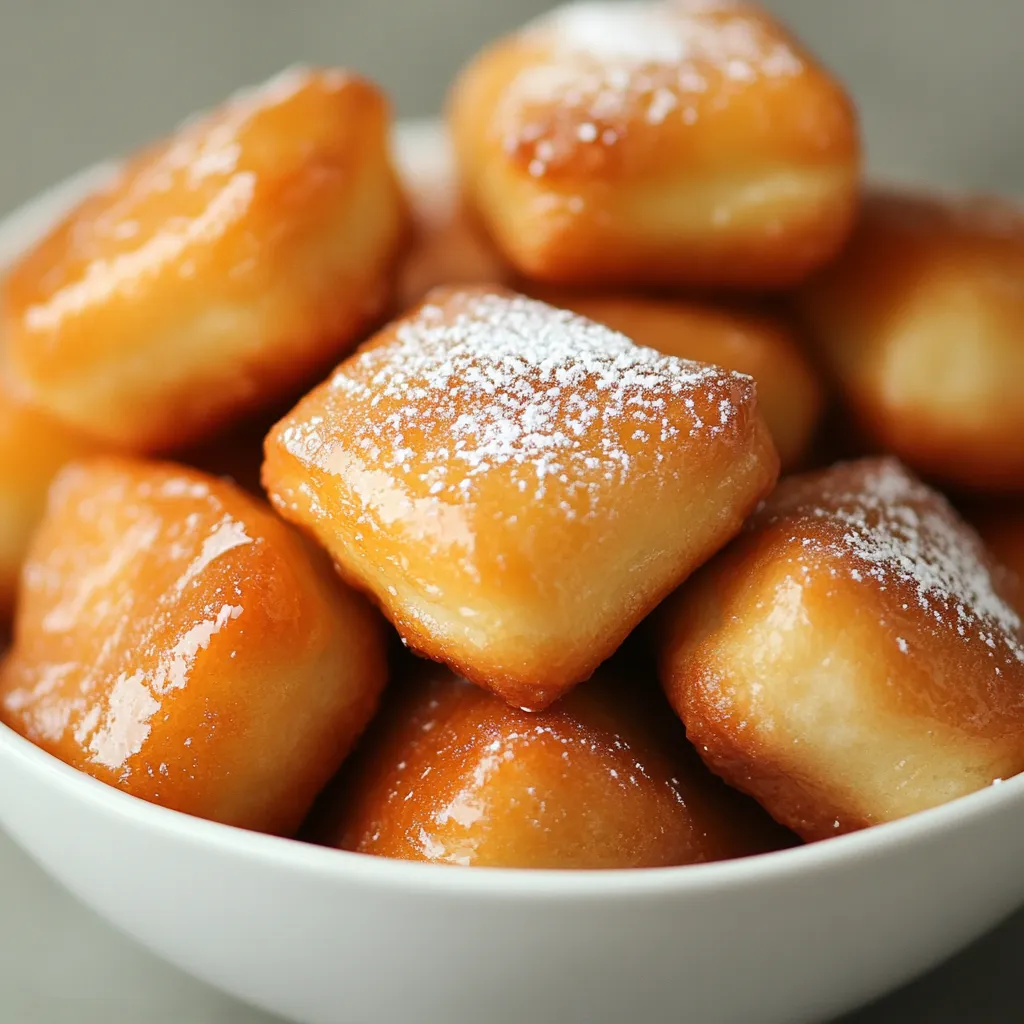
Beignets are a delightful pastry originating from French cuisine, capturing the hearts and taste buds of many with their soft, fluffy texture and sweet glaze. These glazed buttermilk beignets are a perfect treat for any occasion, be it a festive brunch or simply a weekend indulgence. Their rich flavor, thanks to the buttermilk and subtle kick of nutmeg, sets these treats apart, creating an irresistible dessert or snack that is hard to resist.
Imagine biting into these hot, pillowy treats, the sweet glaze melting in your mouth with each delicious chew. Their perfect balance of flavors makes them suitable for breakfast, dessert, or an afternoon snack. The lightness of the beignet pairs beautifully with coffee or hot chocolate and can elevate any gathering into a special event. Whether served plainly or with additional toppings, glazed buttermilk beignets make for a memorable sweet escape.
Recipe Overview
– Total Time: 40 minutes
– Prep Time: 20 minutes
– Servings: 12
– Difficulty: Not specified in the recipe
Description of Beignets
Buttermilk beignets are deep-fried dough pastries, usually covered in a dusting of powdered sugar or glaze. The combination of buttermilk and ground nutmeg not only adds richness and moisture to the dough but also infuses it with warm, aromatic flavors that entice and satisfy. The exterior becomes beautifully crisp and golden after frying, contrasting delightfully with the soft and fluffy interior, making each bite a wonderful textural experience.
Cultural Significance
Beignets hold a special place in both French and New Orleans cuisine. In France, they are reminiscent of the family gatherings and festivals where they are enjoyed as a sweet staple. In New Orleans, beignets have become iconic, often associated with the famous Café du Monde, where they are served hot and covered in mountains of powdered sugar. The historical significance of beignets in these cultures speaks to their popularity as a beloved comfort food, shared across generations.
Ideal Occasions for Serving
These glazed buttermilk beignets are perfect for numerous occasions. They shine at brunch gatherings, providing a sweet balance to savory dishes like quiches and omelets. Their charming appearance and delicious taste make them a great choice for birthday parties, weddings, and holiday celebrations. Additionally, they can be a whimsical addition to any casual get-together, offering guests a taste of something sweet and memorable.
Ingredients
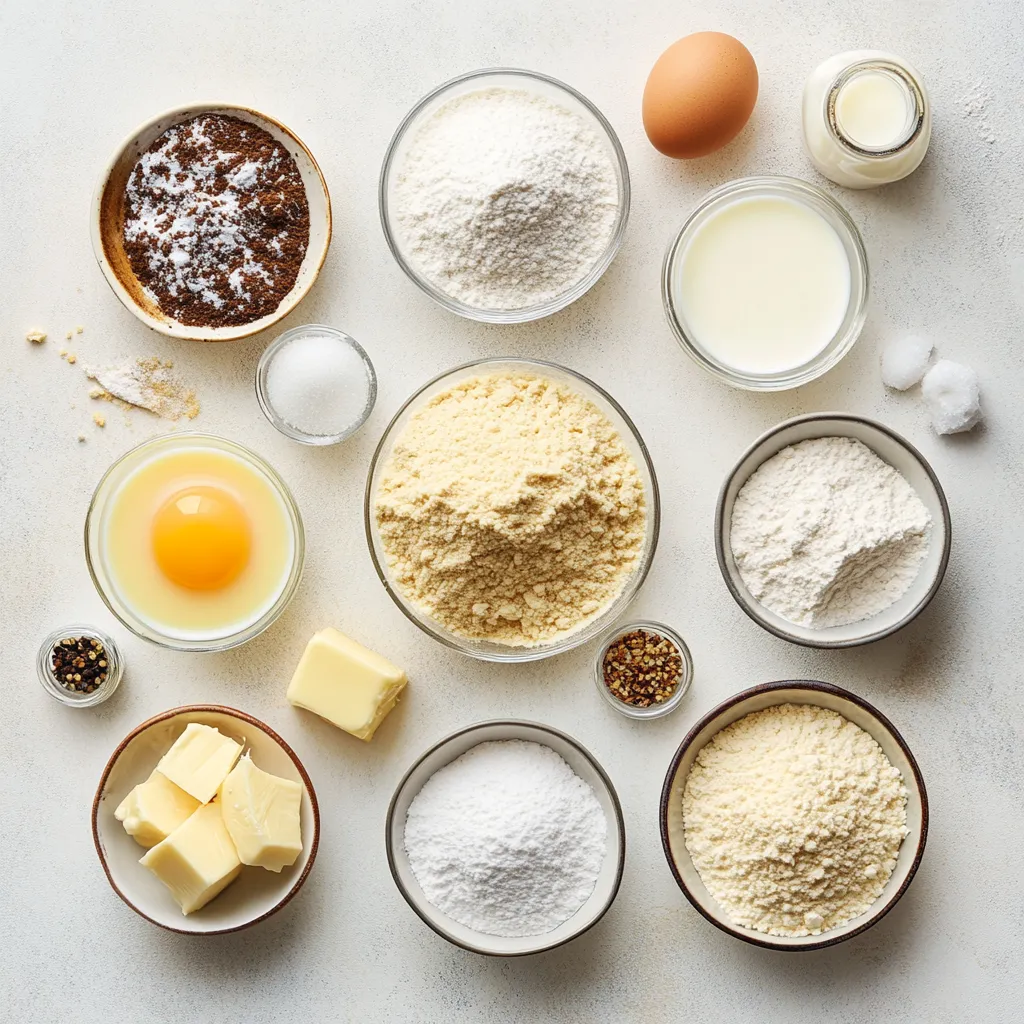
– 2 cups all-purpose flour
– 1/4 cup granulated sugar
– 1 tablespoon baking powder
– 1/2 teaspoon baking soda
– 1/2 teaspoon salt
– 1/2 teaspoon ground nutmeg
– 1 cup buttermilk
– 1 large egg
– 2 tablespoons unsalted butter, melted
– Vegetable oil (for frying)
– 1 cup powdered sugar (for glaze)
– 2 tablespoons milk (for glaze)
– 1 teaspoon vanilla extract (for glaze)
Main Ingredients for Beignets
The primary ingredients in these glazed buttermilk beignets consist of basic pantry staples that contribute to their rich flavor and fluffy texture. All-purpose flour serves as the foundation, providing structure and substance to the pastries. Granulated sugar offers sweetness, while baking powder and baking soda work together to help the beignets rise and achieve that desired fluffy consistency. The addition of nutmeg brings an aromatic touch that enhances the overall flavor profile.
Ingredients for Glaze
The glaze comprises powdered sugar, milk, and vanilla extract, creating a sweet and creamy topping that elevates the beignets. The powdered sugar ensures a smooth texture, while the milk thins the mixture to a delightful consistency for dipping. Vanilla extract adds an aromatic sweetness that melds beautifully with the beignets’ flavors.
Optional Presentation Enhancements
While the glazed buttermilk beignets are delicious on their own, a little creativity can enhance their presentation. Consider arranging them on a decorative platter, creating an appealing spread. For extra flair, sprinkle with edible flowers or a dusting of additional powdered sugar. Serving them alongside fresh fruit or a side of chocolate sauce for dipping can also impress guests and add layers of flavor to each bite.
Preparation Steps
Mixing Dry Ingredients
The first step in preparing your glazed buttermilk beignets is mixing the dry ingredients. In a large mixing bowl, combine the all-purpose flour, granulated sugar, baking powder, baking soda, salt, and ground nutmeg. Whisking these ingredients together well ensures that each dry element is evenly distributed throughout the mixture. This step is crucial for achieving a consistent texture and flavor in the final dough.
Preparing the Wet Ingredients
In a separate bowl, whisk together the wet ingredients: buttermilk, egg, and melted unsalted butter. This mixture must be smooth and homogenous, as it will provide moisture and richness to the dough. Properly incorporating the wet ingredients ensures that they blend seamlessly into the dry mixture, resulting in a well-rounded beignet batter.
Combining Wet and Dry Mixtures
Once the wet ingredients are ready, it’s time to combine them with the dry mixture. Gradually incorporate the wet ingredients into the dry mixture, stirring gently with a spatula or wooden spoon. Avoid overmixing; a few lumps are perfectly fine and can actually contribute to the beignets’ texture. The goal is to form a soft, slightly sticky dough that will ultimately yield light and fluffy pastries.
Dough Handling Techniques
Flour Your Work Surface
After preparing the dough and allowing it to rest slightly, it’s time for the next steps in crafting your beignets. Start by lightly flouring your work surface to prevent the dough from sticking. This is essential not just for a clean preparation but for maintaining the integrity of the dough as you roll it out.
Rolling Out the Dough
Gently turn out the dough onto the floured surface and roll it out to a thickness of about 1/2 inch. Ensure that the dough remains uniform in thickness throughout, as this will help the beignets cook evenly during frying. Using a rolling pin lightly dusted with flour can help in achieving a perfect roll without sticking.
Cutting Into Shapes
Using a sharp knife or a biscuit cutter, cut the dough into squares or circles based on your shape preference. The size and shape of your beignets can be adjusted according to your liking, but keep in mind that uniformity will help with even frying. After cutting, the pieces should be ready for frying, where they will puff up and transform into the glorious treats we all adore.
Frying the Beignets
Selecting the Right Oil
For frying, it’s important to choose the right type of oil. Vegetable oil is recommended for frying these beignets, as it has a high smoke point and neutral flavor, allowing the beignets to shine without being overwhelmed by the oil’s taste.
Achieving the Perfect Temperature
Heat the vegetable oil in a deep pot or fryer to 350°F (175°C). Monitoring the temperature is crucial, as it directly affects the cooking process. If the oil is too hot, the outside of the beignets will brown too quickly, leaving the inside uncooked. Conversely, oil that is not hot enough will result in greasy beignets that absorb too much oil.
Frying Techniques for Optimal Results
When the oil is ready, carefully drop in the beignet pieces, frying them in small batches to avoid overcrowding. This is key to allowing each beignet to cook evenly and achieve that desirable golden-brown color. Fry each piece for about 2-3 minutes on each side until puffed and beautifully golden brown. After frying, it’s essential to transfer the beignets to a plate lined with paper towels to absorb any excess oil, creating a perfect balance between crispness and moisture.
Preparing the Glaze
Mixing Glaze Ingredients
To prepare the glaze for your buttermilk beignets, begin by gathering the essential ingredients: powdered sugar, milk, and vanilla extract. In a medium-sized bowl, sift the powdered sugar to eliminate any lumps, ensuring a smooth glaze. Gradually add the milk and vanilla extract to the bowl, whisking continuously until the mixture reaches a uniform consistency. This helps to incorporate the ingredients evenly, making for a delightful finish on your beignets.
Achieving the Right Consistency
When mixing the glaze, aim for a thick yet pourable consistency. If the glaze appears too thick and doesn’t readily flow off the whisk, add a little more milk, one teaspoon at a time, until you achieve the desired texture. Conversely, if it is too thin, gently stir in additional powdered sugar until the right thickness is obtained. A well-balanced glaze should coat the back of a spoon without immediately dripping off.
Tips for a Smooth Glaze
To ensure a smooth glaze, it’s vital to whisk thoroughly, removing any lumps from the powdered sugar. If you’re looking for a particularly glossy finish, consider adding a few drops of corn syrup to the glaze mixture; this can enhance shine and mouthfeel. Also, using room temperature milk can help the glaze blend more smoothly, incorporating the ingredients more efficiently than cold milk would.
Glazing the Beignets
Timing the Glazing Process
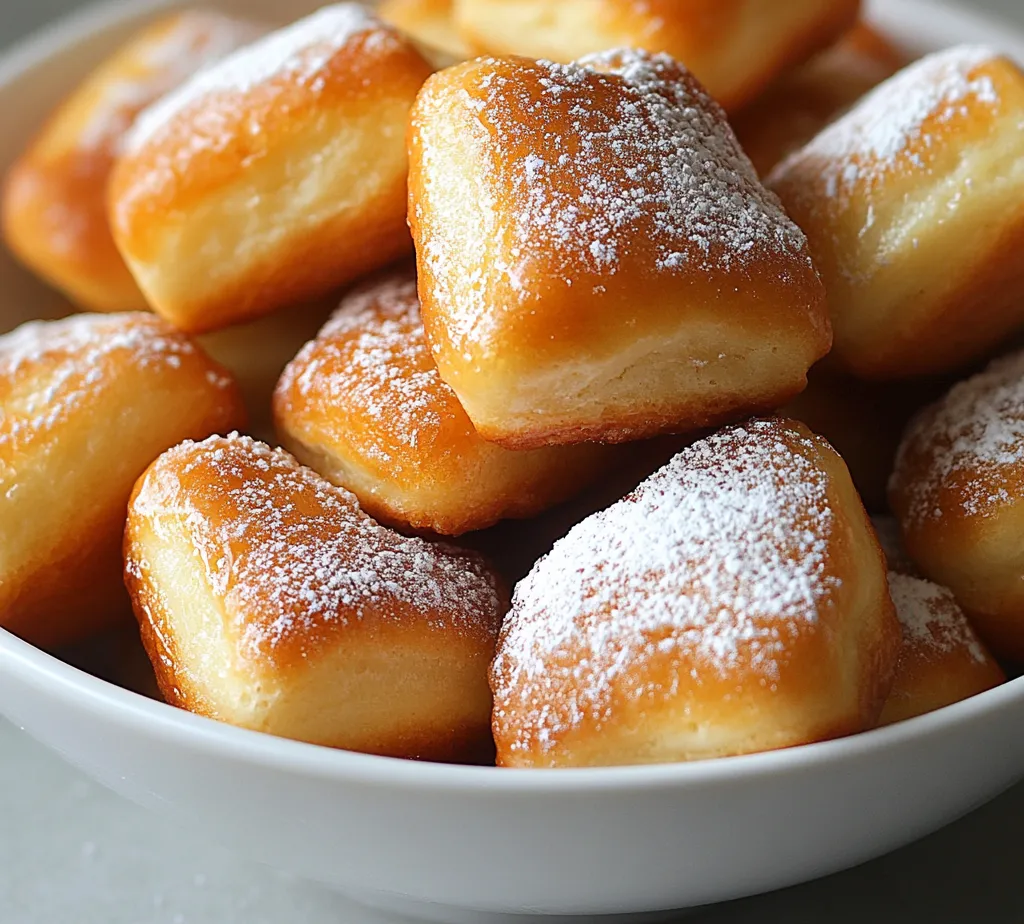
Timing is crucial when glazing your beignets to ensure that they absorb the flavor of the glaze without becoming soggy. After frying, allow the beignets to cool for about 5 minutes. This gives them just enough time to develop a slight crust while still being warm. Glazing them at this stage creates a beautiful sticky coat that will adhere properly.
Ensuring an Even Coating
To achieve an even coating, dip each warm beignet into the glaze, ensuring the entire surface is submerged briefly before lifting it out. You can tilt the bowl to allow the glaze to pool, making it easier to coat larger surfaces. For an extra layer of flavor, you can also roll the beignet in the glaze rather than dipping it, allowing for more coverage on the sides.
Allowing the Glaze to Set
Once glazed, it is essential to allow the beignets to sit on a wire rack or a plate lined with parchment paper for about 10-15 minutes. This resting period lets the glaze set, creating a slight crust that enhances both the texture and visual appeal of the beignets. For an additional decorative touch, you may opt to dust the glazed beignets with more powdered sugar once the initial glaze has set.
Serving Suggestions
Traditional Serving Ideas
Glazed buttermilk beignets are best when served warm and freshly glazed. Typically enjoyed as a standalone treat, they can be served alongside a steaming cup of coffee or café au lait for a classic breakfast experience. In some regions, they are enjoyed as a sweet finish to a hearty meal.
Creative Presentation Tips
For a more festive presentation, arrange the beignets on a decorative platter with a sprinkle of edible flowers. You can also elevate their visual appeal by incorporating fresh fruit like strawberries, raspberries, or citrus slices around them. Adding a rich chocolate sauce or a flavored fruit compote for dipping turns them into an interactive dessert option.
Pairing with Dipping Sauces
Dipping sauces can enhance the flavor profile of your beignets. Consider serving alongside options like chocolate sauce, caramel sauce, or a fruity sauce made with pureed berries. These contrasting flavors can make each bite even more enjoyable and cater to different taste preferences.
Taste Profile
Flavor Insights from Ingredients
Buttermilk lends a slight tanginess to the beignets, balancing the sweetness from the granulated and powdered sugar. The addition of ground nutmeg contributes a warm, spicy flavor that beautifully rounds out the overall taste, creating a delicious harmony that elevates this simple treat.
Texture Breakdown: Crispy vs. Soft
One of the key delights of buttermilk beignets is their textural contrast. The exterior should be crisp, achieved by frying in hot oil, while the interior remains soft and fluffy. This combination creates a unique eating experience, where the crunch gives way to the tender dough with each bite, making them utterly irresistible.
Balancing Sweetness and Flavor
With the glaze adding sweetness, it is essential to strike the right balance in the overall flavor profile. The sweetness from the glaze is well-complemented by the subtle savory notes of the buttermilk and the warmth of nutmeg, making each beignet a sweet, but not overwhelming, indulgence.
Storage Recommendations
Keeping Beignets Fresh
To store your glazed buttermilk beignets, place them in a single layer in an airtight container. Avoid stacking them directly on top of each other, as this may cause them to lose their crispiness. The beignets are best enjoyed the same day they are made due to their delightful texture.
Reheating Tips for Best Texture
If you find yourself with leftover beignets, reheating them can be a challenge since you want to retain the crispiness. Preheat your oven to 350°F (175°C) and arrange the beignets in a single layer on a baking sheet. Heat them for about 5-7 minutes, or until warmed through, which will help revive some of the original texture.
How Long to Store
Glazed buttermilk beignets can be stored in the refrigerator for up to two days. However, for the best quality, it is recommended to consume them fresh. Freezing is an option as well; unglazed beignets can be frozen for up to a month. If frozen, allow them to thaw and reheat before glazing.
Conclusion
These glazed buttermilk beignets deliver a delightful harmony of textures, boasting a crispy exterior and a soft, airy interior. The sweet glaze complements their flavor profile beautifully, making them a perfect treat for various occasions. With a simple preparation and cooking time of around 40 minutes, they provide a delicious indulgence that anyone can enjoy fresh or reheated.
Glazed Buttermilk Beignets Recipe: Irresistibly Sweet Delights
Ingredients
- 2 cups all-purpose flour
- ¼ cup granulated sugar
- 1 tablespoon baking powder
- ½ teaspoon baking soda
- ½ teaspoon salt
- ½ teaspoon ground nutmeg
- 1 cup buttermilk
- 1 large egg
- 2 tablespoons unsalted butter melted
- Vegetable oil for frying
- 1 cup powdered sugar for glaze
- 2 tablespoons milk for glaze
- 1 teaspoon vanilla extract for glaze
Instructions
- In a large mixing bowl, whisk together the flour, sugar, baking powder, baking soda, salt, and nutmeg until well blended.
- In a separate bowl, whisk together the buttermilk, egg, and melted butter until smooth.
- Gradually incorporate the wet ingredients into the dry mixture, stirring gently until a soft dough forms.
- Lightly flour your work surface and roll out the dough to about ½ inch thick.
- Cut the dough into squares or circles using a knife or biscuit cutter.
- Heat vegetable oil in a deep pot to 350°F (175°C) and fry the beignet pieces in small batches until golden brown.
- Transfer the fried beignets to a plate lined with paper towels to absorb excess oil.
- For the glaze, whisk together powdered sugar, milk, and vanilla extract until smooth.
- Dip each warm beignet into the glaze and place on a wire rack to set.
- Serve warm, optionally dusted with additional powdered sugar.