

Introduction
Exploring the comforting realm of desserts often leads us to the beloved rice pudding, a timeless treat that has graced tables around the world. This article delves into a luscious creamy rice pudding recipe that incorporates sweetened condensed milk, elevating its sweetness and creaminess to new heights. Rice pudding is not just a dessert; it’s a cozy embrace after a long day, evoking childhood memories of homemade meals. The combination of tender rice, rich milk, and delectable flavorings creates a dish that warms not only the belly but the heart as well.
This rice pudding recipe is incredibly versatile, making it a delightful option for both casual family dinners and festive occasions. Whether served warm on a chilly evening or chilled for a summer gathering, its creamy, sweet profile is sure to please a variety of palates. The addition of raisins and a sprinkle of cinnamon offers a delightful texture and flavor contrast, while the optional fresh fruits or nuts add an elegant touch to the presentation.
Whether you are a seasoned cook or a beginner in the kitchen, making this rice pudding is simple and rewarding. By following this recipe, you’ll create a dish that proudly showcases the charm of comfort food while offering a deliciously sweet treat to enjoy any time of the year.
Recipe Overview
– Total Time: 40 minutes
– Prep Time: 10 minutes
– Cook Time: 30 minutes
– Yield/Servings: 4-6 servings
– Difficulty: Not specified in the recipe
Ingredients
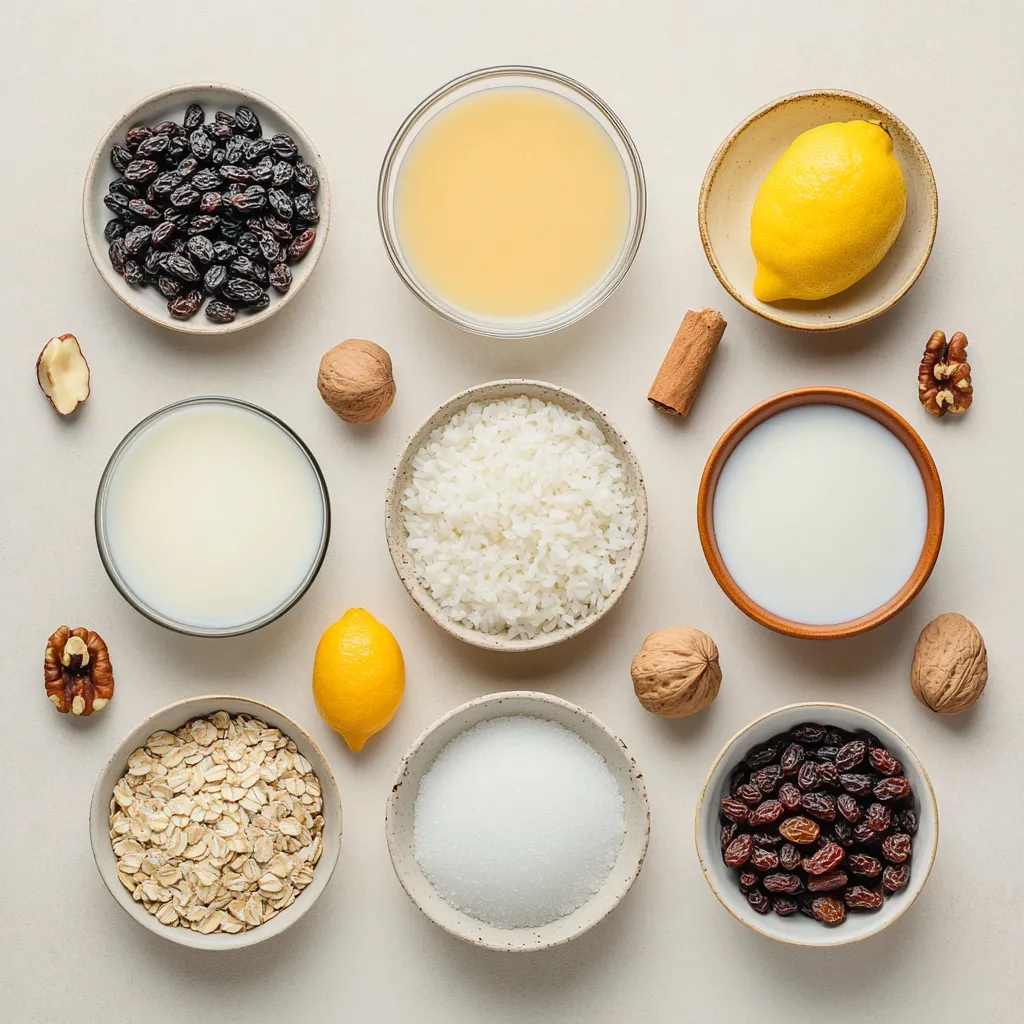
– 1 cup Arborio rice (or any short-grain rice)
– 4 cups whole milk
– 1 cup sweetened condensed milk
– 1/2 cup granulated sugar
– 1 teaspoon pure vanilla extract
– 1/4 teaspoon salt
– 1 teaspoon ground cinnamon (plus extra for garnish)
– Zest of 1 lemon
– 1/2 cup raisins (optional)
– Fresh fruit or chopped nuts for topping (optional)
Instructions
1. Rinse the Rice: Begin by thoroughly rinsing the Arborio rice under cold running water until the water appears clear. This step is crucial as it removes excess starch, which is key to achieving that creamy texture.
2. Cook the Rice: In a medium-sized saucepan, combine the rinsed rice with 4 cups of whole milk and a pinch of salt. Heat the mixture over medium heat, stirring frequently to prevent the rice from sticking to the bottom of the pan. Bring to a gentle boil.
3. Simmer: Once the mixture reaches a boil, reduce the heat to low and cover the saucepan. Allow it to simmer for approximately 20-25 minutes, stirring occasionally. The rice should become tender, and most of the milk will be absorbed during this time.
4. Add Sweetness: After simmering, stir in the sweetened condensed milk, granulated sugar, vanilla extract, ground cinnamon, lemon zest, and raisins (if using). Mix everything together thoroughly and continue to simmer for an additional 10-15 minutes. This will help the pudding thicken and develop rich flavors.
5. Check Consistency: If you find the pudding too thick for your liking, feel free to add a splash of additional milk until you achieve your desired creaminess. Alternatively, if you prefer a thicker pudding, allow it to cook for a few more minutes.
6. Cool and Serve: Once the pudding has reached the desired consistency, remove it from the heat and let it cool slightly. You can serve it warm or chilled in individual bowls. For a finishing touch, sprinkle a little extra ground cinnamon on top and add your choice of fresh fruit or chopped nuts for added flavor and texture.
7. Enjoy: Dive into the delightful, creamy goodness of your homemade rice pudding and relish each spoonful!
Rinsing the Rice
Importance of Rinsing
Rinsing the rice is a crucial step that not only cleans the grains but also removes excess starch, which can affect the texture of the pudding. When rice is too starchy, it can become gummy and clump together, detracting from the creamy consistency that we aim to achieve in this luscious rice pudding recipe. By rinsing the rice until the water runs clear, you ensure that the grains will behave cooperatively, leading to a delightful dish with the perfect mouthfeel.
How to Rinse Rice Properly
Using a fine mesh strainer, rinse the Arborio rice under cold running water until the water runs clear, ensuring that it is free of impurities. This process usually takes a few minutes, but it is well worth it. After rinsing, let the rice drain for a moment to remove any excess water before proceeding with the cooking steps. This preparation is important as it sets the stage for a beautifully creamy pudding that will impress anyone lucky enough to enjoy it.
Cooking the Rice
Ingredients Needed for Cooking
To cook the rice properly, you will need the rinsed Arborio rice, whole milk, and a pinch of salt. Each ingredient serves a vital role in creating the rice pudding’s ultimate taste and texture—Arborio rice provides the necessary creaminess, whole milk increases richness, and salt balances the sweetness that the pudding will acquire later.
Cooking Method
Combine the rinsed rice with the whole milk in a medium-sized saucepan and gradually heat the mixture, stirring frequently to prevent it from sticking. The goal is to allow the rice to absorb the milk while reaching a gentle boil. Stirring is essential here, as it not only prevents sticking but also allows the rice to cook evenly. Keeping the heat at medium ensures that the rice cooks gently, promoting a steady absorption of the milk without scorching or burning.
Simmering the Mixture
Adjusting the Temperature
Once the mixture reaches a gentle boil, it is essential to reduce the heat to low and cover the saucepan to allow the rice to simmer. Covering the pot traps steam and moisture inside, which is crucial for cooking the rice thoroughly and evenly. This technique softens the rice while allowing it to absorb the creamy mixture, resulting in the rich texture characteristic of traditional rice pudding.
Timing the Simmer
Allow the mixture to simmer for about 20-25 minutes, stirring occasionally, until the rice is tender and most of the milk is absorbed. During this time, the flavors begin to meld beautifully, creating a fragrant aroma that is hard to resist. Monitor the rice closely, and don’t hesitate to stir more frequently near the end of the cooking time to achieve that perfect consistency—this guarantees that every grain has absorbed the creamy goodness of the milk while ensuring that nothing sticks to the bottom of your saucepan.
Sweetening the Pudding
Incorporating Sweetened Condensed Milk
After simmering, blend in the sweetened condensed milk along with granulated sugar for an extra layer of sweetness. The sweetened condensed milk thickens the pudding and infuses it with an irresistible sugary warmth that elevates it beyond traditional rice pudding recipes. It’s important to mix these sweeteners thoroughly, as they create a flavorful base that enhances the other ingredients, bringing the entire dish together beautifully.

Adding Flavorings
To elevate the flavor profile of the luscious rice pudding, the combination of ground cinnamon, pure vanilla extract, and lemon zest plays a crucial role. Ground cinnamon not only adds warmth but also pairs beautifully with the creamy texture of the pudding. Vanilla extract contributes an aromatic quality, enhancing the overall sweetness and bringing out the flavors of the other ingredients. Finally, lemon zest offers a refreshing zing, creating a delightful contrast that cuts through the richness.
Utilizing Optional Ingredients
Adding Raisins
Incorporating raisins into your rice pudding introduces a delightful burst of sweetness and a chewy texture, enhancing the overall eating experience. When adding raisins, it’s best to stir them in during the mixing stage after adding the sweetened condensed milk and other ingredients. This ensures they get plump and infused with the creamy mixture as the pudding simmers, making each spoonful a little surprise!
Toppings for Variation
If you’re looking to add some variety and dimension to your rice pudding, consider topping it with fresh fruits or chopped nuts. Berries provide a juicy, tart contrast, while sliced bananas or apples can lend a sweet crunch. Nuts like almonds, pistachios, or walnuts add significant texture with their slight crunch and flavor contrast. Toppings can also elevate the presentation, making your pudding not just a treat for the palate but also a feast for the eyes.
Checking Consistency
Desired Creaminess Level
Achieving the perfect consistency in rice pudding is largely subjective and may vary from person to person. After the pudding has cooked thoroughly, take a moment to taste it. If you prefer a more luscious and creamy dessert, simply add a splash of whole milk. This will make the pudding more fluid and indulgent. Conversely, for those who enjoy a thicker pudding, allow it to simmer for an extra few minutes, which will help absorb more liquid and create that desired firmness.
Final Texture Considerations
A successfully made rice pudding should strike the right balance between creaminess and body. It should be rich enough to hold its shape when served but still luscious enough to offer that smooth mouthfeel that is characteristic of a truly indulgent dessert. Aim for a semi-thick consistency that coats a spoon without sliding off completely.
Cooling and Serving the Pudding
Cooling Process
Once the rice pudding reaches your desired consistency, it’s essential to let it cool slightly before serving. This stopping point allows the flavors to meld together and the steam to subside. Cooling will also help maintain the texture, preventing it from becoming too watery upon service. If you plan to serve it chilled, let it sit at room temperature for about 10 minutes before transferring it to the refrigerator.
Serving Suggestions
The rice pudding can be served warm or cold, depending on personal preference. Use individual bowls to present the pudding in portions, allowing for easy serving at gatherings. To enhance its aesthetic appeal, sprinkle a light dusting of ground cinnamon across the top and consider adding garnishes like fresh fruit or chopped nuts. This not only adds visual interest but also introduces extra flavor and texture.
Presentation Tips
Elegant Serving Ideas
For a more sophisticated presentation, consider using clear glass bowls or dessert cups. This way, the creamy texture and the delightful mingling of flavors can be appreciated visually before the first spoonful is taken. Layering the rice pudding with garnishes can also create an enticing visual.
Garnishing for Visual Appeal
Adding a sprig of mint or a slice of lemon on top can significantly enhance the dessert’s appeal. The vibrant green of the mint and the bright yellow of lemon can create an inviting and fresh look, suggesting a lightness to the otherwise rich dessert. These small touches can elevate the dish, making it suitable for both casual and formal occasions.
Storage and Reheating
Storing Leftover Rice Pudding
Any leftovers of your creamy rice pudding should be stored in airtight containers placed in the refrigerator. This will help preserve freshness and prevent the pudding from drying out. It’s generally best consumed within 3-4 days for optimal flavor and texture.
Reheating Instructions
When you’re ready to enjoy your leftover rice pudding, gently reheat it on the stove over low heat. Stir regularly to avoid scorching the bottom of the pan. Adding a splash of milk during reheating can revive the creamy texture and prevent the pudding from becoming too thick or clumpy, helping to restore its original luxurious consistency.
Nutrition Information
Caloric Content
While specific nutritional information will depend on exact ingredient quantities and any variations, it’s generally estimated that each serving of rice pudding contains around 250-300 calories. This can fluctuate based on whether you’ve included additional toppings or modifications.
Nutritional Benefits
Rice pudding primarily provides carbohydrates through the rice and milk. Such carbohydrates offer energy, making it a fulfilling dessert choice. If one opts for reduced sugar condensed milk or makes other tweaks, the pudding can be adjusted for a healthier profile, catering to dietary needs while still remaining delicious.
Conclusion
This creamy rice pudding embodies a delightful balance of rich flavors and smooth texture, making it a comforting dessert option for any occasion. With a preparation time of just 40 minutes, it’s an easily achievable indulgence that can be enjoyed warm or chilled. The harmonious blend of sweetened condensed milk, aromatic spices, and optional garnishes creates an inviting treat perfect for sharing and savoring.

Luscious Creamy Rice Pudding with Sweetened Condensed Milk
Ingredients
- 1 cup Arborio rice
- 4 cups whole milk
- 1 cup sweetened condensed milk
- ½ cup granulated sugar
- 1 teaspoon pure vanilla extract
- ¼ teaspoon salt
- 1 teaspoon ground cinnamon
- 1 piece lemon zest
- ½ cup raisins
- fresh fruit or chopped nuts for topping
Instructions
- Rinse the Arborio rice under cold water until clear.
- Combine rinsed rice, whole milk, and salt in a saucepan over medium heat.
- Bring to a gentle boil, stirring frequently.
- Reduce heat, cover, and simmer for 20-25 minutes, stirring occasionally.
- Stir in sweetened condensed milk, sugar, vanilla, cinnamon, lemon zest, and raisins.
- Simmer for an additional 10-15 minutes to thicken.
- Adjust consistency with more milk if too thick.
- Remove from heat and cool slightly before serving.
- Serve warm or chilled, garnished with cinnamon and toppings.